In today’s fast-paced world, urban mobility is evolving rapidly to meet the needs of modern commuters. Traditional bus shelters, while functional, are increasingly being replaced by smart bus shelters, which incorporate cutting-edge technology to enhance the public transportation experience. These smart shelters integrate various technological features, such as LED displays, solar power, real-time bus information, and security systems, all designed to improve convenience, safety, and sustainability for passengers.
Smart bus shelters represent a significant leap forward in urban infrastructure, blending modern design with technological innovation to provide a more efficient and user-friendly experience for commuters. In this article, we’ll explore how smart bus shelters are transforming public transport, and why they are essential for the cities of tomorrow.
1. The Evolution of Bus Shelters
Traditional bus shelters have always served as a basic place for commuters to wait for buses. They offer limited protection from the elements, typically a roof and walls, and perhaps a bench or seating area. However, as cities become more congested and commuters increasingly demand more from public transportation, the functionality of bus shelters has been expanded significantly.
In the past decade, urban planners and designers have begun incorporating technology into public transportation infrastructure. With the integration of smart technologies, bus shelters are now transforming into multi-functional hubs that not only provide shelter but also enhance the overall commuting experience.
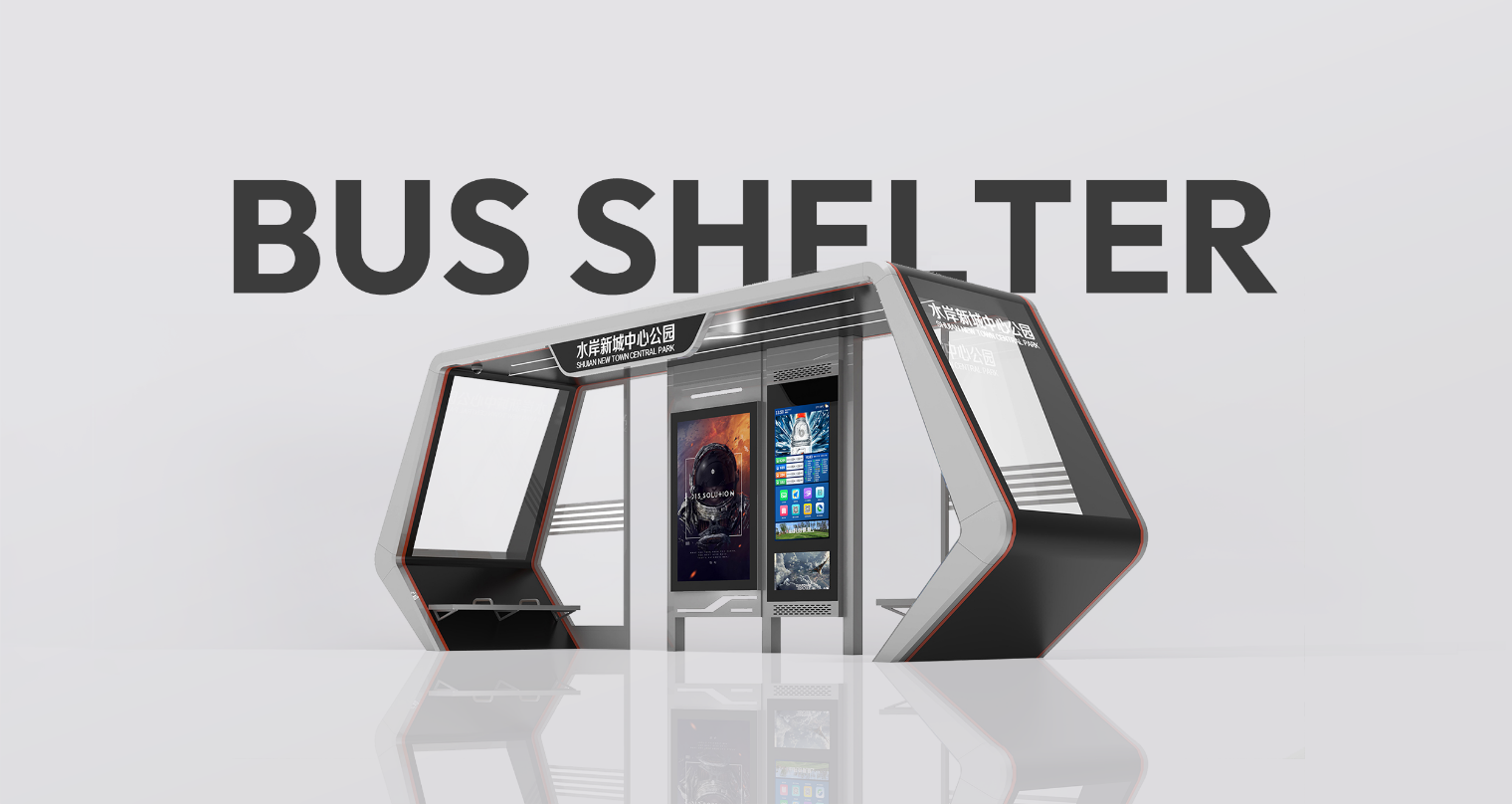
2. Key Features of Smart Bus Shelters
a. LED Displays and Digital Signage
One of the most significant advancements in smart bus shelters is the integration of LED displays. These displays serve multiple purposes, the most important of which is providing real-time bus arrival information. Commuters can instantly view when the next bus is due, reducing the uncertainty and frustration of waiting for transportation.
Beyond just arrival times, these displays can also feature information about route changes, traffic delays, upcoming events, and even local news. By incorporating these real-time updates, LED signage helps improve the passenger experience by keeping them informed at all times.
Additionally, the bright and clear visuals of LED screens enhance visibility, ensuring that the information is easy to read, even in low-light conditions. This contributes to improved accessibility and user-friendliness for people of all ages and abilities.
b. Solar-Powered Technology
Energy efficiency and sustainability are key concerns for modern cities. Smart bus shelters are addressing these issues with the use of solar power. Solar panels integrated into the shelter’s design help power the various technological systems, including the LED displays, lighting, Wi-Fi, and security systems, reducing reliance on grid electricity and making these structures more environmentally friendly.
The use of solar energy ensures that the shelters can remain operational regardless of power outages or other grid issues, providing an uninterrupted service for commuters. This sustainable energy solution also reduces the overall carbon footprint of urban transport systems, contributing to cleaner, greener cities.
c. Real-Time Public Transport Information
The heart of a smart bus shelter is its ability to provide real-time information to passengers. Gone are the days of waiting at a bus stop with no idea of when the next bus will arrive. With smart bus shelters, passengers can check the current location of buses, the estimated time of arrival, and even potential delays.
This real-time data is made possible by integrating GPS tracking and IoT technology with the public transportation network. These systems allow bus operators to track the position of each bus in real time and communicate this information to the shelters.
Furthermore, the shelters can display this information in an easy-to-understand format, often in the form of countdown timers, which helps passengers make better decisions about whether to wait for the next bus or look for alternative transportation options. This feature helps improve the overall efficiency of the public transport system and reduces waiting times for passengers.
d. Integrated Wi-Fi and Charging Stations
In today’s connected world, access to the internet has become almost as essential as access to transportation. Many smart bus shelters are equipped with Wi-Fi hotspots, allowing passengers to stay connected while they wait for their buses. Whether it’s checking emails, browsing the web, or staying in touch with family and friends, Wi-Fi access helps make the waiting time more productive and enjoyable.
In addition to Wi-Fi, many smart shelters offer charging stations for electronic devices like smartphones and tablets. With so many people relying on their devices for navigation, communication, and entertainment, having access to a charging point in a public space adds significant convenience.
e. Enhanced Security Features
Safety is a critical concern for public spaces, and bus shelters are no exception. Smart bus shelters are often equipped with advanced security systems such as CCTV cameras, motion sensors, and emergency call buttons. These features enhance passenger security by providing real-time surveillance and allowing passengers to report incidents or emergencies quickly.
CCTV cameras can help deter criminal activity and provide law enforcement with valuable evidence in the event of an incident. Motion sensors ensure that the shelters are lit when people are nearby, providing a safer environment, especially during the night. Emergency call buttons add an extra layer of security, allowing passengers to contact authorities if they feel unsafe or encounter an emergency situation.
f. Interactive Touch Screens and Information Kiosks
Some smart bus shelters are equipped with interactive touch screens that offer users the ability to access detailed information about local services, points of interest, and public transport routes. These kiosks can help passengers plan their journeys, learn about local amenities, or find out about upcoming events in the area.
This interactive functionality allows passengers to engage more directly with their surroundings, making public spaces not only more informative but also more interactive and engaging. For tourists or newcomers to a city, these kiosks are particularly valuable, providing a one-stop-shop for all the information they need about the local area.
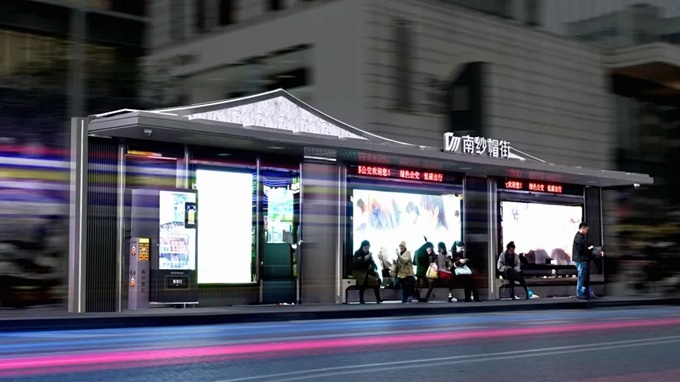
3. The Benefits of Smart Bus Shelters
The integration of these advanced technologies brings several benefits, not just for commuters but for cities and transport providers as well.
a. Improved Passenger Experience
The most direct benefit of smart bus shelters is the improvement in the passenger experience. Commuters can rely on up-to-date, accurate information, which reduces the uncertainty of waiting for a bus. The availability of Wi-Fi, charging stations, and interactive information kiosks adds convenience, allowing passengers to pass the time more productively.
By making public transportation more accessible, efficient, and enjoyable, smart bus shelters encourage more people to use public transport, helping reduce road congestion and environmental impact.
b. Increased Efficiency of Public Transportation Systems
By providing real-time data on bus arrivals, delays, and service changes, smart bus shelters help optimize public transport operations. Passengers are less likely to miss their buses and can plan their journeys more effectively. Bus operators can also monitor the performance of their fleets in real-time, which can help them manage routes and schedules more efficiently.
c. Sustainability and Cost Savings
The use of solar energy in smart bus shelters contributes to a more sustainable urban infrastructure. By reducing dependence on traditional power sources, cities can lower their overall energy consumption and reduce costs in the long run. Furthermore, solar-powered systems require less maintenance and offer reliable performance, even in remote or off-grid locations.
d. Enhanced Public Safety
The integration of security features such as CCTV cameras and emergency call buttons helps create a safer environment for passengers. The presence of security systems can deter criminal activity and provide peace of mind to commuters. Additionally, in case of an emergency, passengers have the means to call for help quickly and efficiently.
4. The Future of Smart Bus Shelters
The technology behind smart bus shelters is continually evolving, and in the near future, we can expect even more advanced features to be incorporated into these structures. Some potential developments include the integration of artificial intelligence (AI) for predictive maintenance, contactless payment options, and environmental sensors to monitor air quality or weather conditions in real-time.
As cities strive to become smarter and more sustainable, the role of smart bus shelters in urban planning will only grow. These shelters will become more interconnected with other urban infrastructure, contributing to a seamless, efficient, and connected experience for all commuters.
Conclusion
Smart bus shelters are revolutionizing the way we experience public transportation. By incorporating real-time information, solar power, Wi-Fi, security features, and other advanced technologies, they enhance the efficiency, safety, and convenience of urban travel. As cities continue to embrace innovation, smart bus shelters will play a pivotal role in shaping the future of transportation, making commuting easier, more enjoyable, and more sustainable for everyone.
In the evolving world of urban mobility, smart bus shelters are just the beginning. They are part of a broader trend toward more connected, intelligent cities that prioritize the needs of their residents and improve quality of life for all.


