Urban transportation begins long before a vehicle arrives. It starts at the curb, at the waiting area, and at the first point where passengers interact with the transit system. That’s why bus shelter design directly influences comfort, trust, safety, and public perception. In modern cities, a shelter is no longer just a roof with a bench. It has become a small but critical part of public infrastructure, and companies like Shanghai Zemso Urban Furniture Technology Co., Ltd. are helping drive this transformation with smart bus shelter features becoming essential for the modern transit experience.
A well-designed shelter improves the daily experience of waiting, boarding, and navigating transit. It can protect passengers from weather, organize movement, increase visibility, and make public transport feel more dependable. When a smart bus shelter is integrated, the stop becomes more than a physical structure; it turns into an information point, wayfinding tool, and communication layer within the wider mobility network.
Key Takeaways
Bus shelter design influences comfort, safety, accessibility, and passenger confidence.
Smart bus shelter technology is increasingly part of daily passenger communication.
Good shelter design strengthens service perception and improves the waiting environment.
Sustainability, durability, maintenance, and technology should be planned together.
Effective shelters combine physical protection, real-time information, and future-ready infrastructure.
Why Bus Shelter Design Matters
The Bus Stop Is the First Point of Transit Experience
For many passengers, the shelter is the first visible face of public transportation. Before judging route frequency or travel time, riders judge the stop itself. If the space feels neglected, unclear, or unsafe, the entire system can appear less reliable.
This is where design becomes practical rather than decorative. A smart bus shelter communicates that the system is active, updated, and responsive rather than static or uncertain.
Better Shelter Design Improves Comfort and Trust
Passengers often spend several minutes at a stop, and those minutes strongly affect service perception. Protection from rain, wind, heat, and glare changes how you experience the system. Shelters that perform well physically make waiting more tolerable and predictable.
Trust grows when the environment is organized. Clear lighting, visible route identity, and smart features reduce doubt about whether you are in the right place or if service is running normally. A visible, orderly environment calms the waiting experience.
Good Design Can Influence Ridership Perception
Stop-level infrastructure is often underestimated, yet small improvements can change how transit is perceived. A well-designed shelter does not solve every service issue, but it removes friction. Comfortable, clear, and well-informed stops make passengers view the network as accessible and competent.
In cities where bus systems compete with private vehicles or ride-hailing, a modern and functional shelter sends a positive message about the service itself. Design, information, and visibility all influence passenger judgment.
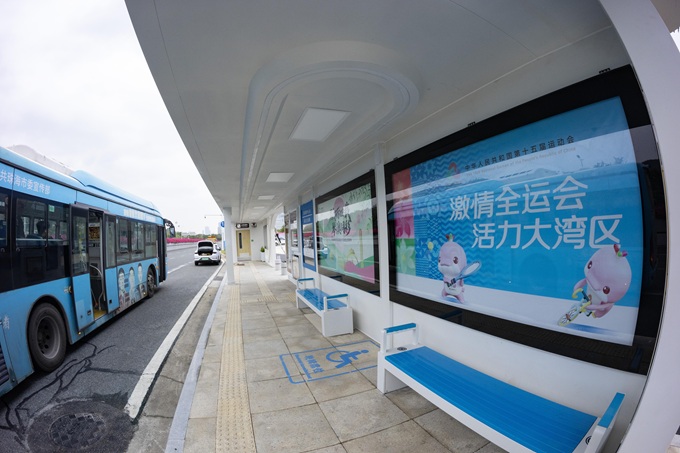
What Defines Modern Bus Shelter Design
Structural Protection and Weather Response
The basic duty of a shelter is protection. A strong roofline, side panels, drainage strategy, and durable materials determine real-world performance. Good design begins with weather response because comfort is impossible without environmental protection.
The structure should support long-term use, resisting wind, corrosion, vandalism, and wear. Smart bus shelters must also accommodate power routing, screen mounting, and maintenance without weakening the structure.
Seating, Lighting, and Accessibility
Seating should serve older adults, passengers with limited mobility, and those waiting longer periods. Lighting affects usability and perceived safety, particularly in early morning and late evening.
Accessibility matters: entry width, circulation space, visual contrast, and smart interface placement help you interpret information quickly and comfortably. A well-designed shelter allows smooth movement and easy access to information.
Visibility, Identity, and Streetscape Integration
A shelter should be recognizable from a distance and readable up close. Form, transparency, and orientation should fit the street while keeping the stop visible.
Smart bus shelter technology should integrate seamlessly. Proper integration supports both the shelter’s identity and the clarity of the passenger experience.
Smart Bus Shelter as a Functional Layer
Modern shelter design includes digital communication. A smart bus shelter provides route updates, arrival times, public notices, and other real-time information. It turns a passive waiting zone into an active communication point.
Screen sightlines, glare control, interface hierarchy, and maintenance access become part of design. Smart features are a practical layer of modern shelter design, not an afterthought.

Sustainability in Bus Shelter Design
Solar Energy and Low-Consumption Systems
Sustainability is central to modern infrastructure. Solar integration reduces reliance on grid power and supports flexible amenities like lighting, charging, and digital components. Performance depends on site orientation, climate, shading, and load. A smart shelter designed with energy efficiency becomes a more resilient part of the streetscape.
Durable Materials and Lifecycle Thinking
Sustainable design includes material longevity. Corrosion, fading, impact, and weather-resistant materials reduce maintenance and waste. Digital components require additional protection against heat, moisture, and public use. Shelters should support reliable smart features without shortening overall lifecycle.
Integrated Sustainable Design
A smart shelter should not be cluttered or fragile. Successful sustainability integrates physical design, energy, maintenance, and digital equipment. Fewer but well-integrated functions outperform overloaded structures. Combining durable form, efficient lighting, and smart technology creates both smarter and more sustainable shelters.
Core Elements of Modern Shelter Design
| Design Element | Traditional Focus | Modern Focus |
| Structure | Basic cover | Weather response & durability |
| Information | Static route panel | Smart features & real-time updates |
| Lighting | Minimal | Safety, visibility, night use |
| Energy | Grid-dependent | Solar & low-consumption |
| Accessibility | Basic compliance | Inclusive & clear info |
Creative Design Elements
Modular Design
Cities need flexible solutions. Downtown, school zones, suburban roads, and transit hubs require different responses. Modular shelters adapt size, seating, enclosure, and smart technology without losing visual consistency.
Human-Centered Features
Shelters should support passenger behaviors: sitting, leaning, checking routes, scanning streets. Placement matters. Seating should not block circulation, and smart interfaces should remain easy to view. Small decisions affect whether the stop feels intuitive or frustrating.
Integrated Smart Functions
Shelters now integrate emergency notices, environmental messaging, and connected urban services. Smart features support clarity and movement without competing for attention. Proper integration makes the structure legible and useful.
Design Guidelines
Plan Around Passenger Flow: Layout should reflect boarding, queueing, and peak volume.
Prioritize Safety, Accessibility, Readability: Lighting, transparency, seating, and information hierarchy should be designed from the start.
Coordinate Ownership, Maintenance, and Technology: Early planning for wiring, mounting, and smart feature integration prevents long-term issues.
Conclusion
Bus shelter design shapes the first experience of urban transportation. Strong shelters improve comfort, readability, accessibility, and confidence. Smart bus shelter technology transforms the structure into an active communication point. Cities that combine durable architecture, sustainable planning, and integrated smart features create clearer, safer, and more efficient waiting environments. For coordinated shelter and digital solutions, ZEMSO Group, Shanghai provide professional guidance and advanced smart urban furniture.


