Cities are increasingly embracing smart urban furniture to improve public spaces, enhance commuter experiences, and promote sustainable living. Smart urban furniture integrates technology, design, and functionality, transforming ordinary public areas into interactive, efficient, and eco-friendly environments. Innovations such as Bus Shelters, Solar Benches, Bus Stop Digital Signage, and Modular Container Houses are reshaping the way citizens interact with urban infrastructure. Smart urban furniture solution providers like ZEMSO Group are leading this transformation, offering durable, versatile, and technologically advanced solutions that support modern, connected, and sustainable cities.
The Evolution of Urban Furniture
From Traditional Facilities to Smart Urban Solutions
Public seating and shelters have historically been functional but limited in scope, providing only basic comfort and protection from weather. Over time, urban planners and designers realized the potential for integrating technology into these everyday amenities. Today, Smart urban furniture goes beyond traditional utility, offering real-time information, connectivity, and multifunctional features.
Upgrading Functions: From Single Service to Multi-Dimensional Experiences
Modern urban furniture does more than just serve as a place to sit or wait. Bus Shelters now incorporate Bus Stop Digital Signage, providing passengers with live transit updates, route information, and even safety alerts. Solar Benches offer energy-efficient charging for mobile devices, while Modular Container Houses provide flexible solutions for temporary offices, emergency housing, and pop-up community spaces. These innovations create multi-dimensional experiences that enhance city life.
Design Philosophy: Comfort, Convenience, and Sustainability
Smart urban furniture prioritizes ergonomics and comfort while incorporating sustainable design principles. Materials are selected for durability and environmental impact, while layouts ensure accessibility for all users, including elderly and disabled individuals. By balancing comfort, convenience, and sustainability, modern urban furniture strengthens the bond between citizens and their cities.
Core Smart Urban Furniture Innovations
Bus Shelters
Real-Time Information through Bus Stop Digital Signage
Bus Shelters have evolved into interactive hubs. By integrating Bus Stop Digital Signage, commuters receive accurate and timely information about arrivals, delays, and route changes. These digital displays improve the reliability of public transit, reduce waiting anxiety, and create a more connected, user-friendly experience for passengers throughout the city.
Energy Efficiency and Eco-Friendly Materials
Many modern Bus Shelters are designed with energy-efficient lighting powered by solar panels and sustainable construction materials. This reduces the environmental footprint while ensuring safe, well-lit waiting areas, demonstrating a city’s commitment to green and sustainable infrastructure.
Enhancing Urban Transit Experience
Bus Shelters now serve as both functional transit stops and symbols of a city’s commitment to innovation. By combining digital information, safety features, aesthetic design, and community-focused amenities, they improve public transport usability and enhance the city’s image.
Solar Benches
Sustainable Energy Integration
Solar Benches are equipped with integrated solar panels that power LED lighting and device charging stations. This allows users to recharge phones, tablets, and other electronic devices without relying on grid electricity.
Rest and Recharge Spaces
Beyond their technological features, Solar Benches provide comfortable seating for parks, commercial streets, campuses, and other public spaces. Users benefit from both rest and energy access, turning ordinary public seating into a multi-functional amenity that supports modern urban lifestyles.
Typical Applications
Solar Benches are versatile and suitable for a wide range of urban environments. They complement green city initiatives by promoting renewable energy use, encouraging sustainability, and offering practical solutions for citizen convenience and public engagement.
Modular Container Houses
Flexible and Rapid Deployment
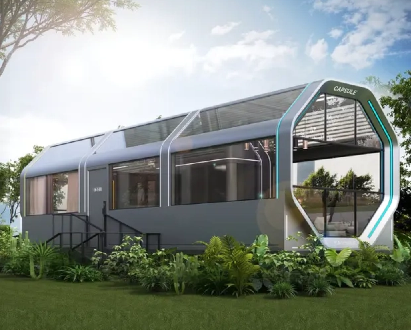
Modular Container Houses are pre-fabricated units that can be rapidly deployed for emergency housing, temporary offices, or pop-up commercial spaces. Their modular design allows for easy expansion, relocation, or reconfiguration, providing adaptable infrastructure in dynamic urban settings.
Smart and Sustainable Living
These structures integrate energy-efficient systems, renewable materials, and modern interiors. Modular Container Houses demonstrate that temporary or small-scale urban infrastructure can be both functional and environmentally responsible.
Applications in Public Spaces
Cities use Modular Container Houses to respond quickly to community needs, whether for events, public service delivery, or emergency relief. Their flexibility and rapid deployment make them an essential part of smart urban furniture strategies.
Interactive Digital Signage
Integration with City Wayfinding and Information Systems
Bus Stop Digital Signage is a core element of interactive urban furniture. Beyond transit updates, these displays provide information on local attractions, events, safety alerts, and weather conditions. They also enable advertising and revenue generation opportunities for cities, helping improve both financial sustainability and civic engagement.
Humanizing Public Spaces through Information
Digital signage enhances citizen engagement by offering accessible, easy-to-understand information. Interactive features, such as touchscreens or QR codes, allow users to customize their experience, increasing convenience, inclusivity, and functionality across public spaces.
Benefits of Smart Urban Furniture
Spatial Efficiency and Multi-Functionality
Modern urban furniture combines multiple functionalities in a single footprint, reducing space usage while maximizing utility. A Bus Shelter can offer seating, lighting, device charging stations, real-time transit information via Bus Stop Digital Signage, and community messages simultaneously. This multi-functional approach not only saves physical space in crowded urban areas but also creates more organized, accessible, and efficient public environments. The integration of various amenities into a single urban furniture unit ensures that citizens receive more services without increasing clutter or infrastructure costs.
Comfort and Convenience for Citizens
Solar Benches and modular seating solutions prioritize ergonomic design, accessibility, and user comfort. These benches provide comfortable seating while integrating USB and wireless charging, Wi-Fi connectivity, and solar-powered lighting. Modular Container Houses offer flexible public seating or temporary community spaces, with layouts that cater to diverse user needs. By combining convenience, accessibility, and technology, smart urban furniture helps create welcoming and inclusive spaces for all citizens, from the elderly to people with disabilities, making urban environments more user-friendly and enjoyable.
Health and Safety Enhancements
Smart urban furniture can include environmental sensors, air quality monitors, and adaptive lighting systems. Bus Shelters equipped with LED lighting, surveillance, and safety features improve visibility and reduce risks in public areas. Modular Container Houses with climate control provide comfortable, secure spaces for community engagement, events, or emergency services.
Sustainable Development and Green Practices
Renewable energy integration, durable materials, and environmentally conscious design reduce carbon footprints and promote low-impact city infrastructure. Solar-powered benches, energy-efficient lighting in Bus Shelters, and sustainable construction materials in Modular Container Houses exemplify how smart urban furniture aligns with green city initiatives, supporting cleaner, eco-friendly urban living.
Smart Urban Furniture Solution Providers
ZEMSO Group’s Innovation in Smart City Furniture
ZEMSO Group is a leading smart urban furniture solution provider, pioneering the integration of technology, sustainability, and ergonomic design. Their solutions include Bus Shelters, Solar Benches, Bus Stop Digital Signage, and Modular Container Houses.
Driving Urban Upgrades through Technology and Design
By combining cutting-edge technology with thoughtful design, ZEMSO Group helps cities enhance citizen experiences, optimize public infrastructure, and support sustainable urban growth.
Collaboration with City Managers and Developers
ZEMSO Group works closely with municipalities, planners, and developers to create scalable, adaptable, and community-focused urban furniture. Their solutions are tailored to city-specific needs, ensuring both practicality and innovation.
Conclusion
Smart urban furniture is transforming public spaces by seamlessly integrating technology, sustainability, and innovative design. Bus Shelters, Solar Benches, Bus Stop Digital Signage, and Modular Container Houses are no longer just functional amenities—they serve as interactive, eco-conscious, and community-focused solutions that enhance the urban experience. Leading smart urban furniture solution providers like ZEMSO Group are at the forefront of this evolution, pushing the boundaries of urban design to create cities that are more connected, efficient, and citizen-friendly. By adopting these smart solutions, cities can foster safer, greener, and more inclusive environments, promote sustainable development, and elevate everyday urban life. To explore the full potential of these innovations or to collaborate on modern urban projects, reaching out to ZEMSO Group is the first step toward building smarter, more connected communities.


