Contents
Introduction
The Rise of Modular Container Houses: A Modern Solution
Understanding the Process: How ZEMSO Turns Concepts Into Custom Modular Spaces
From Concept to Reality: The ZEMSO Construction Process
Advantages of Custom Modular Spaces
ZEMSO’s Commitment to Quality and Sustainability
Conclusion
FAQ
Introduction
In a rapidly evolving world where flexibility, efficiency, and sustainability are paramount, the demand for custom modular spaces has surged. ZEMSO, a leading name in the modular design and construction industry, has positioned itself at the forefront of this movement by delivering high-quality, custom-designed modular container houses that meet the diverse needs of its clients.
This article explores how ZEMSO transforms concepts into reality, offering insights into their design and delivery processes for custom modular spaces. Whether it’s a small office, a residential unit, or a complex multi-functional structure, ZEMSO excels in turning visionary ideas into fully realized modular environments.
The Rise of Modular Container Houses: A Modern Solution
Modular container houses have grown in popularity due to their adaptability and cost-efficiency. These prefabricated units, typically made from shipping containers, are transformed into livable, sustainable, and highly functional spaces. Unlike traditional construction, modular buildings are pre-manufactured off-site, allowing for faster assembly and less disruption to the environment.
For homeowners, businesses, and developers looking for flexible, high-quality solutions, modular container houses offer numerous advantages, such as:
Speed of Construction: Since much of the work is done in a factory setting, modular homes can be built in a fraction of the time it takes traditional houses.
Cost Efficiency: Modular units are often more affordable than traditional brick-and-mortar structures, without compromising on quality.
Customization: These modular designs allow for a wide range of personalization options, ensuring each space meets the specific needs of the client.
ZEMSO's approach to modular container houses has helped solidify these units as a viable solution for various types of structures, from personal homes to commercial spaces.
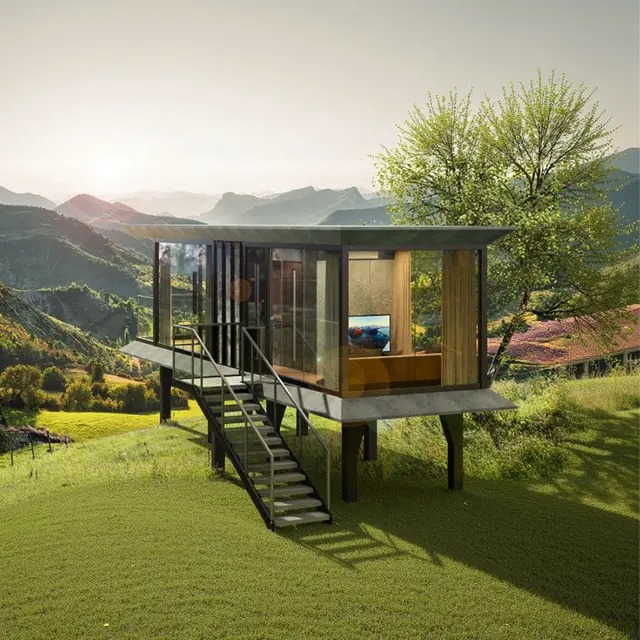
Understanding the Process: How ZEMSO Turns Concepts Into Custom Modular Spaces
Initial Consultation and Needs Assessment
The journey from concept to reality at ZEMSO begins with a thorough understanding of the client’s needs. Whether a customer is looking to create a home, office, or multi-functional space, ZEMSO prioritizes a detailed consultation process. This involves:
Assessing Client Requirements: Understanding the intended use of the space, desired aesthetics, functionality, and budget.
Site Evaluation: Evaluating the land or location where the modular container house will be placed to ensure the structure fits the site’s requirements, such as accessibility, foundation needs, and local regulations.
This foundational step ensures that ZEMSO’s design team has all the information necessary to create a customized plan that aligns with the client’s vision.
Designing Custom Modular Spaces
Once the client’s needs and site are assessed, ZEMSO’s design team begins crafting the blueprint for the modular container house. This phase includes:
Tailored Design Plans: ZEMSO works closely with architects and engineers to design spaces that maximize functionality, comfort, and style. Clients can choose from a range of finishes, layouts, and features to personalize their modular container house.
3D Visualization: Clients are provided with a digital 3D model of their design, giving them a clear visual representation of the final product before construction begins. This step ensures there are no surprises during the build and allows for tweaks to be made based on feedback.
This collaborative design process ensures that the final modular space not only meets but exceeds client expectations.
From Concept to Reality: The ZEMSO Construction Process
Site Preparation and Modular Unit Fabrication
After finalizing the design, the process moves to the factory floor, where the modular units are fabricated. ZEMSO’s modular container houses are crafted in a controlled environment, ensuring quality control and minimizing delays. The steps involved include:
Fabrication of Modular Units: Shipping containers are repurposed, and then components such as insulation, electrical wiring, plumbing, and interior finishes are integrated into the structure.
Off-site Construction: While the modular units are being fabricated, groundwork such as site leveling and foundation preparation is completed on-site, allowing for a seamless transition when the modules are ready for assembly.
The use of off-site fabrication ensures that weather, labor shortages, and other construction delays do not impact the timeline of the project.
Assembly and Installation of Modular Container Houses
Once the modular units are completed, the next step is delivery and assembly on-site. This process includes:
Transporting Units to the Site: The pre-assembled modules are transported to the project site, ready for installation.
On-Site Assembly: ZEMSO’s team assembles the modular units on-site, connecting them to utilities and finalizing interior touches such as furniture installation, fixtures, and appliances.
The entire assembly process is fast, with many modular container houses being fully functional within a matter of days.
Advantages of Custom Modular Spaces
Flexibility and Scalability
One of the key benefits of modular container houses is their inherent flexibility. ZEMSO’s custom solutions allow clients to scale their spaces based on their needs. Whether a client requires a single container for a small office or a series of connected units for a larger complex, modular designs can be adjusted to accommodate evolving demands.
Expandable Layouts: Need more space in the future? It’s easy to add additional modules.
Versatility in Usage: Modular units can serve a variety of purposes, from residential homes to temporary offices, event spaces, and even medical facilities.
Cost-Effectiveness and Time Efficiency
Modular container houses are an excellent solution for those seeking high-quality buildings at an affordable price. ZEMSO’s process minimizes waste, reduces labor costs, and ensures fast turnaround times. By manufacturing the modules off-site, construction is not delayed by weather conditions or other factors that often slow down traditional building projects.
A comparison of traditional construction vs. modular container house construction:
| Factor | Traditional Construction | Modular Container Houses |
| Time to Complete | 6-12 months | 1-3 months |
| Cost | Higher | More affordable |
| Environmental Impact | Higher | Lower (recycled materials) |
| Customization Options | Limited | Extensive |
The cost savings and speed of modular container houses make them a practical choice for many clients.
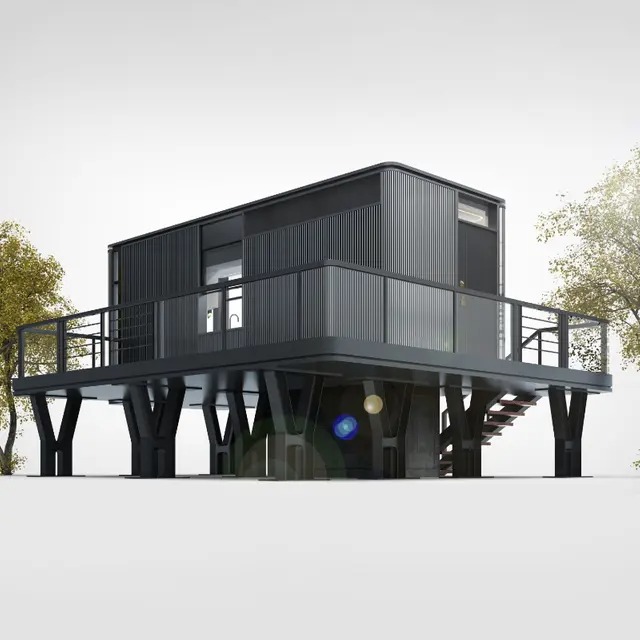
ZEMSO’s Commitment to Quality and Sustainability
ZEMSO is committed to delivering top-quality modular spaces that are not only functional but also sustainable. By using eco-friendly materials and sustainable practices, ZEMSO ensures that its projects align with modern environmental standards.
Recycled Materials: Many of ZEMSO’s modular containers are made from repurposed shipping containers, contributing to the reduction of waste.
Energy-Efficient Designs: ZEMSO prioritizes energy-efficient designs that reduce the carbon footprint of each modular space, from solar panel installation to smart energy systems.
Sustainability is at the heart of ZEMSO’s mission, and they are continually innovating to offer solutions that have minimal environmental impact.
Conclusion
ZEMSO’s approach to designing and delivering custom modular spaces has revolutionized how people think about construction. By offering flexible, cost-effective, and sustainable solutions, ZEMSO empowers clients to create high-quality spaces that meet their unique needs and exceed their expectations. From concept to reality, ZEMSO is transforming the modular container house industry and paving the way for a more sustainable future.
FAQ
1.What are modular container houses?
Modular container houses are prefabricated buildings made from repurposed shipping containers. These units are customized for various purposes, from residential homes to offices, and are known for their cost-effectiveness, speed of construction, and environmental benefits.
2.How long does it take to build a modular container house?
The time frame for building a modular container house typically ranges from 1 to 3 months, depending on the complexity of the design and the specific requirements of the project.
3.Are modular container houses environmentally friendly?
Yes, modular container houses are an eco-friendly option as they often utilize recycled shipping containers, and the manufacturing process is designed to minimize waste. Additionally, energy-efficient designs can reduce the carbon footprint of the building.
4.Can I customize my modular container house design?
Absolutely! ZEMSO offers extensive customization options, allowing clients to choose layouts, finishes, and features to create a space that suits their specific needs and preferences.
5.How much do modular container houses cost?
The cost of a modular container house varies based on the size, design, and features required. However, modular buildings are typically more affordable than traditional construction methods. ZEMSO works with clients to develop cost-effective solutions that meet their budgets.


