In the fast-paced world of urban mobility, effective communication is essential to creating a smooth and efficient transportation system. One of the most significant innovations in modern public transport systems is the use of digital signage at bus stops. Digital signage has rapidly become a key tool in enhancing the commuter experience, improving the efficiency of bus services, and providing real-time updates on transportation schedules.
By integrating technology into bus stop infrastructures, digital signage not only improves the communication between transit authorities and passengers but also offers benefits such as better customer engagement, increased safety, and new advertising opportunities. This article explores the many ways that bus stop digital signage is revolutionizing urban transportation systems, with a focus on real-time scheduling information, advertisements, and the ability to deliver emergency messages when needed.
1. The Role of Digital Signage in Urban Transport
The urban transport sector, especially public bus systems, is under increasing pressure to meet the demands of a growing urban population. As cities expand, so do the challenges of moving people efficiently, providing up-to-date information, and ensuring the safety and comfort of passengers. In this context, digital signage at bus stops has emerged as an invaluable tool that enhances both the operational efficiency of the transit system and the overall passenger experience.
At its core, digital signage refers to the use of electronic displays to convey information to the public. In the context of bus stops, these displays can provide real-time updates about bus arrivals, route changes, delays, and other relevant information. Additionally, digital signage can display advertisements, weather updates, and emergency messages, transforming bus stops from static points of waiting into dynamic sources of valuable information.
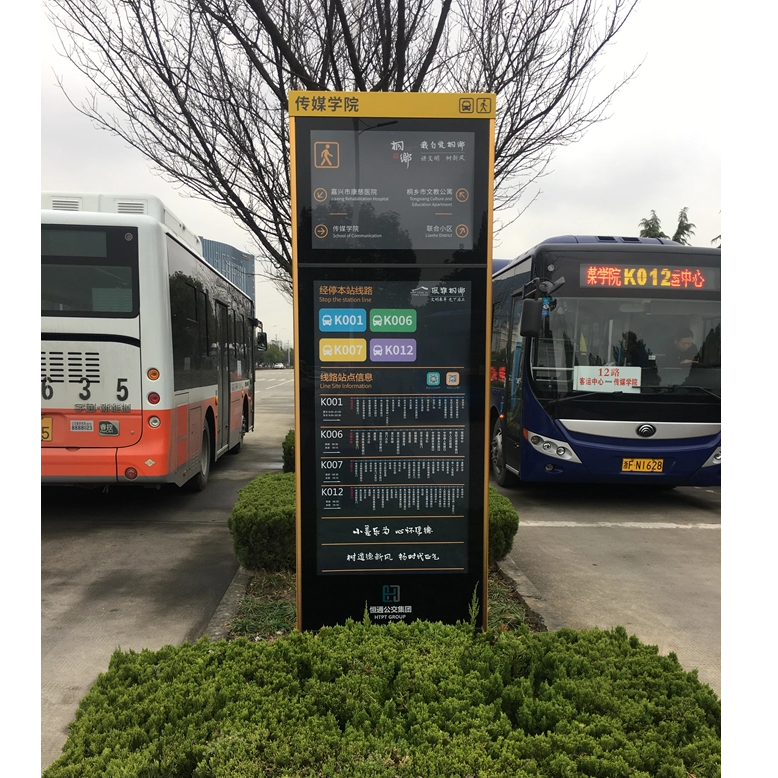
2. Real-Time Schedule Updates and Operational Efficiency
One of the primary benefits of digital signage at bus stops is the provision of real-time schedule information. Traditionally, bus schedules have been displayed on static signs that provide set departure times and routes. However, these schedules do not account for delays, traffic issues, or other real-time variables that might affect bus arrivals. This lack of up-to-date information can lead to confusion and frustration among commuters.
With digital signage, passengers now have access to real-time bus arrival information. Using GPS tracking systems, buses are monitored in real time, and updates are transmitted to the digital signs at bus stops. Passengers can see exactly when their bus is expected to arrive, whether it is running on time, or if there are any delays due to traffic or weather conditions. This level of transparency not only improves the commuting experience but also helps build trust between passengers and the transit authority.
Real-time updates also allow commuters to make better decisions. If they know that the bus they were planning to take is delayed, they can opt for a different bus or take another mode of transportation. This reduces waiting time and allows passengers to better manage their time, which is particularly valuable for those who have tight schedules or need to catch connecting transport.
Moreover, transit authorities can use the data from the digital signage system to monitor bus performance, identify frequent delays, and adjust schedules accordingly to improve efficiency and reliability.
3. Enhanced Advertising Opportunities
While real-time scheduling information is undoubtedly one of the most important features of bus stop digital signage, these systems also open up new opportunities for advertising. Digital billboards and screens can be used to display commercial ads, local events, or public service messages in an engaging and interactive manner.
For advertisers, digital signage offers a way to target specific audiences based on time of day, location, and demographics. For example, ads for breakfast items might appear in the morning hours, while promotions for dinner specials could be shown later in the day. Local businesses, events, or services can also use digital signage to reach commuters and engage with the community in a more dynamic way.
Additionally, digital signage allows for easy updates. Unlike traditional posters or printed advertisements, which need to be replaced manually, digital ads can be updated remotely, making it more efficient for both advertisers and transit authorities. This also ensures that the content remains current and relevant, offering a better experience for commuters.
Advertising revenues generated through digital signage at bus stops can help fund the installation and maintenance of these systems, providing a sustainable model for their continued use.
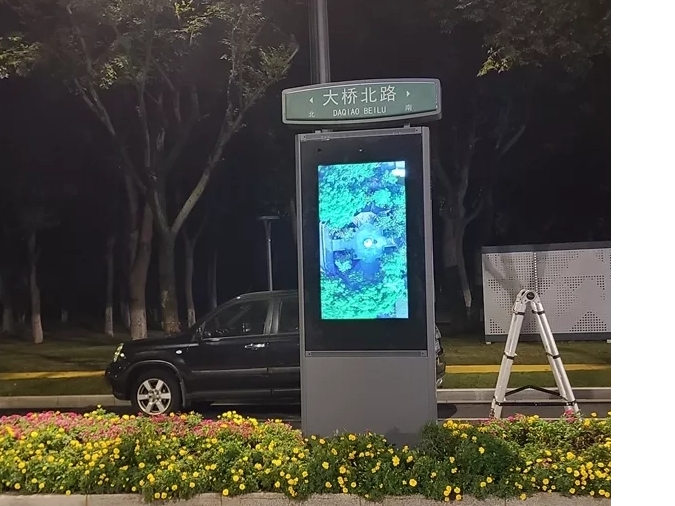
4. Real-Time Alerts and Emergency Notifications
Beyond everyday information, digital signage at bus stops also plays a critical role in emergency communications. Whether it’s a natural disaster, severe weather conditions, or an unexpected disruption in the transportation system, it's essential that passengers receive accurate and timely information. Digital signage provides an efficient and reliable means to communicate emergency alerts in real time.
In situations like severe storms, bus service disruptions, or security threats, the ability to broadcast emergency messages quickly and clearly can make a huge difference in passenger safety. Digital signs can display warnings such as “Service Disruption Due to Flooding” or “Suspended Service – Please Wait for Further Information,” allowing passengers to make informed decisions.
Additionally, in cases of emergencies such as accidents or suspicious activities, digital signage can also provide instructions on evacuation procedures or where to seek shelter. This ability to communicate with commuters during emergencies ensures that the public is well-informed and can react appropriately to mitigate risks.
Emergency messages are not just limited to transport-related incidents. In cases of citywide emergencies, digital signage can be used to communicate broader safety information to the public, such as evacuation routes or emergency contacts.
5. Improved Passenger Engagement and Experience
The inclusion of interactive elements in bus stop digital signage takes the passenger experience to the next level. Many smart bus shelters are equipped with touchscreens or mobile app integration, allowing commuters to interact with the signage. For example, passengers can access detailed route maps, check for alternate routes, or plan their journeys using the interactive features on the screen.
Additionally, digital signage can feature entertainment content such as news, weather updates, and local happenings. This not only helps pass the time while waiting for the bus but also fosters a sense of connection between passengers and their community. During long waiting times, such entertainment content can reduce feelings of frustration and boredom.
6. Sustainability and Efficiency
An important aspect of digital signage is its environmental impact. Compared to traditional paper-based posters, digital signage eliminates the need for paper, ink, and regular replacement. This significantly reduces the carbon footprint of advertising, making it a more sustainable solution for cities and businesses. Moreover, many digital signage systems are designed to be energy-efficient, with solar-powered options available, which aligns with the growing trend toward green and sustainable urban infrastructure.
By providing more efficient communication methods and reducing waste, digital signage helps cities work toward their sustainability goals, while also benefiting businesses and passengers alike.
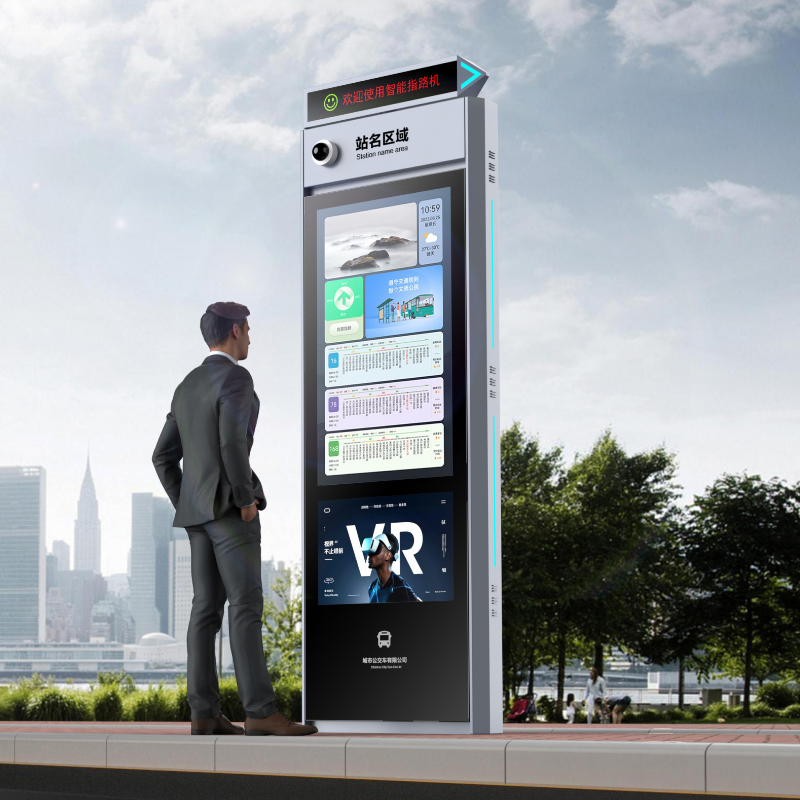
7. The Future of Bus Stop Digital Signage
The future of bus stop digital signage is bright, with continuous advancements in technology offering even more possibilities. From integrating artificial intelligence (AI) to provide predictive updates and personalized experiences for commuters, to expanding the use of digital signage in conjunction with other smart city technologies, the potential for innovation is limitless.
Cities are increasingly integrating smart transportation networks, and bus stop digital signage will play a key role in this transformation. Future systems may include mobile integrations, where commuters can use their smartphones to get real-time updates or interact directly with the signs for a more customized experience.
As cities continue to grow and the demand for efficient, user-friendly transportation options increases, the role of digital signage will only become more crucial in shaping the future of urban mobility.
Conclusion
Bus stop digital signage has proven to be an essential element in modern urban transportation systems. From real-time bus tracking to interactive entertainment and advertising, these digital platforms enhance the commuter experience by providing timely, relevant, and dynamic information. They also improve the operational efficiency of public transit systems, boost safety through emergency notifications, and offer a sustainable advertising medium.
As technology continues to evolve, digital signage at bus stops will play an even more significant role in urban transportation, helping cities keep pace with the growing demands of modern commuters. In the future, this technology will become even more integrated into the broader smart city infrastructure, offering a seamless, connected, and highly efficient transportation experience for everyone.


