Urban landscapes are undergoing a remarkable transformation as cities worldwide embrace smart technologies to enhance efficiency, sustainability, and quality of life. At the forefront of this evolution is the integration of intelligent infrastructure through smart urban furniture – everyday street elements reimagined with digital capabilities. From bus shelters with real-time transit information to solar-powered benches offering connectivity, these innovations are fundamentally changing how citizens experience urban environments.
Companies like Zemso are leading this transformation by developing comprehensive smart city solutions that merge physical infrastructure with digital intelligence. These innovations address growing challenges of urbanization while creating more responsive, efficient, and people-centered public spaces. As urban populations continue to expand, the role of intelligent street furniture becomes increasingly vital in creating sustainable, livable cities for the future.
The Evolution of Smart Urban Infrastructure
The concept of urban furniture has evolved dramatically over recent decades. Traditional street elements that once served single purposes—benches for sitting, shelters for weather protection—have transformed into multifunctional digital hubs. This evolution reflects broader smart city trends where connectivity, data analytics, and sustainability converge to create more responsive urban environments.
From Static to Interactive: The Digital Transformation
Traditional urban elements have undergone remarkable transformation:
Bus shelters evolved from simple weather protection to interactive information centers
Street furniture now incorporates digital displays, sensors, and connectivity
Public spaces feature integrated systems that communicate with smartphones and city networks
Energy self-sufficiency through solar integration has become standard in modern designs
The global smart city market is projected to reach $873 billion by 2026, growing at a CAGR of 14.8% from 2021. This growth is driven by increasing urbanization, environmental concerns, and the need for more efficient city management. Smart urban infrastructure represents a significant portion of this investment as cities seek tangible ways to implement intelligent capabilities in public spaces.
Key Market Drivers Behind Smart City Furniture Growth
Several factors are accelerating adoption of intelligent urban furniture solutions:
Urbanization Pressure: With 68% of the global population expected to live in urban areas by 2050, cities need smarter infrastructure to manage density.
Sustainability Mandates: Municipal governments face growing pressure to reduce carbon footprints and energy consumption.
Connectivity Demands: Citizens expect seamless digital experiences throughout urban environments.
Operational Efficiency: Cities seek to reduce maintenance costs through predictive analytics and remote monitoring.
Public Safety Concerns: Smart infrastructure can enhance security through integrated surveillance and emergency communication systems.
Companies like Zemso are responding to these drivers with integrated solutions that address multiple challenges simultaneously, creating urban furniture that serves both immediate practical needs and broader smart city objectives.
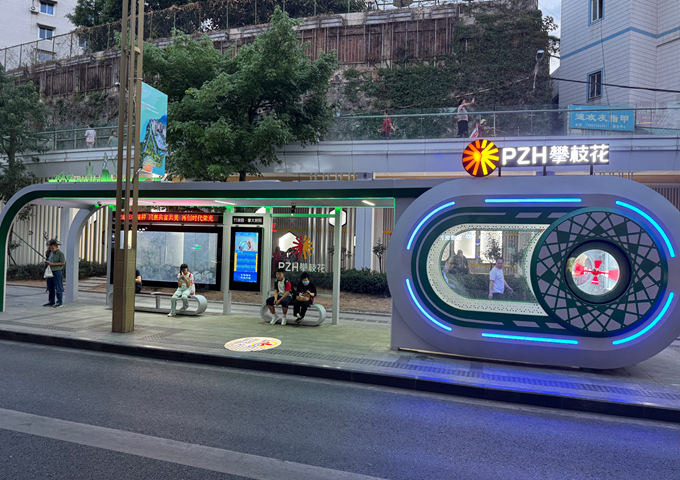
Smart Bus Shelters: Revolutionizing Urban Transit Experiences
Smart bus shelters represent one of the most visible and impactful implementations of intelligent urban furniture. These structures have evolved far beyond weather protection, becoming comprehensive transit hubs that enhance the commuter experience through digital integration and passenger-focused design.
Core Technologies Transforming Transit Infrastructure
Modern intelligent transit shelters integrate several key technologies:
Real-time information systems display accurate arrival times and route updates
Interactive touchscreens provide wayfinding assistance and local information
Environmental sensors monitor air quality, temperature, and noise levels
HD surveillance cameras enhance security while providing occupancy data
Digital advertising displays generate revenue while delivering relevant content
Solar panels provide sustainable power for digital components
Connectivity options including WiFi hotspots and USB charging points
Zemso's AI+Smart bus shelter solutions exemplify this integration, combining aesthetic design with practical functionality through advanced digital capabilities. These shelters create comfortable waiting environments while delivering valuable services to commuters and operational data to transit authorities.
Passenger Experience Enhancement Through Digital Integration
The impact of intelligent transit shelters on passenger experience is substantial:
Reduced perceived wait times through real-time arrival information
Improved journey planning with interactive route information
Enhanced comfort through climate-controlled waiting environments
Greater accessibility for disabled passengers through information systems
Improved safety via integrated lighting and surveillance
Digital entertainment options during wait times
Connectivity maintenance through charging options and WiFi
Research indicates that transit shelters with real-time information can reduce perceived wait times by up to 30%, significantly improving passenger satisfaction. When combined with physical comfort features and digital amenities, intelligent bus shelters transform waiting time from a necessary inconvenience into a productive, comfortable experience.
Essential Components of Comprehensive Smart City Solutions
Creating truly intelligent urban environments requires an ecosystem of complementary elements working together. While smart bus shelters often serve as flagship implementations, they represent just one component of integrated smart city furniture solutions.
Integrated Urban Furniture Elements
A complete smart city furniture ecosystem typically includes:
Bus Stop Digital Signage
Bus stop digital signage systems deliver real-time transit information and serve as communication hubs. These displays range from simple LED arrival time indicators to sophisticated interactive screens that offer:
Route maps and service updates
Multimodal transportation information
Emergency alerts and weather information
Neighborhood guides and points of interest
Advertising space for municipal revenue generation
The latest generation of digital transit displays incorporates AI capabilities for passenger counting, predictive arrival estimates, and personalized information delivery.
Solar Bench Innovations
Solar bench installations represent a perfect blend of traditional functionality and modern technology. These intelligent seating solutions typically feature:
Integrated solar panels for power generation
USB charging ports for mobile devices
LED illumination for nighttime safety
Optional WiFi hotspot capability
Weather-resistant materials for durability
Accessible design for all users
Zemso's multifunctional solar benches demonstrate how everyday street furniture can be transformed into valuable service points while maintaining aesthetic appeal. Their energy self-sufficiency makes them ideal for parks, plazas, and transit corridors.
Urban Service Kiosks
Urban service kiosks serve as versatile information and service points throughout city environments. These standalone structures can provide:
Interactive wayfinding assistance
Municipal service access points
Emergency communication capability
Ticket services for local attractions
Public information displays
Environmental monitoring stations
Digital advertising space
These multifunctional structures serve as important touchpoints between citizens and city services, while also generating revenue through advertising and transaction capabilities.
Smart Street Lights
Smart street lights have evolved from simple illumination to become crucial components of connected urban networks. Modern implementations include:
LED technology for energy efficiency
Adaptive brightness based on conditions
Motion sensors for occupancy detection
Environmental monitoring capabilities
Public WiFi access points
Electric vehicle charging options
Emergency response integration
The integration of these lighting networks with other smart city furniture creates comprehensive monitoring and service delivery systems throughout urban environments.
Comparison of Smart Urban Furniture Solutions
| Feature | Smart Bus Shelters | Digital Signage | Solar Benches | Urban Kiosks | Smart Street Lights |
| Primary Function | Transit waiting area | Information display | Seating | Service access | Illumination |
| Energy Source | Grid/Solar hybrid | Grid connection | Solar powered | Grid connection | Grid/Solar hybrid |
| Connectivity | WiFi/4G/5G | 4G/5G | Optional WiFi | WiFi/4G/5G | WiFi mesh network |
| User Interface | Interactive screens | Digital display | Charging ports | Touchscreen | Smartphone app |
| Environmental Monitoring | Temperature, air quality | Limited/None | Optional sensors | Multi-sensor array | Air quality, noise |
| Revenue Generation | Advertising displays | Advertising | Limited/None | Advertising, services | Limited/None |
| Installation Complexity | High | Medium | Low | Medium | Medium |
| Maintenance Requirements | Regular | Moderate | Minimal | Regular | Moderate |
This comparison illustrates how different elements serve complementary roles in creating a comprehensive smart city ecosystem. The most effective implementations integrate these components into cohesive networks that share data and functionality.
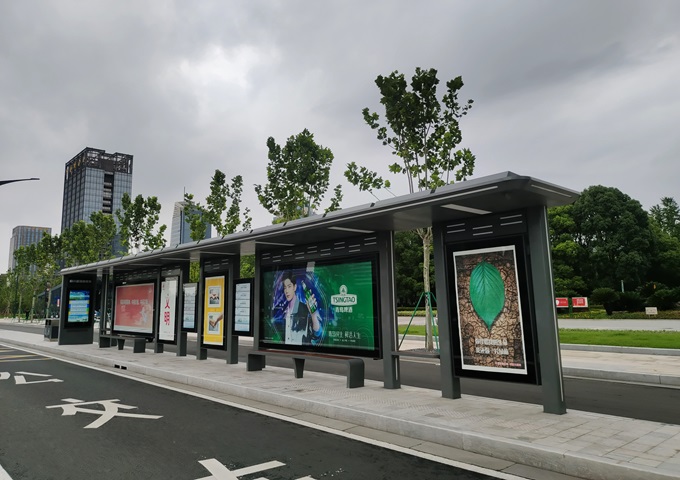
Successful Smart Urban Furniture Implementations
The theoretical benefits of intelligent city furniture become concrete through successful real-world implementations. Examining deployments in various urban contexts provides valuable insights into best practices and outcomes.
Case Study: Integrated Transit Solutions
Cities that have implemented integrated smart bus shelters have seen significant improvements in transit experiences and operational efficiency. For example, when a major European capital deployed 300 intelligent bus shelters with real-time information displays, the results included:
18% increase in public transport ridership within one year
87% passenger satisfaction rate (up from 62%)
24% reduction in customer service inquiries
Revenue generation of €2.3 million annually through digital advertising
Zemso's implementations follow similar patterns, combining aesthetic design with practical functionality to transform transit environments. Their AI+Smart shelters integrate seamlessly with existing city systems while providing enhanced services to commuters.
Urban Connectivity Hubs
Beyond transit applications, smart urban furniture creates connectivity networks that extend digital access throughout public spaces. Solar benches with charging capabilities and WiFi access points have proven particularly successful in parks and plazas, where they:
Extend average visitor stays by 27-40%
Support digital inclusion initiatives in underserved areas
Reduce the need for traditional connectivity infrastructure
Create self-sufficient service points that function during power outages
Zemso's multifunctional solar bench implementations exemplify this approach, creating energy-independent connectivity points that require minimal maintenance while delivering consistent service.
Impact of Smart Urban Furniture on City Living
The proliferation of intelligent street furniture is fundamentally changing urban experiences across multiple dimensions. From environmental benefits to economic implications, these implementations are reshaping city living in measurable ways.
Environmental and Sustainability Benefits
Smart city furniture contributes significantly to urban sustainability goals:
Solar-powered elements reduce energy consumption from traditional grids
LED lighting in smart shelters and street lights reduces energy usage by 50-70%
Digital wayfinding reduces paper waste from traditional maps and notices
Real-time transit information encourages public transport usage, reducing emissions
Integrated environmental sensors monitor pollution levels, enabling targeted interventions
Many implementations also incorporate recycled or sustainable materials in their physical construction, further enhancing their environmental credentials.
Economic Implications for Municipalities
Beyond environmental benefits, intelligent urban furniture offers compelling economic advantages:
Digital advertising spaces generate significant municipal revenue
Maintenance costs decrease through remote monitoring and predictive maintenance
Tourism increases with improved wayfinding and city information
Local businesses benefit from increased foot traffic near smart infrastructure
Property values often increase in areas with modern, well-maintained urban amenities
The initial investment in smart furniture is typically offset by these direct and indirect economic benefits within 3-5 years of implementation.
Social and Community Impact
Perhaps most importantly, smart urban furniture enhances the social fabric of cities:
Creates more inclusive public spaces through accessible design and information
Improves safety perception through lighting and emergency communication features
Strengthens community connections by creating comfortable gathering places
Reduces digital divide by providing free WiFi and charging in public areas
Enhances civic pride through modern, well-maintained public infrastructure
These social benefits contribute significantly to overall quality of life and community satisfaction in urban environments.
Future Trends and Challenges in Smart Urban Infrastructure
As smart city furniture continues to evolve, several emerging trends and challenges will shape the industry's future development.
Emerging Technologies and Integration Opportunities
The next generation of intelligent urban furniture will likely incorporate:
Advanced AI for predictive maintenance and personalized services
Edge computing capabilities for faster local processing
5G integration for enhanced connectivity and data throughput
Augmented reality interfaces for enhanced information delivery
Modular designs that allow for easy component upgrades
Expanded environmental monitoring capabilities
Integration with autonomous vehicle networks
Zemso's commitment to continuous innovation positions them to incorporate these emerging technologies into future product generations, maintaining their leadership in the smart urban furniture sector.
Challenges in Implementation and Adoption
Despite the clear benefits, several challenges remain in widespread smart furniture adoption:
Initial infrastructure costs can be prohibitive for smaller municipalities
Integration with legacy city systems requires careful planning
Privacy concerns surrounding data collection in public spaces
Cybersecurity vulnerabilities in connected infrastructure
Balancing digital functionality with aesthetic considerations
Ensuring accessibility for all citizens regardless of technical literacy
Maintaining functionality in extreme weather conditions
Addressing these challenges requires collaboration between furniture providers, municipal governments, and community stakeholders to create implementations that truly serve public needs.
FAQs About Smart City Furniture and Urban Innovation
Q1: How are smart cities shaping the future of urban living?
Smart cities are transforming urban living by creating more efficient, sustainable environments through data-driven decision making and connected infrastructure. They enhance quality of life with improved services, reduced congestion, lower pollution, and greater accessibility, while enabling more responsive governance.
Q2: How does smart city impact urban development of a city?
Smart city technologies fundamentally reshape urban development by encouraging data-informed planning, promoting sustainable building practices, and creating more connected public spaces. They enable more efficient resource allocation, transform citizen-government interactions, and attract innovation-focused businesses and residents.
Q3: What are the 7 pillars of smart city?
The 7 pillars of smart city development are: 1) Smart governance and administration, 2) Sustainable environment and energy management, 3) Connected mobility and transportation, 4) Innovative economy and employment, 5) Intelligent buildings and infrastructure, 6) Improved public health and safety, 7) Enhanced quality of life and social inclusion.
Q4: What are smart cities digital solutions for a more livable future?
Smart cities digital solutions include integrated transportation platforms, intelligent energy grids, real-time environmental monitoring, digital public service access points, smart waste management, connected healthcare infrastructure, and citizen engagement applications—all creating more sustainable, efficient, and livable urban environments.
Q5: What benefits do smart bus shelters provide to citizens?
Smart bus shelters benefit citizens through real-time arrival information reducing wait anxiety, climate-controlled environments enhancing comfort, digital information access, improved safety with lighting and cameras, connectivity options like WiFi and charging ports, accessibility features, and entertainment options during transit waits.
Q6: How do smart urban furniture solutions save energy and costs?
Smart urban furniture saves energy and costs through solar power integration, LED lighting with adaptive controls, remote monitoring that reduces maintenance visits, predictive maintenance preventing costly failures, digital advertising generating revenue, and data collection enabling resource optimization across city operations.
Q7: What makes Zemso's smart city solutions unique?
Zemso's smart city solutions stand out through their comprehensive integration capabilities, aesthetic design excellence, modular customization options, rugged durability in challenging environments, advanced AI features, industry-leading manufacturing standards, and complete ecosystem approach that creates cohesive urban experiences rather than isolated smart elements.
Conclusion: The Future Cityscape
As urban environments continue to evolve, smart city furniture will play an increasingly central role in shaping how citizens experience and interact with public spaces. From intelligent transit shelters that transform commuting experiences to multifunctional street elements that create connected, responsive environments, these innovations represent the physical embodiment of smart city principles.
Companies like Zemso are driving this transformation through commitment to design excellence, technological innovation, and comprehensive solutions that address real urban challenges. Their integrated approach—combining hardware, software, and service expertise—creates urban furniture that not only meets today's needs but can adapt to tomorrow's challenges.
The future cityscape will be defined not just by architectural landmarks but by the intelligent infrastructure that makes urban living more convenient, sustainable, and enjoyable. Smart bus shelters, digital signage systems, solar benches, and other connected elements will form the foundation of truly smart cities—where technology serves people in the most direct and tangible ways.
For municipal leaders, urban planners, and transit authorities looking to enhance their cities, partnering with experienced smart furniture providers offers a concrete path toward creating the connected, sustainable urban environments their citizens increasingly expect. The transformation is already underway, reshaping our cities one smart element at a time.


