Introduction
Smart bus shelters are no longer just places to wait. As cities become smarter, these shelters are evolving into multifunctional hubs that enhance urban living. By integrating technologies like IoT, AI, and sensors, they play a crucial role in gathering urban data and improving city operations. In this article, we will explore how smart bus shelters are transforming from simple waiting spots to vital data hubs. You’ll discover how these shelters contribute to smarter city planning, improved public safety, and seamless transportation experiences.
Smart Bus Shelters as Data Nodes in Urban Environments
Role in Data Collection
Smart bus shelters are equipped with sensors that collect a wealth of data on urban environments. These shelters monitor factors like traffic, pedestrian flow, and environmental conditions such as air quality and noise levels. This data is then integrated with city-wide networks to provide real-time insights for municipal services. This real-time data helps urban planners and city officials manage resources more effectively and respond quickly to issues such as congestion or environmental hazards.
Data Processing and AI Utilization
AI plays a critical role in processing the data collected by smart bus shelters. By leveraging machine learning algorithms, the data is turned into actionable insights that can optimize bus routes, improve traffic management, and monitor environmental conditions. For example, smart shelters can predict peak traffic times and adjust bus schedules accordingly, reducing congestion and enhancing passenger experience. AI can also monitor pollution levels and alert city officials when air quality drops, enabling timely interventions.
Enhancing City Operations
Smart bus shelters are more than just data collectors; they are essential tools for improving city operations. By processing environmental and traffic data, these shelters help with better city planning, resource allocation, and sustainability efforts. For instance, shelters can use collected data to help identify areas with high foot traffic, allowing urban planners to adjust bus routes or build new infrastructure. Moreover, smart shelters contribute to sustainability goals by supporting energy-efficient practices, such as solar-powered displays and lighting.
Advanced Features of Smart Bus Shelters
Environmental and Urban Monitoring
The environmental monitoring capabilities of smart bus shelters can collect real-time data on air quality, noise pollution, and other urban factors. The table below shows the application and key metrics of these data collection technologies.
| Feature | Description | Technical Specifications | Application | Considerations |
| Air Quality Monitoring | Monitors harmful substances in the air such as PM2.5, nitrogen dioxide, etc. | Sensor type: Optical, gas sensors; Accuracy: ±10% | Provides real-time air quality index (AQI) | Ensure periodic sensor calibration to prevent data drift |
| Noise Pollution Monitoring | Detects environmental noise levels in real time using noise sensors. | Noise sensor range: 30-120 dB; Response time: <1 second | Helps plan low-noise zones | Increase monitoring frequency in high-noise areas |
| Temperature & Humidity Monitoring | Monitors temperature and humidity changes using environmental sensors. | Temperature sensor accuracy: ±0.5°C, Humidity: ±3% | Ensures temperature and humidity monitoring align with air quality | Pre-set response measures for extreme temperature conditions |
| Data Analysis & Reporting | Data is processed and visualized to show environmental trends and changes. | Data collection frequency: Once every minute; Reporting period: Hourly | Provides data-driven insights for urban planning decisions | Ensure data storage and transmission are secure and compliant |
Connectivity and Digital Services
Modern smart bus shelters offer advanced connectivity options such as free Wi-Fi, 5G, and small cellular cells. These features not only help passengers stay connected while waiting but also support the growing number of IoT devices in urban environments. The shelters often have digital displays providing real-time information about bus arrivals, local events, or weather updates. Interactive services, such as digital wayfinding and emergency alerts, further enhance public safety and commuter convenience.
Enhancing Public Safety
Smart bus shelters enhance public safety with built-in surveillance systems, emergency call buttons, and real-time communication capabilities. These features provide passengers with a sense of security, knowing they can quickly contact local authorities in case of an emergency. Additionally, integrated cameras help monitor city traffic conditions, ensuring that buses run on time and that pedestrian and vehicle flow is managed effectively. In some cases, shelters can even monitor crowd density, reducing the risk of overcrowding during peak hours.
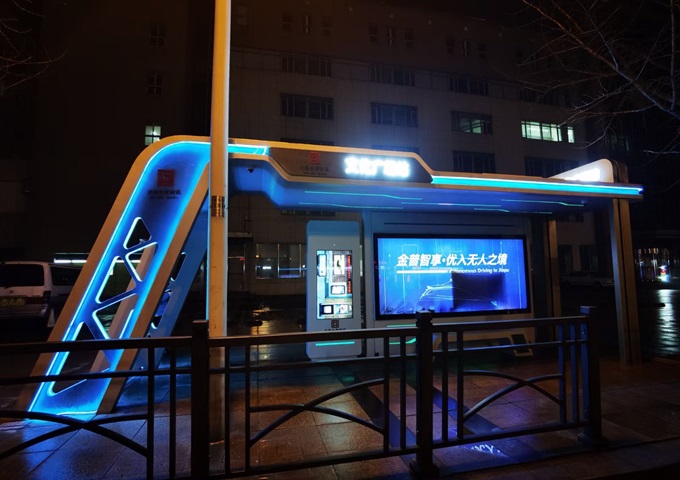
AI and Data Integration in Smart Bus Shelters
Real-Time Passenger Flow Management
AI-powered sensors and cameras integrated into smart bus shelters help monitor passenger flow in real-time. By tracking the number of people waiting at a shelter, AI can predict when a bus is likely to become overcrowded. This allows transit authorities to adjust routes, frequencies, and even the type of bus deployed, ensuring optimal service and preventing delays. Real-time updates on bus arrival times, crowd density, and seating availability help create a seamless and stress-free commuting experience.
Predictive Analytics for Transit Operations
Smart bus shelters provide valuable data for predictive analytics, helping transit agencies optimize bus schedules and operations. By analyzing historical passenger flow data, AI models can predict peak times and adjust schedules accordingly. This allows for better resource allocation and more efficient transit operations, ultimately improving the overall commuter experience. Furthermore, AI can identify areas where buses may be delayed or overcrowded, enabling quick adjustments to reduce disruptions.
Enhancing Mobility and Accessibility
Smart bus shelters play an essential role in promoting accessibility, particularly in integrating multiple modes of transport. The following table illustrates how smart bus shelters support multimodal transportation options and enhance the convenience of urban travel.
| Feature | Description | Technical Specifications | Application | Considerations |
| Multimodal Integration | Provides centralized information on various transport options like buses, bike-sharing, and e-scooters. | Supports 5G, Wi-Fi, GPS | Real-time availability of transport modes | Ensure real-time data updates and accuracy |
| Transport Mode Switching | Offers an interface for passengers to select the most suitable transport mode based on their needs. | Screen size: 15-30 inches; Interactive feature: Touch | Seamless travel transitions for passengers | Optimize user interface for accessibility across diverse groups |
| Public Transport Optimization | Adjust bus routes, schedules, and resources based on real-time data. | Traffic flow monitoring, AI data processing capabilities | Enhance public transportation system efficiency | Ensure accuracy to avoid data delays impacting decisions |
| Safety & Accessibility Design | Includes accessibility features and emergency call buttons to ensure safety and convenience for all passengers. | Camera: 1080p HD; Emergency response time: less than 2 minutes | Ensures equal participation for vulnerable groups | Ensure quick emergency responses in critical situations |
Tip: Real-time data updates are crucial in multimodal integration design to ensure smoother traffic flow, especially in high-traffic areas.
Revenue Generation and Commercialization through Smart Shelters
Dynamic Advertising and Content Delivery
One of the key benefits of smart bus shelters is their ability to host dynamic advertising. Digital displays on these shelters can show time-sensitive and location-based ads that adapt to factors like the time of day, weather, or foot traffic. This allows brands to target commuters with more relevant content, improving engagement. For cities, dynamic advertising provides a new revenue stream that is more lucrative than traditional static billboards, as the content can be continuously updated and optimized.
Data Monetization
Data collected by smart bus shelters can be monetized to benefit both cities and private operators. Anonymized commuter data, such as foot traffic patterns and dwell times, can be sold to businesses, urban planners, or research organizations. This data provides valuable insights into consumer behavior and can be used for targeted marketing or to inform infrastructure decisions. By monetizing data in this way, cities can generate additional revenue while also supporting smarter urban development.
Sustainable Revenue Models
Smart bus shelters offer sustainable revenue opportunities through various features such as retail kiosks, charging stations, and public service tools. These amenities not only generate income for the city but also improve the commuter experience. For example, smart shelters with retail kiosks provide passengers with access to snacks or travel essentials while waiting. Charging stations allow commuters to power up their devices, creating a valuable service that enhances the overall functionality of the shelter.
The Role of Smart Bus Shelters in Smart Cities
Integrating Smart Shelters with Smart City Infrastructure
Smart bus shelters are essential components of the broader smart city infrastructure. They act as nodes within a network that connects various urban systems, such as transportation, utilities, and public services. By integrating smart shelters with other city infrastructure, such as smart traffic lights or autonomous vehicles, cities can optimize the flow of people and vehicles. This interconnected system allows for better real-time decision-making and improves overall city efficiency.
Supporting the Transition to Sustainable Mobility
As cities move towards sustainable mobility, smart bus shelters play a crucial role in supporting eco-friendly transportation systems. Shelters with solar panels, energy-efficient lighting, and electric vehicle charging stations contribute to reducing the city's carbon footprint. Moreover, by promoting low-carbon transport options such as electric buses and bike-sharing, these shelters help cities meet their sustainability goals while providing convenient and environmentally friendly transportation choices.
Leveraging Data for Future City Planning
The data generated by smart bus shelters is invaluable for future city planning. It helps urban planners understand commuter patterns, identify underserved areas, and optimize public transport networks. This data-driven approach ensures that future infrastructure developments are aligned with actual usage and demand. For example, data from smart shelters can highlight areas with high pedestrian traffic but limited transit options, allowing city officials to adjust routes or build new services to meet the needs of the community.

Empowering Communities through Smart Bus Shelters
Fostering Social Inclusivity
Smart bus shelters contribute to social inclusivity by providing essential services to vulnerable groups such as the elderly and disabled. Features like voice-controlled interfaces, accessible seating, and emergency assistance buttons ensure that these individuals can use public transportation more easily. Customizable interfaces and interactive features allow shelters to cater to the needs of all residents, ensuring that everyone benefits from the conveniences of modern transportation systems.
Enhancing Public Engagement and Participation
Smart shelters are not just transit points—they also serve as platforms for public engagement. Through digital screens and interactive kiosks, these shelters provide access to municipal services, community announcements, and local events. Residents can use these shelters to report issues, access city information, or participate in community activities. This fosters a sense of connection between citizens and their city, empowering people to engage more actively with their local government and community.
Supporting Local Businesses and Events
Smart bus shelters are valuable tools for promoting local businesses and cultural events. By hosting dynamic advertising and real-time information displays, these shelters offer local businesses an opportunity to engage directly with commuters. Real-time event notifications and local news updates also help boost community participation and business visibility. This integration supports both the local economy and cultural engagement, making smart bus shelters a key component of vibrant urban spaces.
Conclusion
Smart bus shelters have evolved into critical components of urban infrastructure. They now serve as multifunctional hubs, providing real-time data, improving mobility, and fostering community engagement. These shelters are equipped with advanced technologies like IoT, AI, and sensors, which enhance public safety and optimize city operations. By investing in smart bus shelters, cities can create more efficient, sustainable, and connected urban environments. Shanghai Zemso Urban Furniture Technology Co., Ltd. offers innovative smart shelter solutions, providing value with energy-efficient designs and integrated technologies to improve the commuter experience and urban management.
FAQ
Q: What are Smart Bus Shelters?
A: Smart bus shelters are advanced urban infrastructure that integrate technologies like IoT, AI, and sensors. They collect data on traffic, air quality, and pedestrian flow, enhancing urban mobility and improving public safety.
Q: How do Smart Bus Shelters enhance city operations?
A: Smart bus shelters improve city operations by providing real-time data that helps urban planners optimize routes, manage traffic, and promote sustainability. This data-driven approach supports efficient city management.
Q: Why are Smart Bus Shelters important for smart cities?
A: Smart bus shelters are crucial for smart cities as they act as data hubs, integrating with city-wide networks. They improve mobility, support environmental monitoring, and contribute to better urban planning.
Q: Can Smart Bus Shelters generate revenue?
A: Yes, Smart Bus Shelters can generate revenue through dynamic advertising, digital displays, and data monetization. Cities can sell anonymized commuter data or lease digital space for targeted advertising.
Q: How do Smart Bus Shelters promote sustainability?
A: Many Smart Bus Shelters are energy-efficient, featuring solar-powered displays and lighting. They also help cities monitor environmental conditions and reduce the carbon footprint of urban transportation.
Q: What benefits do Smart Bus Shelters offer to commuters?
A: Smart Bus Shelters provide real-time transit information, Wi-Fi, and safety features like emergency call buttons and surveillance, improving the overall commuter experience.


