As cities evolve into more connected and technology-driven spaces, urban infrastructure is undergoing a transformation to meet the needs of a growing population. One of the most promising advancements in this transformation is the development and integration of urban service kiosks. These smart, self-service terminals are rapidly becoming a cornerstone in modern urban landscapes, offering a wide range of functionalities that make city life more convenient, efficient, and connected.
Urban service kiosks are essentially interactive terminals that provide access to important services, information, and communication. Located in high-traffic public areas such as parks, transportation hubs, shopping districts, and government buildings, these kiosks serve as digital touchpoints that bridge the gap between citizens and city services. The application of urban service kiosks spans across various sectors, from information queries and government services to advertising and tourist navigation. As cities continue to adopt digital technologies, urban service kiosks are playing a pivotal role in reshaping how residents, visitors, and businesses interact with urban environments.
This article explores the many advantages and applications of urban service kiosks, shedding light on how these digital platforms are enhancing the urban experience for both residents and visitors.
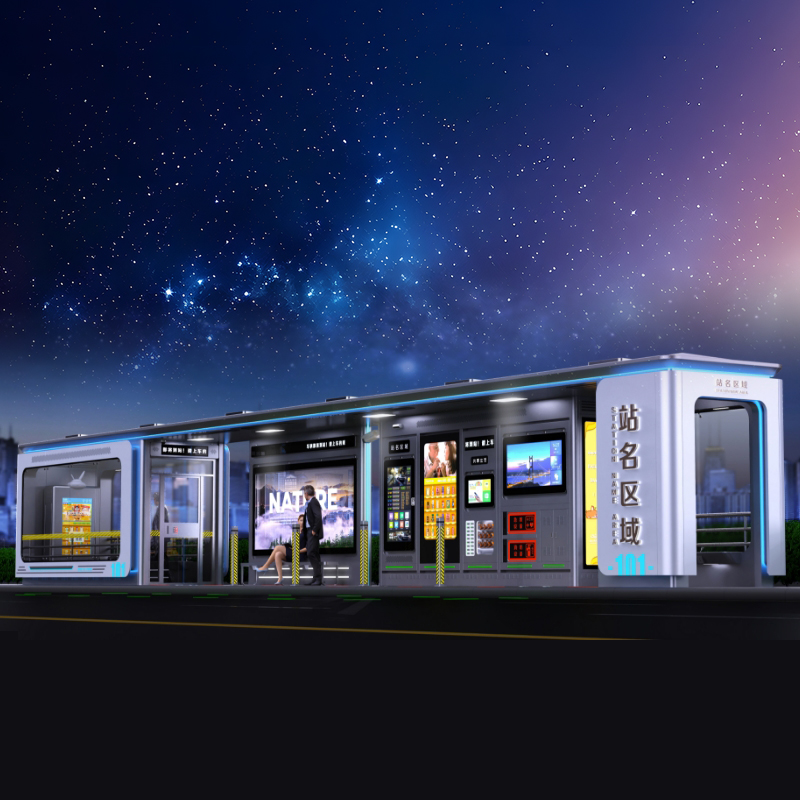
1. What Are Urban Service Kiosks?
Urban service kiosks are self-contained, interactive terminals designed to provide essential services and information to the public. These kiosks typically feature touchscreen interfaces that allow users to navigate menus, access information, and complete transactions. In some cases, they may also include voice recognition or gesture controls for added convenience.
Urban service kiosks can offer a wide range of functions depending on their design and the specific needs of the area in which they are located. Common features include:
Information queries: Users can search for details about local services, businesses, transportation, and city events.
Government services: Kiosks can enable citizens to access public services, such as paying fines, renewing IDs, or completing applications for permits.
Advertising: Digital screens can display targeted ads, promotions, and local business advertisements.
Tourist navigation: Kiosks can help tourists navigate the city by providing interactive maps, route planning, and recommendations for nearby attractions.
With these functions, urban service kiosks act as digital hubs, enhancing the accessibility and efficiency of city life.
2. Enhancing Accessibility with Information Queries
One of the most popular applications of urban service kiosks is providing access to real-time information. In large cities, residents and visitors often struggle to find essential details on things like local businesses, public transportation schedules, or available services. Urban service kiosks solve this problem by offering immediate access to critical information at the touch of a button.
For example, residents can use kiosks to locate the nearest pharmacy, check public transit routes, or find details about upcoming community events. These kiosks can display up-to-date schedules for buses, trains, and other public services, helping people make informed decisions about their travel plans. Additionally, kiosks can serve as a helpful resource for tourists, offering details on popular landmarks, restaurants, and activities in the city.
The easy access to information significantly improves the daily experience for city residents, reducing the need for phone calls, internet searches, or waiting in lines at city offices. Moreover, kiosks can serve a broad range of languages, making them more accessible to non-native speakers, further enhancing the inclusivity of urban spaces.
3. Streamlining Government Services and Citizen Interaction
Urban service kiosks are increasingly being used for e-governance, streamlining the interaction between residents and local governments. These kiosks allow citizens to carry out a variety of tasks that were once time-consuming and paper-based, reducing long queues and the need to visit government offices in person.
Some common government-related functions offered by urban service kiosks include:
Bill payments: Users can pay municipal bills such as water, electricity, and taxes.
Document and permit applications: Kiosks can guide users through the process of applying for permits, ID cards, business licenses, and other documents.
Voting information: During election seasons, kiosks can provide polling information, voting locations, and candidate details.
License renewal: Many cities allow residents to renew driver’s licenses or vehicle registrations through these terminals.
By automating many of these services, urban service kiosks reduce the workload of public servants, free up resources, and enable citizens to complete essential tasks more quickly and conveniently. This shift also increases transparency, as people can access information without having to interact directly with bureaucratic systems.
Moreover, urban service kiosks help make local governments more accessible and efficient, allowing them to reach a larger portion of the population without requiring physical presence.
4. Digital Advertising and Local Business Promotion
Urban service kiosks also offer a powerful platform for advertising and local business promotion. Equipped with high-resolution digital screens, these kiosks can display targeted advertisements that are relevant to the surrounding area or specific demographic groups. For example, a kiosk in a busy shopping district might display ads for nearby retail stores or restaurants, while a kiosk in a tourist area might showcase nearby attractions or hotels.
The digital nature of these kiosks allows for dynamic advertising, meaning the displayed content can be changed in real-time based on current events, promotions, or special offers. This capability is particularly useful for businesses that want to keep their promotions fresh and timely.
Beyond advertising, kiosks can also provide interactive features that allow users to learn more about products, services, or community events. This can drive consumer engagement and create opportunities for local businesses to connect with potential customers in a meaningful way.
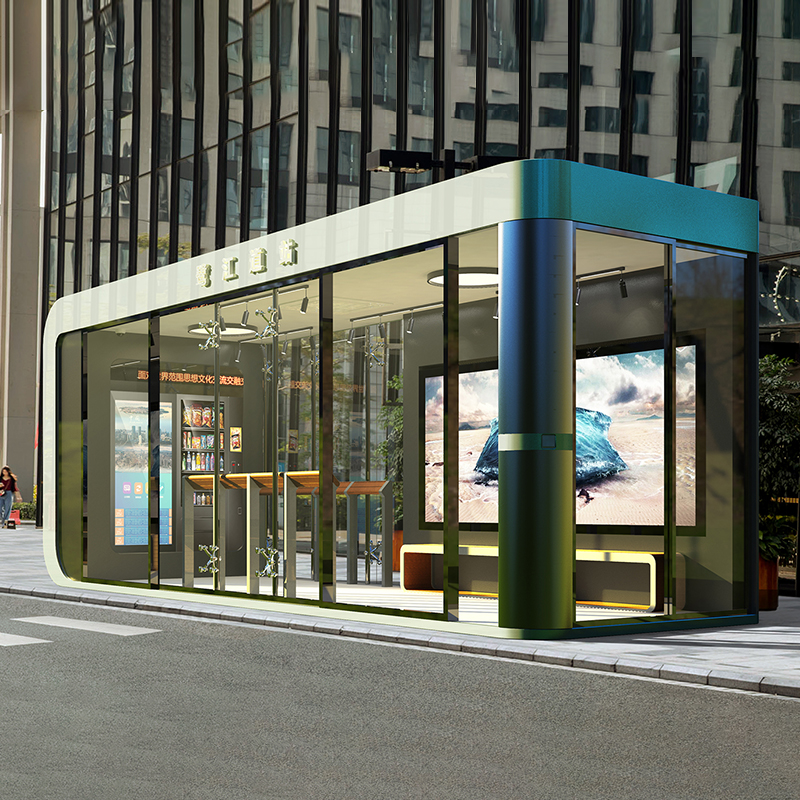
5. Tourist Navigation and Assistance
Tourism is an important part of many cities' economies, and urban service kiosks are playing an increasingly vital role in helping tourists navigate unfamiliar areas. Tourists often need assistance in finding their way around, locating landmarks, or identifying nearby attractions and services. Urban service kiosks can help by offering interactive maps, directions, and information about local landmarks.
For instance, a tourist might use a kiosk to find the fastest route to a museum, learn about the opening hours of a nearby restaurant, or discover guided tour options. Some kiosks even feature multilingual support, making it easier for international visitors to access helpful information in their native languages.
These kiosks also provide a sense of security for tourists, who may feel more comfortable when they know there’s always a place to get directions or ask questions. This improves the overall experience of exploring a city, making it easier and more enjoyable for visitors to access the information they need.
6. Future of Urban Service Kiosks: A More Integrated, Smart Experience
Looking ahead, urban service kiosks will become even more integrated with smart city infrastructure, enabling a seamless interaction between citizens, visitors, and urban services. With advancements in artificial intelligence (AI) and machine learning, future kiosks will become more intuitive, offering personalized recommendations based on a user’s preferences and past interactions.
In addition to their current functions, these kiosks may incorporate features such as contactless payments, QR code scanning, and even augmented reality (AR) to further enhance the user experience. For example, AR could allow users to see virtual tours of landmarks or interactive displays showing historical facts about a city’s culture and heritage.
As smart cities evolve, the role of urban service kiosks will continue to expand, making them an even more integral part of urban living. They will not only provide essential services but also contribute to creating more connected, sustainable, and efficient urban environments.
Conclusion
Urban service kiosks are transforming the way cities interact with their residents and visitors. By offering a wide array of services, from information queries and government services to advertising and tourist navigation, these kiosks are becoming essential tools for enhancing the urban experience. They are improving efficiency, accessibility, and convenience while helping to create a more connected and sustainable city environment.
As technology continues to advance, the future of urban service kiosks holds exciting possibilities. These kiosks will become even smarter, more integrated with city infrastructure, and better equipped to meet the needs of a rapidly changing urban landscape. Whether providing real-time information, promoting local businesses, or assisting tourists, urban service kiosks are poised to play a significant role in shaping the future of city interaction.
As cities continue to embrace these innovations, companies like Shanghai Zemso Urban Furniture Technology Co., Ltd. are leading the way in the development and production of cutting-edge urban service solutions that contribute to the smart city revolution.


