Urban service kiosks are transforming how citizens interact with city infrastructure, providing centralized access points for information, services, and digital connectivity. These interactive terminals represent a cornerstone of modern smart city initiatives, bridging the gap between digital services and physical urban environments. As cities worldwide embrace digital transformation, these multifunctional structures are becoming essential components of the urban landscape.
The global smart city market is projected to reach $6.9 trillion by 2030, with urban service kiosks playing an increasingly vital role in this ecosystem. According to recent industry reports, digital information kiosks for smart cities are expected to grow at a CAGR of 16.8% between 2025-2030, reflecting their expanding utility and adoption across diverse urban environments. This growth is driven by increasing demand for accessible public services, the need for digital inclusion, and the push for more efficient city operations.
From transportation hubs to commercial districts, these interactive urban service stations are revolutionizing how people navigate, access information, and utilize public services. They serve as physical touchpoints for digital city infrastructure, making smart city benefits tangible and accessible to all citizens regardless of their technical proficiency.
The Evolution and Technological Advancement of Urban Service Kiosks
The journey of public information terminals has undergone significant transformation, evolving from simple static displays to sophisticated interactive systems that serve as gateways to a wide array of digital services and information.
From Basic Information Points to Multifunctional Service Stations
The evolution of city service kiosks reflects broader technological advancement and changing urban needs:
First Generation (1980s-1990s): Early information kiosks featured basic displays with limited interactivity, primarily providing maps and directories in shopping malls and tourist locations.
Second Generation (2000s): Touch screen city information points emerged with improved interfaces, allowing simple interactions and offering expanded information access, though still primarily serving single purposes.
Third Generation (2010-2015): Internet-connected kiosks appeared, providing web browsing capabilities and limited public services such as bill payment or ticket purchasing.
Fourth Generation (2016-2020): Integrated service kiosks combining multiple functions emerged, featuring improved durability, better connectivity, and more sophisticated service offerings.
Current Generation (2021-Present): Modern multi-function smart city kiosks now feature advanced connectivity options, environmental sensors, contactless interactions, AI capabilities, and integration with broader smart city ecosystems.
This evolution represents not just technological advancement but a fundamental shift in how cities conceptualize public service delivery, moving from isolated information points to integrated service hubs that connect citizens with the entire urban digital ecosystem.
Core Technological Components of Modern Smart Kiosks
Today's advanced urban service kiosks incorporate several key technologies that enable their expanded functionality:
High-Resolution Displays: Weatherproof, sunlight-readable screens with anti-vandalism protection ensure visibility under various conditions.
Multi-Touch Interfaces: Capacitive touchscreens with glove-compatible operation allow intuitive interaction for all users.
Edge Computing Capabilities: On-device processing power enables real-time responses and operation even during connectivity interruptions.
Multi-Network Connectivity: Combination of 5G, Wi-Fi, Ethernet, and Bluetooth provides robust connection options.
Environmental Sensors: Integration of air quality, noise, temperature, and other environmental monitors turns kiosks into data collection nodes.
Power Management Systems: Energy-efficient components, solar options, and intelligent power management maximize uptime while minimizing consumption.
Security Features: Physical hardening, data encryption, secure boot processes, and privacy-preserving technologies protect both the kiosk and user information.
Accessibility Technologies: Screen readers, adjustable height interfaces, and multiple interaction methods ensure usability for people with different abilities.
These components work together to create versatile platforms that can deliver a wide range of services while withstanding the demands of public deployment and evolving alongside urban digital infrastructure.
Application Scenarios for Urban Service Kiosks in Smart Cities
Urban service kiosks find utility across various environments, with deployment strategies tailored to location-specific needs and user behaviors.
Transportation Hub Applications
Public transportation networks benefit significantly from strategically placed information service kiosks:
Real-Time Transit Information: Displays up-to-the-minute arrival and departure times, service disruptions, and alternate route suggestions.
Interactive Wayfinding: Provides customized directions with accessibility options, helping passengers navigate complex transit interchanges.
Ticketing Services: Enables ticket purchase, fare card reloading, and account management to reduce lines at traditional service counters.
Tourist Information: Offers multilingual guidance for visitors, including attractions near transit stops and transportation pass options.
Emergency Communications: Serves as direct lines to security personnel or emergency services within stations and terminals.
ZEMSO's Urban Service Kiosk ZEMSO-FWT-0001 features weather-resistant design and high-brightness displays particularly suited for outdoor transit locations, ensuring information remains accessible even in challenging environmental conditions.
Commercial Districts and Tourism Destinations
Retail environments and visitor attractions leverage urban wayfinding kiosk solutions to enhance customer experiences:
Business Directories: Provide searchable listings of stores, restaurants, and services with filtering options based on categories or current promotions.
Event Information: Highlight upcoming events, performances, and special offers within commercial districts.
Interactive Maps: Feature 3D visualizations of complex shopping centers or tourism precincts with step-by-step navigation.
Product Searching: Enable visitors to locate specific products across multiple retailers in a shopping district.
Multilingual Support: Offer information in multiple languages to serve international tourists and diverse local populations.
Loyalty Program Integration: Allow users to check points, access special offers, or participate in district-wide reward programs.
The City Service Kiosk ZEMSO-FWT-0010 offers elegant design options that complement upscale retail environments while providing robust functionality for high-traffic commercial areas.
Government Services and Community Communication
Municipal services benefit from accessible digital touchpoints throughout urban environments:
Government Service Access: Provide interfaces for common municipal services such as permit applications, tax payments, or appointment scheduling.
Public Information Distribution: Share community announcements, public health information, or emergency notifications.
Civic Engagement Tools: Facilitate community feedback, surveys, and participation in local planning processes.
Document Printing: Enable citizens to access and print government forms, certificates, or receipts.
Video Conferencing: Connect residents with government representatives for remote assistance with complex issues.
Digital Inclusion: Provide internet access for residents without home connectivity, helping bridge the digital divide.
ZEMSO's Outdoor City Service Kiosk ZEMSO-FWT-0013 features hardened security features and privacy screens particularly appropriate for handling sensitive citizen information in public government service applications.
Functional Comparison and Feature Analysis of Smart Kiosks
The urban service kiosk market includes various product categories with distinct capabilities suited for different deployment scenarios and requirements.
Basic, Multifunctional, and AI-Enhanced Kiosk Comparison
Different tiers of smart city touchscreen information points offer varying levels of functionality and capabilities:
| Feature | Basic Kiosks | Multifunctional Kiosks | AI-Enhanced Kiosks | ZEMSO AI+Smart Models |
| Display Technology | Standard touchscreen | High-brightness, multi-touch | Ultra-bright, multi-touch with gesture | Adaptive brightness with anti-glare |
| Processing Capability | Entry-level | Mid-range | Edge AI computing | Advanced AI processing with predictive analytics |
| Connectivity Options | Wi-Fi or Ethernet | Wi-Fi, Ethernet, 4G | Wi-Fi, Ethernet, 5G, Bluetooth | Multiple redundant connections with failover |
| User Authentication | None or basic | Card reader, QR code | Biometric, touchless | Multi-factor with privacy protection |
| Power Requirements | Standard outlet | Energy-efficient design | Solar options available | Hybrid power with battery backup |
| Environmental Sensors | None | Basic (temperature, humidity) | Comprehensive (air quality, noise, etc.) | Full environmental suite with predictive maintenance |
| Interaction Methods | Touch only | Touch, keyboard | Voice, touch, gesture | Adaptive interface based on user behavior |
| Accessibility Features | Basic | Moderate | Comprehensive | Universal design with personalization |
| Maintenance Requirements | Regular physical checks | Remote monitoring | Self-diagnostic | AI-powered predictive maintenance |
| Typical Applications | Simple information display | Multiple services | Integrated city systems | Complete smart city hub |
| Typical Cost Range | Lower investment | Mid-range investment | Premium investment | Customizable based on feature set |
ZEMSO's tiered approach to urban service kiosk development provides options across these categories, with particular strengths in the AI+Smart category through their advanced integration capabilities.
Indoor vs. Outdoor Kiosk Design Considerations
Weather-resistant outdoor information kiosks face different challenges compared to indoor installations:
Outdoor Kiosks
Require IP65 or better waterproofing to withstand rain and environmental exposure
Need high-brightness displays (1000+ nits) for sunlight readability
Must operate in extreme temperature ranges (-20°C to +50°C)
Require vandal-resistant construction and anti-graffiti coatings
Need robust physical security features to prevent theft or tampering
Benefit from solar power options to reduce infrastructure requirements
Must include lightning protection and proper grounding
Indoor Kiosks
Can use standard display brightness (300-500 nits)
Operate in controlled climate conditions
May emphasize aesthetic design integration with architectural elements
Can be lighter weight with less environmental hardening
Often feature larger or multiple displays for enhanced information presentation
Can rely on standard power infrastructure
May emphasize quieter operation for library or museum environments
ZEMSO's retail service kiosks for urban environments feature modular designs that can be configured for either indoor or outdoor deployment with appropriate feature adjustments for each environment.
Key Considerations for Urban Service Kiosk Deployment
Successful implementation of public service kiosks in modern urban planning requires careful attention to several critical factors that impact their effectiveness and sustainability.
Location Selection and User Traffic Analysis
Strategic placement significantly impacts kiosk utilization and return on investment:
Pedestrian Flow Analysis: Deployment in high-traffic areas with natural pedestrian patterns increases usage rates by 40-60%.
Dwell Time Zones: Locations where people naturally wait (transit stops, queuing areas) show 30% higher engagement than pathways.
Visibility Factors: Kiosks positioned with clear sightlines from multiple approaches receive 25% more interactions than those in corners or recessed areas.
Complementary Services: Placement near related services (tourist information near attractions, payment kiosks near government offices) increases relevance and usage.
Space Requirements: Adequate surrounding space ensures accessibility and prevents congestion during peak usage periods.
Competitive Considerations: Avoiding overlap with existing information sources while filling service gaps optimizes the kiosk network value.
Future Development Alignment: Coordination with planned urban development ensures kiosks remain relevant as city landscapes evolve.
Advanced location analytics using mobile device data and pedestrian counting systems can provide quantitative insights to optimize placement decisions.
Durability, Maintenance, and Sustainability Considerations
Long-term operational success depends on thoughtful design and planning:
Lifecycle Planning: High-quality urban service kiosks typically have 7-10 year lifespans, with component updates possible to extend useful life.
Maintenance Accessibility: Modular designs allow for rapid repairs and component replacements without extended downtime.
Remote Monitoring: IoT-enabled diagnostics reduce physical inspection requirements by up to 70%, lowering operational costs.
Energy Efficiency: Latest-generation kiosks consume 40-60% less energy than models from 5 years ago through optimized components and power management.
Material Selection: Recycled and recyclable materials reduce environmental impact while maintaining necessary durability.
Upgrade Pathways: Software-defined functionality enables feature expansion without hardware replacement, extending useful lifespan.
Climate Resilience: Increasing environmental hardening requirements address rising concerns about extreme weather events.
ZEMSO's approach to durability includes marine-grade stainless steel construction in their premium models, providing exceptional corrosion resistance in coastal or high-pollution environments.
Accessibility and Inclusivity Principles
Effective public service requires universal usability:
Physical Accessibility: Consideration of reach ranges, wheelchair clearance, and interaction heights ensures usability by people with mobility differences.
Visual Accessibility: High-contrast interfaces, adjustable text sizes, and screen reader compatibility accommodate various visual abilities.
Cognitive Accessibility: Simple, consistent interfaces with clear iconography support users with different cognitive abilities and language proficiencies.
Language Support: Multilingual options address diverse community needs and support international visitors.
Privacy Considerations: Screen positioning and viewing angle limitations protect sensitive information during public interactions.
Alternative Input Methods: Support for touchless interactions, voice commands, and external device connectivity accommodates different user needs and preferences.
Feedback Mechanisms: Continuous improvement through user experience monitoring ensures evolving accessibility as standards and technologies advance.
Universal design principles benefit all users, not just those with disabilities, by creating more intuitive and flexible interaction experiences.
Implementation Case Studies and Benefit Analysis
Examining successful deployments provides valuable insights into best practices and expected outcomes for city service kiosks with charging capabilities.
Global Urban Implementation Examples
Cities worldwide have integrated urban service kiosks with varying approaches and results:
New York City (USA): Deployed over 1,800 LinkNYC kiosks, providing free Wi-Fi, phone calls, device charging, and city services. Usage data shows over 5 million unique users annually.
Barcelona (Spain): Implemented interactive tourism information digital kiosks throughout the city center, resulting in a 23% increase in tourist engagement with lesser-known attractions.
Singapore: Integrated service kiosks in its Smart Nation initiative provide over 400 different government services, reducing in-person office visits by approximately 30%.
Seoul (South Korea): Deployed multi-function kiosks focused on elderly users, featuring simplified interfaces and commonly used services, increasing digital service adoption among seniors by 45%.
Amsterdam (Netherlands): Installed solar-powered information points along cycling routes, combining tourist information with bicycle repair stations and route planning.
Dubai (UAE): Implemented advanced service kiosks in transportation hubs offering 24/7 government services, reducing administrative overhead while extending service availability.
ZEMSO has contributed to similar successful deployments across multiple international markets, with their Urban Service Kiosk ZEMSO-FWT-0001 and City Service Kiosk ZEMSO-FWT-0010 models featuring prominently in several Asian and Middle Eastern smart city initiatives.
Return on Investment and Social Value Assessment
The value proposition of urban service kiosks extends beyond direct financial returns:
Quantitative Benefits
Service transaction cost reduction: 60-80% lower per transaction compared to staffed service points
Operational hours extension: 24/7 service availability without staffing cost increases
Data collection value: Environmental and usage metrics provide valuable urban planning insights
Revenue generation potential: Advertising or sponsored content can offset 30-50% of operational costs
Staff reallocation: Personnel shifted from routine transactions to more complex citizen services
Qualitative Benefits
Improved citizen satisfaction through convenient service access
Enhanced visitor experiences in tourism districts
Reduced digital divide through public technology access
Strengthened city brand image as innovative and citizen-focused
Increased emergency preparedness through communication infrastructure
Greater inclusion for underserved populations
Cost-benefit analyses typically show break-even periods of 3-5 years for comprehensive kiosk networks when all value factors are considered, with longer-term benefits continuing throughout the service life.
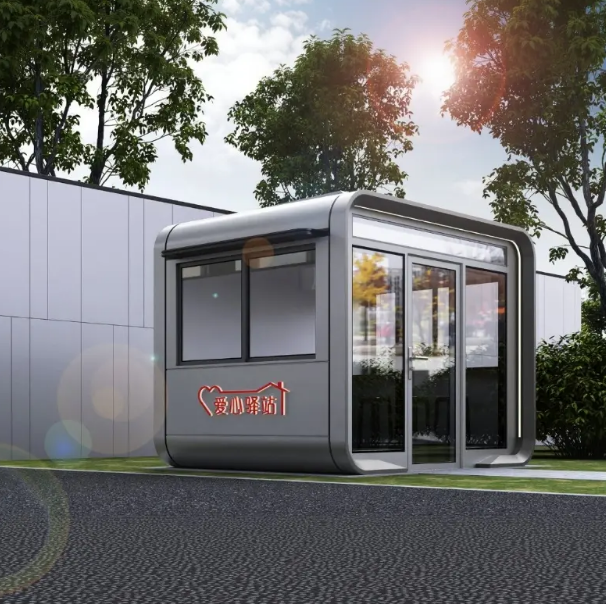
Future Trends and Innovation in Urban Service Kiosks
The evolution of government service kiosks for public spaces continues as technologies advance and urban needs evolve.
Emerging Technologies and Integration Directions
Several key trends are shaping the next generation of urban service kiosks:
Contactless Interactions: Advanced gesture recognition, voice control, and smartphone integration are reducing the need for physical contact with public surfaces.
Biometric Authentication: Secure facial recognition or fingerprint verification enables personalized services while maintaining privacy.
Edge AI Processing: On-device artificial intelligence is enabling smarter, more responsive interactions without constant cloud connectivity.
Augmented Reality Integration: Overlaying digital information onto real-world camera views provides enhanced wayfinding and contextual information.
Modular Hardware Platforms: Ecosystems of compatible components allow cities to customize and upgrade kiosk functionality without complete replacement.
IoT Ecosystem Integration: Kiosks are becoming hubs for broader networks of urban sensors and systems, centralizing data collection and citizen interaction.
Digital Twin Connectivity: Integration with city-wide digital twins provides contextual awareness and predictive capabilities to kiosk services.
Circular Economy Design: New approaches emphasize longevity, repairability, and eventual recycling of components.
ZEMSO's research and development roadmap aligns with these trends, with particular emphasis on AI+Smart capabilities that position their products for the next wave of smart city evolution.
Addressing Emerging Urban Challenges
Future urban service kiosks will help cities address pressing challenges:
Climate Resilience: Providing real-time environmental monitoring and emergency information during extreme weather events.
Public Health Response: Offering health information, screening tools, and service access during public health emergencies.
Aging Populations: Creating accessible interfaces for older citizens to access digital services without technical barriers.
Digital Privacy: Implementing transparent data practices that balance service personalization with privacy protection.
Infrastructure Efficiency: Maximizing the value of physical city assets through multifunctional capabilities and data-driven optimization.
The most forward-thinking urban planners are already incorporating these considerations into current kiosk deployment strategies, ensuring today's investments remain valuable as urban environments continue to evolve.
FAQs About Urban Service Kiosks
Q1: What is an urban service kiosk and how does it function in smart cities?
A1: An urban service kiosk is an interactive digital terminal installed in public spaces that provides access to information, municipal services, and digital connectivity. These kiosks function as physical access points to digital city infrastructure, typically featuring touchscreens, network connectivity, and specialized software to deliver services to citizens and visitors.
Q2: What are the main benefits of installing digital information kiosks in urban areas?
A2: The main benefits include improved access to city services, reduced administrative costs, 24/7 service availability, enhanced visitor experiences, digital inclusion for all citizens, real-time information distribution, environmental monitoring capabilities, emergency communication channels, and creation of data-driven insights for urban planning.
Q3: How do interactive urban service stations improve citizen engagement?
A3: Interactive kiosks improve engagement by making government services more accessible, providing intuitive interfaces for digital interactions, reducing barriers to participation in civic processes, offering multilingual support for diverse communities, providing feedback channels for citizen input, and creating touchpoints that blend digital and physical urban experiences.
Q4: What features should a modern smart city kiosk include?
A4: Modern kiosks should include high-resolution touchscreens, weatherproof construction for outdoor models, multiple connectivity options (Wi-Fi, 5G), accessible design features, environmental sensors, secure payment processing capabilities, device charging ports, emergency call buttons, cameras for interactive functions, energy-efficient components, and remote management capabilities.
Q5: How weatherproof are outdoor information kiosks?
A5: Quality outdoor kiosks typically meet IP65 or higher protection standards, withstanding direct water jets, dust, snow, and extreme temperatures ranging from -20°C to +50°C. They feature sealed enclosures, tempered glass screens, corrosion-resistant materials, drainage systems, internal climate control, and UV-resistant finishes to ensure reliable operation in diverse environmental conditions.
Q6: What is the typical return on investment for city service kiosks?
A6: The typical ROI period ranges from 3-5 years, considering both direct savings (reduced administrative costs, operational efficiencies) and indirect benefits (improved service accessibility, citizen satisfaction, tourism enhancement). Additional revenue streams from advertising or service fees can significantly improve financial returns, while data collection provides ongoing value for urban planning.
Q7: How do urban service kiosks support tourism and local businesses?
A7: Kiosks support tourism through multilingual information, interactive maps, event listings, ticket purchasing, personalized recommendations, and public Wi-Fi access. They benefit local businesses by increasing visibility through directories, driving foot traffic with wayfinding services, promoting events and offers, providing after-hours information, facilitating digital loyalty programs, and collecting valuable visitor data.
Conclusion
Urban service kiosks represent a critical bridge between digital urban services and the physical city environment, providing tangible touchpoints where citizens interact with smart city infrastructure. As cities continue their digital transformation journeys, these versatile platforms will increasingly serve as the visible face of municipal innovation and service delivery.
The most successful implementations treat kiosks not as standalone technology deployments but as integrated elements within comprehensive smart city strategies. By combining thoughtful placement, user-centered design, robust technology, and clear service objectives, urban planners can create kiosk networks that deliver meaningful improvements in city livability, operational efficiency, and citizen engagement.
ZEMSO Group's approach to urban service kiosk development exemplifies this holistic perspective, offering not just hardware solutions but comprehensive service ecosystems that can evolve alongside changing urban needs. As we look toward increasingly connected and responsive cities, these intelligent interfaces between citizens and services will continue to play a vital role in creating more accessible, efficient, and inclusive urban environments.


