In an era of rapid urbanization and evolving housing demands, modular container houses have emerged as a transformative solution for modern living. What was once considered a niche or temporary housing option has now evolved into a sophisticated, innovative, and sustainable approach to construction. Modular construction techniques enable faster build times, cost-effectiveness, and environmental benefits that traditional construction methods struggle to match. From residential units to commercial offices, modular container homes are redefining urban living and flexible architecture.
At the forefront of this innovation is Shanghai Zemso Urban Furniture Technology Co., Ltd., a company that has long recognized the potential of modular design to solve complex urban housing challenges. By combining state-of-the-art design, durable materials, and flexible modular systems, the company offers a wide range of prefabricated container housing solutions that are both functional and aesthetically appealing. This article explores the most stunning innovations in modular container house design, the benefits they bring to urban environments, and why they are becoming a preferred choice for cities and developers around the world.
The Rise of Modular Container Houses
From Temporary Shelters to Permanent Homes
Historically, container-based housing was associated with temporary or emergency accommodations. With the growing demand for affordable and sustainable housing, architects and developers began experimenting with modular container construction as a permanent solution. The inherent flexibility of shipping containers — standardized dimensions, robust steel structure, and portability — made them ideal building blocks for a variety of applications.
Today, modular container houses are not only used for residential purposes but also for offices, pop-up commercial spaces, schools, and community centers. Their modularity allows easy expansion, customization, and even relocation, offering urban planners and developers unmatched versatility.
Advantages Over Traditional Construction
Prefabricated modular homes offer several advantages:
Speed: Modular units can be constructed in a factory while site preparation occurs simultaneously, reducing overall project timelines.
Cost-Effectiveness: Factory production minimizes labor costs and material waste.
Durability: High-quality steel frames and weather-resistant panels ensure structural integrity and longevity.
Sustainability: Modular construction reduces construction debris and energy consumption while enabling recyclable materials use.
These benefits make modular container houses a compelling alternative for modern urban development, particularly in rapidly growing cities.
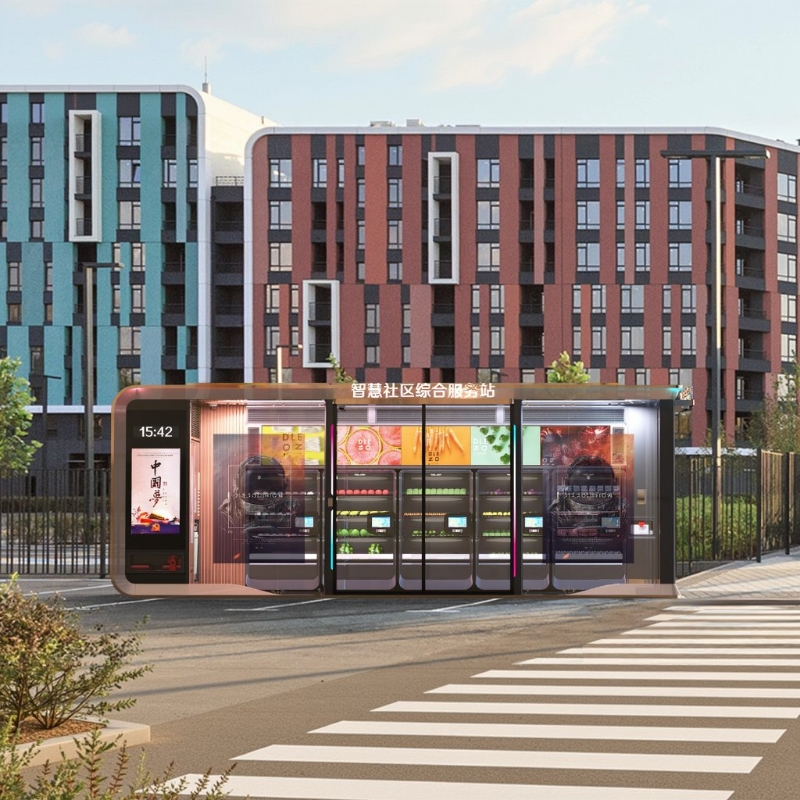
Innovative Design Features in Modern Modular Container Houses
Flexible Layouts and Customization
One of the most remarkable innovations in modular container homes is the ability to customize layouts to meet the specific needs of residents or commercial users. By combining multiple containers horizontally or vertically, developers can create multi-room apartments, office spaces, or even multi-story structures. Sliding partitions, foldable furniture, and adaptable walls further enhance the functionality of these units.
This flexibility allows cities to maximize limited urban space while providing high-quality living environments. Developers can design modular units that are both space-efficient and tailored to the lifestyle requirements of different occupants.
Sustainable and Eco-Friendly Materials
Modern modular container houses increasingly incorporate eco-friendly materials. Insulated panels, recycled steel, and non-toxic interior finishes reduce environmental impact and improve energy efficiency. Some designs integrate solar panels, green roofs, and rainwater harvesting systems, transforming these structures into sustainable urban habitats.
By prioritizing environmental considerations, modular housing solutions align with global sustainability goals while providing comfortable and healthy living conditions.
Prefabrication and Rapid Construction
Controlled Factory Production
One of the defining characteristics of modular container houses is prefabrication. In a controlled factory environment, all components are manufactured to exact specifications. This precision ensures consistent quality, minimizes errors, and allows multiple units to be produced simultaneously. Weather delays and on-site inefficiencies that typically affect traditional construction are virtually eliminated.
On-Site Assembly
Once prefabricated, modular container units are transported to the construction site and assembled with minimal disruption. Cranes and modular connectors enable rapid installation, often completing multi-unit structures within weeks rather than months. This speed is particularly advantageous in areas with high housing demand or where temporary accommodation needs to be rapidly deployed.
Integrating Technology in Modular Container Homes
Smart Home Capabilities
Modern modular container houses are not only structurally innovative but also technologically advanced. Smart systems for lighting, climate control, energy management, and security can be integrated seamlessly. Residents can control heating, air conditioning, or security systems through mobile apps, creating a fully connected living environment.
IoT and Data Monitoring
In larger multi-unit developments, IoT sensors embedded in modular units can monitor energy consumption, structural health, and environmental conditions. This data provides actionable insights for building management and city planners, contributing to more efficient urban infrastructure.
Outdoor and Multi-Functional Applications
Modular Commercial Spaces
Beyond residential applications, modular container units are being adapted for retail, offices, and pop-up commercial spaces. Flexible container designs enable businesses to deploy temporary or semi-permanent facilities without the expense of traditional construction. They can also be relocated or reconfigured as business needs change.
Community and Emergency Uses
Modular container houses are ideal for emergency housing, healthcare facilities, and temporary classrooms. Their portability and rapid assembly make them invaluable for disaster response or high-density urban developments requiring fast accommodation solutions.
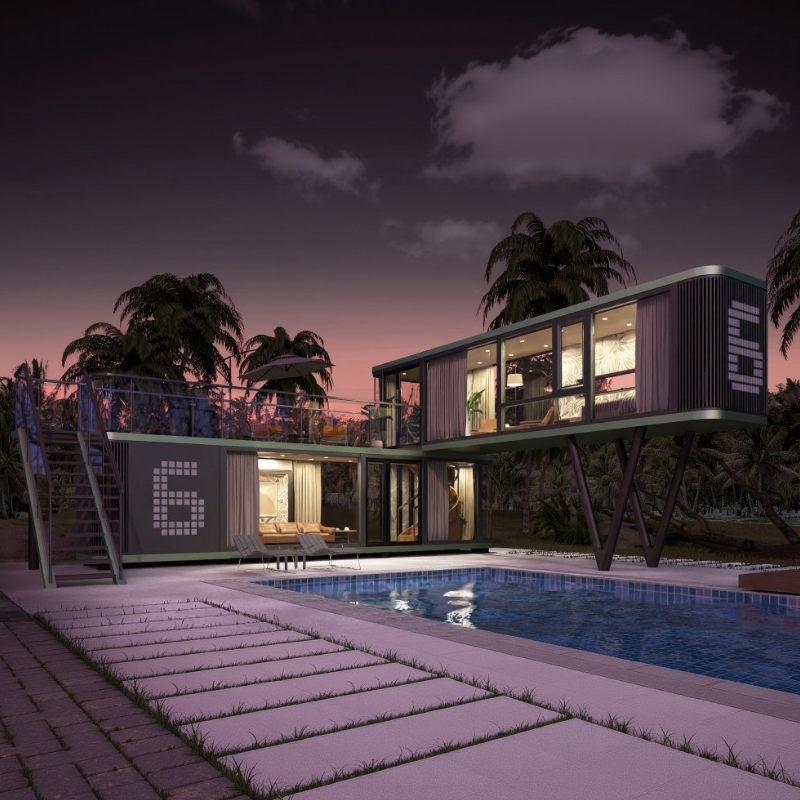
Innovative Features Enhancing Comfort
Insulation and Climate Control
Advanced modular container units incorporate high-performance insulation in walls, roofs, and floors to maintain comfortable indoor temperatures. HVAC systems can be integrated to provide heating, cooling, and ventilation. Insulated panels also help reduce energy consumption and enhance sustainability.
Acoustic Control
Urban environments can be noisy, and modular containers are increasingly designed with soundproofing features. Acoustic insulation, double-glazed windows, and vibration-damping materials improve privacy and indoor comfort, making these units suitable for both residential and commercial applications.
Interior Design and Aesthetic Flexibility
Modern modular units prioritize aesthetics alongside functionality. Interior finishes, lighting, and furniture can be customized to suit user preferences, creating spaces that feel contemporary, welcoming, and comfortable. Open-plan layouts, large windows, and flexible partitioning enable creative and efficient use of space.
Benefits for Urban Development
Affordable and Scalable Housing
Cities facing housing shortages benefit from the scalability of modular container houses. Developers can rapidly deploy clusters of units to meet demand, providing quality, cost-effective housing without prolonged construction delays.
Sustainability and Environmental Impact
Modular construction significantly reduces material waste and construction pollution. Using recyclable components, renewable energy integrations, and sustainable materials, these units support eco-conscious urban development and lower carbon footprints.
Flexible Urban Planning
The portability and modularity of container houses allow urban planners to adaptively use space, whether for temporary installations, expansion projects, or mixed-use developments. Modular units can also be reconfigured or relocated as community needs evolve, providing unmatched flexibility in city planning.
Case Studies and Real-World Applications
Residential Developments
In high-density urban areas, modular container apartments have been deployed to maximize space efficiency while maintaining quality of life. These developments often feature stacked container configurations with shared communal spaces and green areas.
Commercial and Mixed-Use Projects
Container-based offices and retail hubs are increasingly popular in business districts and cultural districts. Modular construction enables fast deployment, aesthetic versatility, and integration with urban infrastructure like transport and utilities.
Emergency and Temporary Deployments
During disaster relief efforts, modular container housing provides immediate shelter, medical facilities, and community spaces. Prefabrication allows rapid delivery, reducing response times and providing safe, functional environments in crises.
Future Trends in Modular Container Housing
Integration with Smart City Technologies
As urban environments adopt smart city frameworks, modular container houses are increasingly equipped with IoT devices, energy monitoring, and connectivity systems. This integration transforms individual units into data-generating nodes, contributing to city-wide insights and efficient resource management.
Modular Vertical Communities
Innovative designs are exploring vertical stacking of modular units to create high-rise container apartments, maximizing urban land usage. These vertical communities combine residential, commercial, and recreational spaces, illustrating the potential of container housing to reshape urban density.
Renewable Energy Integration
Future developments focus on solar panels, energy storage systems, and microgrid connections. By combining renewable energy with modular design, cities can support sustainable and resilient housing solutions.
Conclusion
Modular container houses — from prefabricated residential units to smart commercial spaces — are transforming urban landscapes through innovation, speed, and sustainability. By combining flexibility, rapid construction, advanced materials, and smart technology, these solutions address pressing urban challenges like housing shortages, sustainability demands, and the need for adaptable infrastructure.
From an industry perspective, Shanghai Zemso Urban Furniture Technology Co., Ltd. provides advanced modular container solutions that integrate technology with thoughtful design. Their offerings empower developers, planners, and municipalities to deliver scalable, sustainable, and high-quality housing and commercial spaces. For stakeholders seeking cutting-edge modular solutions, Shanghai Zemso represents a trusted partner for building the cities of tomorrow.
FAQ
Q: What is a modular container house?
A: A modular container house is a prefabricated building constructed from shipping containers or modular units, designed for rapid deployment, scalability, and adaptability.
Q: How does modular construction benefit urban development?
A: Modular construction reduces building time, minimizes waste, lowers costs, and allows flexible layouts for residential, commercial, or emergency applications.
Q: Can modular container houses be customized?
A: Yes. Interiors, layouts, materials, and exterior finishes can be tailored to client needs, including smart home technology and sustainable features.
Q: Are modular container houses sustainable?
A: Absolutely. They often use recyclable materials, renewable energy systems, and efficient prefabrication methods that reduce environmental impact.


