Contents
Introduction
The Rise of Modular Construction in Urban Development
Key Benefits of Modular Construction
The Role of Modular Container Houses in Urban Spaces
How Modular Construction Meets Urbanization Challenges
The Future of Modular Construction in Urban Landscapes
Case Studies: Successful Modular Construction Projects
Conclusion
FAQ
Introduction
Urbanization has become one of the defining trends of the 21st century, with more people moving into cities than ever before. As urban spaces continue to grow, traditional construction methods are being challenged to keep pace with the demand for faster, more efficient, and more sustainable building solutions. This is where modular construction comes into play. By utilizing pre-fabricated modules that are assembled on-site, modular construction promises to revolutionize how we approach urban development, enabling faster build times, cost savings, and minimal disruption to the environment.
In this article, we will explore how modular construction is transforming urban spaces, focusing on its speed, efficiency, and the role of modular container houses in addressing urban challenges.
The Rise of Modular Construction in Urban Development
Modular construction, also known as off-site construction, is not a new concept, but it is gaining increasing popularity in urban development due to its numerous advantages. This building method involves creating pre-fabricated sections (or "modules") of a structure in a factory setting, which are then transported to the construction site for assembly. Unlike traditional construction, which can take months or even years to complete, modular construction allows for buildings to be assembled much faster, reducing the overall construction timeline and minimizing labor costs.
As urban spaces continue to grow, the need for quicker and more sustainable building methods becomes more urgent. Modular construction meets this demand by providing a solution that can scale with the rapid pace of urbanization while minimizing disruptions to local communities and reducing the environmental impact of construction activities.
Key Benefits of Modular Construction
Speed: Building the Future in Record Time
One of the most significant advantages of modular construction is speed. Traditional construction methods often face delays due to weather, labor shortages, or unforeseen site conditions. In contrast, modular construction allows for simultaneous site preparation and module production, significantly cutting down on the total time required to complete a building.
The construction process is also more predictable. Since modules are built in a controlled factory environment, there is less risk of unexpected delays or complications. This streamlined approach results in faster delivery, often within a few months, compared to the extended timelines associated with conventional construction projects.
Efficiency: Optimizing Space and Resources
Modular construction also offers greater efficiency in terms of space utilization and resource management. By using standardized modules, construction teams can maximize the use of available space while reducing waste. This approach allows for better planning and design flexibility, resulting in structures that are both cost-effective and high-quality.
Another area where modular construction excels is resource efficiency. Pre-fabricated modules are built in factories, where they can be assembled with minimal waste and optimized use of materials. This method not only reduces costs but also lowers the carbon footprint of the construction process, contributing to more sustainable urban development.
The Role of Modular Container Houses in Urban Spaces
Affordable Housing Solutions
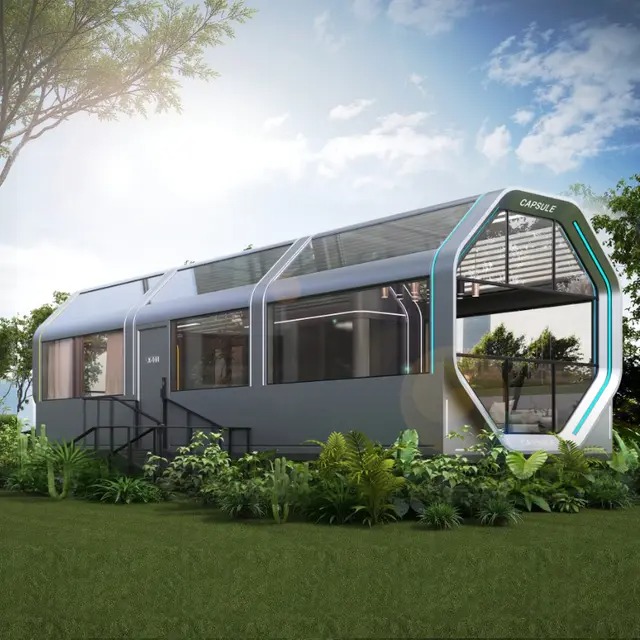
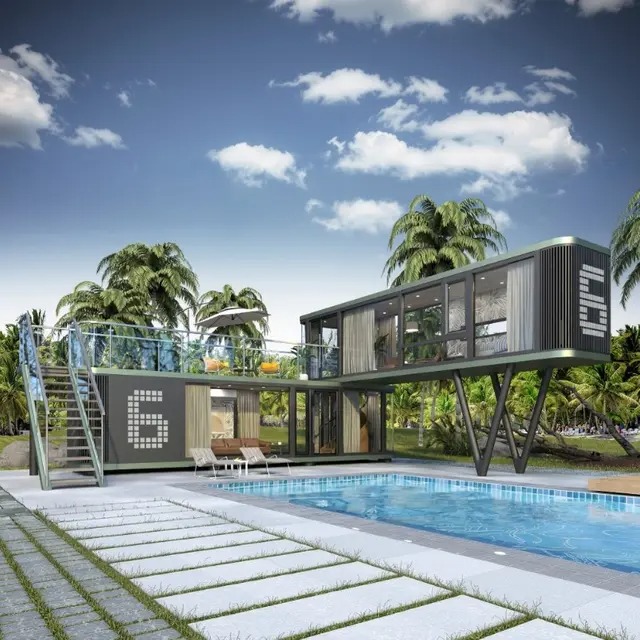
As urban populations swell, the demand for affordable housing has never been higher. Modular container houses, in particular, offer a compelling solution to the housing crisis in cities worldwide. These container-based structures are an efficient and cost-effective way to provide high-quality, temporary, or permanent housing in urban environments.
Modular container houses are particularly suitable for cities experiencing rapid growth or those with limited space. They can be quickly deployed, providing much-needed shelter in areas where traditional construction would be too slow or costly. Moreover, these homes can be easily customized to fit the specific needs of residents, offering flexibility in design and functionality.
Sustainability and Environmental Impact
In addition to being affordable, modular container houses offer significant environmental benefits. By repurposing shipping containers, these homes reduce the demand for new building materials and contribute to the circular economy. The use of recycled materials and efficient construction techniques further lowers their environmental impact.
Additionally, modular container houses can be designed with energy-efficient features such as solar panels, green roofs, and rainwater harvesting systems. These sustainable design elements help reduce the long-term environmental footprint of urban development and contribute to more eco-friendly cities.
How Modular Construction Meets Urbanization Challenges
Urbanization presents a range of challenges, including overcrowding, limited land availability, and the strain on infrastructure and resources. Modular construction offers solutions to many of these issues by enabling rapid, scalable, and flexible development that meets the growing needs of cities.
Space Efficiency: As cities become more densely populated, the demand for space becomes more critical. Modular construction allows for taller, more compact buildings that can make use of limited land while still providing the necessary living and working spaces.
Infrastructure Strain: With urban populations growing, infrastructure such as roads, schools, and healthcare facilities often struggle to keep up. Modular construction can be used to rapidly build and expand essential infrastructure, reducing the strain on existing systems and providing support to growing communities.
Affordable and Temporary Solutions: In areas where traditional construction is too slow or costly, modular buildings can serve as temporary shelters, offices, or community spaces. This flexibility is especially important in disaster relief efforts or when addressing housing shortages in rapidly growing cities.
The Future of Modular Construction in Urban Landscapes
Looking ahead, modular construction is poised to become a key player in the future of urban development. As technology continues to advance, we can expect even greater improvements in the efficiency, sustainability, and customization of modular buildings. For example, 3D printing and AI-driven design tools could further enhance the speed and accuracy of modular construction.
Additionally, the demand for modular buildings will continue to rise as cities strive to meet the challenges of rapid urbanization. With its ability to provide fast, affordable, and sustainable solutions, modular construction will likely play an increasingly important role in shaping the cities of tomorrow.
Case Studies: Successful Modular Construction Projects
Here are a few examples of how modular construction has successfully been used to transform urban spaces:
| Project Name | Location | Description | Outcome |
| The Smile Building | New York, USA | A 16-story modular apartment building | Completed in 15 months, 20% faster than traditional methods. |
| The Conflux Tower | Melbourne, Australia | Modular apartment complex | Built in just 18 months, offering sustainable housing solutions in a high-density area. |
| Container City | London, UK | A complex made from repurposed shipping containers | Successfully created affordable housing and office spaces in a rapidly growing urban area. |
These examples highlight the versatility and effectiveness of modular construction in addressing diverse urban needs, from housing to commercial spaces, while reducing construction time and costs.
Conclusion
Modular construction is revolutionizing the way we build and design urban spaces. By providing faster, more efficient, and more sustainable building solutions, it is addressing the pressing challenges of urbanization. Modular container houses, in particular, are helping to solve the affordable housing crisis in cities while reducing environmental impact. As cities continue to grow and evolve, modular construction will play a key role in shaping the future of urban landscapes.
FAQ
1. What is modular construction?
Modular construction involves building pre-fabricated modules in a factory setting, which are then transported to the construction site and assembled. This process reduces construction time, costs, and environmental impact.
2. How long does it take to build a modular container house?
The construction time for a modular container house is significantly shorter than traditional building methods. Depending on the complexity, it can take anywhere from a few weeks to several months to complete.
3. Are modular container houses sustainable?
Yes, modular container houses are highly sustainable. They often use recycled shipping containers, reducing the need for new materials. Additionally, they can be designed with eco-friendly features like solar panels and green roofs.
4. Can modular construction be used for large-scale urban projects?
Absolutely. Modular construction is scalable and can be used for a wide range of projects, from affordable housing to commercial and industrial buildings, making it ideal for large-scale urban development.
5. How do modular container houses compare to traditional homes?
Modular container houses offer a more cost-effective and faster alternative to traditional homes. They can be customized to meet specific needs and are often more sustainable due to their use of recycled materials. However, traditional homes may offer more flexibility in terms of design and layout.


