Modern cities demand intelligent infrastructure that not only serves functional needs but also enhances the experience of urban life. One of the most visible pieces of public infrastructure is the bus shelter — a seemingly simple structure that plays a vital role in daily commuting. Gone are the days when bus shelters were merely covered benches; today’s bus shelters are thoughtfully designed environments that combine comfort, safety, technology, and aesthetics to serve a diverse urban population.
In this article, we explore the 7 must-have elements in modern bus shelter design that make these structures efficient, attractive, and truly user-centric. With insights drawn from years of urban furniture design and production, Shanghai Zemso Urban Furniture Technology Co., Ltd. covers key principles that planners, designers, and city officials should consider when implementing or upgrading bus shelter projects.
1. Weather Protection and Structural Resilience
Providing Comfort in All Seasons
A primary function of any bus shelter is to provide protection from weather elements — rain, sun, snow, wind, and heat. Passengers waiting for transit may be exposed for extended periods, and without adequate shelter, this can lead to discomfort or even safety risks. Modern bus shelters therefore incorporate robust roofs, side panels, and strategic drip edges to channel water away from waiting areas.
In high rainfall regions, extended eaves and angled roofs help prevent splashing and pooling. In sunny climates, UV-resistant materials and shading elements contribute to heat reduction. Structural resilience also matters: using materials like galvanized steel, temper-glass, or high-grade polycarbonate ensures that bus shelters stand up to weathering and temperature fluctuations without compromising integrity.
Design for Diverse Climates
Urban planners must understand local climate patterns when specifying shelter geometry and materials. Reflective roof coatings for heat mitigation, wind break panels for cold regions, and properly sloped roofs for snow load strength are all part of ensuring that modern bus shelters are comfortable and durable.
2. Accessibility and Universal Design
Inclusive Spaces for All Users
A modern bus shelter should be accessible to everyone, including people with disabilities, seniors, parents with strollers, and travelers with luggage. Accessibility in shelter design goes beyond just adding a ramp; it includes adequate circulation space, clear sightlines, and seating arrangements that accommodate different needs.
Universal design principles call for features such as:
Barrier-free pathways leading to and through the shelter
Seating at multiple heights and grab rails for support
Contrast markings for improved visibility
Designated space for wheelchair users and priority seating
By integrating accessibility into the heart of shelter design, cities affirm their commitment to inclusive, human-centered infrastructure.
Compliance and Standards
Compliance with accessibility standards not only improves user experience but also meets legal requirements in many jurisdictions. Designers work closely with regulatory guidelines to ensure that bus shelters are welcoming for all segments of the population.
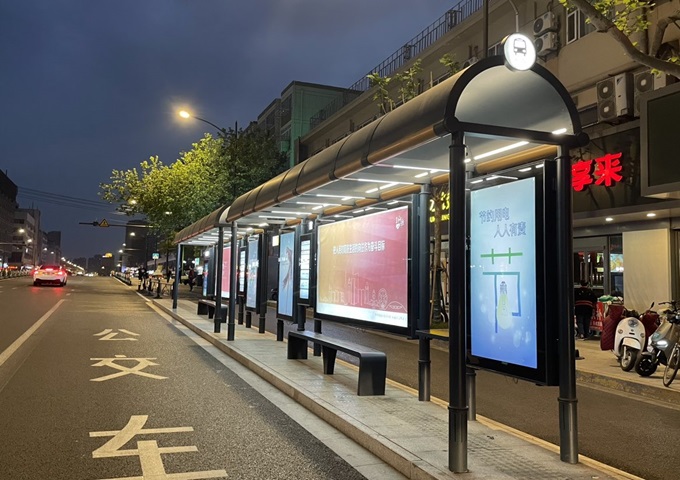
3. Comfortable Seating and Ergonomics
Seating That Matches Human Needs
Waiting at a bus stop can vary from a few seconds to several minutes. Comfortable seating is therefore essential to making the wait an acceptable experience. Modern bus shelters incorporate ergonomically designed benches with features such as:
Curved backrests for lumbar comfort
Weather-resistant materials that do not overheat or chill
Contoured seats reducing pressure points
Optional armrests that also serve as boundaries for multiple users
Seating is not only about physical comfort; it also contributes to the perceived quality of transit infrastructure. In city settings where people rely on public transport daily, well-designed seating enhances satisfaction and encourages public transit usage.
Materials and Durability
Seating materials are chosen for durability and ease of maintenance. Anti-corrosive metals, recycled plastics, and treated woods balance comfort with long-term performance in urban environments.
4. Lighting and Safety Features
Well-Lit Spaces for Nighttime Comfort
Lighting is a critical component of modern bus shelter design — it addresses both safety and comfort. Adequate lighting ensures that passengers feel secure during nighttime waiting and helps reduce crime or accidental injury. Designers integrate energy-efficient LED lighting that provides broad, glare-free illumination.
In addition to general lighting, strategic illumination on seating areas, nearby signage, and sidewalks encourages visibility and reduces shadows where risk may be higher. In some designs, lighting can be motion-activated to conserve energy while ensuring safety when needed.
Safety Features Beyond Light
Bus shelters increasingly include additional safety features such as:
Integrated camera mounting points for security monitoring
Emergency call buttons in high-risk areas
Reflective elements for better visibility to drivers
By combining lighting with thoughtful safety features, bus shelters create more trusting and user-friendly transit experiences.
5. Information and Wayfinding Solutions
Real-Time Transit Information
Modern commuters expect more than just a place to wait; they want information access. Bus shelters now often feature digital displays providing real-time transit schedules, arrival predictions, route maps, and service alerts. These informational elements empower users to plan and adjust their journeys efficiently, reducing uncertainty and perceived wait time.
Clear Wayfinding and Signage
Wayfinding extends beyond digital displays. Legible signage, route maps, and area information help passengers orient themselves quickly. Good wayfinding design considers factors such as:
Font size and readability
Color contrast for visibility
Multilingual support in diverse cities
Icons and graphical cues for universal understanding
By thoughtfully integrating information systems into bus shelter design, cities improve both usability and user satisfaction.

6. Aesthetic Integration and Urban Design Unity
Blending with Urban Fabric
Bus shelters are part of the cityscape. Aesthetic design ensures that shelters enhance the visual environment rather than detract from it. Shelters can reflect architectural themes, incorporate public art, or use materials that complement surrounding buildings and public spaces.
Contemporary designs focus on clean lines, modern materials, and flexible color schemes. Thoughtful aesthetics can even strengthen local identity and civic pride, transforming a mundane waiting area into a visually appealing urban feature.
Customization for Local Context
In areas with historic importance or distinct architectural character, bus shelters can be customized to harmonize with cultural context. Designers collaborate with city planners and community stakeholders to ensure that shelter aesthetics align with broader urban design goals.
7. Technology Integration and Smart Features
Beyond Basic Shelter Function
The most advanced bus shelters integrate smart technologies that transform them into multifunctional urban assets. Examples include:
Solar-powered lighting and charging ports
Wi-Fi hotspots for commuter connectivity
Environmental sensors for air quality monitoring
Interactive screens with transit and city information
These smart features extend the purpose of a bus shelter beyond mere waiting space — creating connected, responsive, and efficient urban nodes.
Sustainability and Energy Efficiency
Sustainable design is increasingly a priority in modern bus shelters. Solar panels, energy-efficient LEDs, and recyclable materials reduce environmental impact and operational costs. Green technologies align with city goals for sustainability and resilience.
Evaluating Material Choices for Performance and Durability
Structural Materials That Withstand Urban Conditions
Urban environments demand materials that can resist weathering, vandalism, and prolonged use. Common high-performance materials in bus shelter construction include:
Galvanized steel for structural frames
Tempered glass or polycarbonate for panels
Powder-coated finishes to reduce corrosion
Composite or metal bench surfaces for durability
These materials balance structural integrity with visual appeal, enabling shelters to endure diverse climates and intense usage.
Maintenance Considerations
Maintenance is an essential part of shelter performance. Designs that facilitate easy access for cleaning, part replacement, and inspection reduce long-term costs and keep shelters functional and attractive.
Balancing Form, Function, and Cost
Cost-Effective Design Strategies
Balancing the need for high performance and aesthetic quality with budget constraints is key. Modular designs streamline production and installation, while standardization of components reduces project costs. Thoughtful design also considers long-term operational expenses such as lighting, cleaning, and part replacement.
Lifespan and Lifecycle Value
Investing in quality materials and smart design pays off by reducing lifecycle costs. Lower maintenance requirements, fewer replacements, and energy-efficient components contribute to a higher return on investment for cities and transit authorities.
Real-World Applications and Case Studies
Transit Hubs and High-Demand Areas
In high-traffic urban centers, modern bus shelters play a strategic role in managing flow and comfort. Well-designed shelters improve passenger experience, reduce crowding stress, and integrate smoothly with transit hubs. They can even incorporate retail or commercial elements in some urban plans.
Suburban and Rural Considerations
In less dense environments, shelters prioritize weather protection and basic comfort features. Designers adjust scale, materials, and functionality based on expected usage patterns while preserving performance and durability.
Conclusion
The best modern bus shelter design does more than provide a place to wait — it elevates the user experience through weather protection, accessibility, comfort, safety, information access, aesthetic integration, and smart technology. By incorporating these 7 must-have elements, cities can create transit infrastructure that is efficient, durable, and pleasant to use.
As a company deeply involved in urban furniture and public infrastructure design, Shanghai Zemso Urban Furniture Technology Co., Ltd. understands the importance of these elements and offers solutions that meet the diverse needs of modern cities. For planners, architects, and transit authorities seeking reliable, high-quality bus shelter designs, we invite you to contact Shanghai Zemso to explore how advanced shelters can enhance urban transit experiences.
FAQ
Q: What materials are best for bus shelter durability?
A: High-performance materials such as galvanized steel, tempered glass, polycarbonate, and powder-coated finishes provide strength, weather resistance, and longevity.
Q: Why is accessibility important in shelter design?
A: Accessibility ensures that people of all abilities — including those with mobility challenges — can safely and comfortably use the shelter.
Q: How does technology integration improve bus shelter functionality?
A: Smart features like solar-powered lights, Wi-Fi, real-time transit displays, and environmental sensors provide comfort, connectivity, and sustainability.
Q: What is the role of aesthetics in bus shelter design?
A: Aesthetic integration enhances the visual environment, strengthens city identity, and ensures the shelter complements surrounding architecture.


