Product Parameters:
Smart Bus Shelter ZEMSO-HCT-0001 Specification |
| Model NO. | Zemso-HCT-0001 |
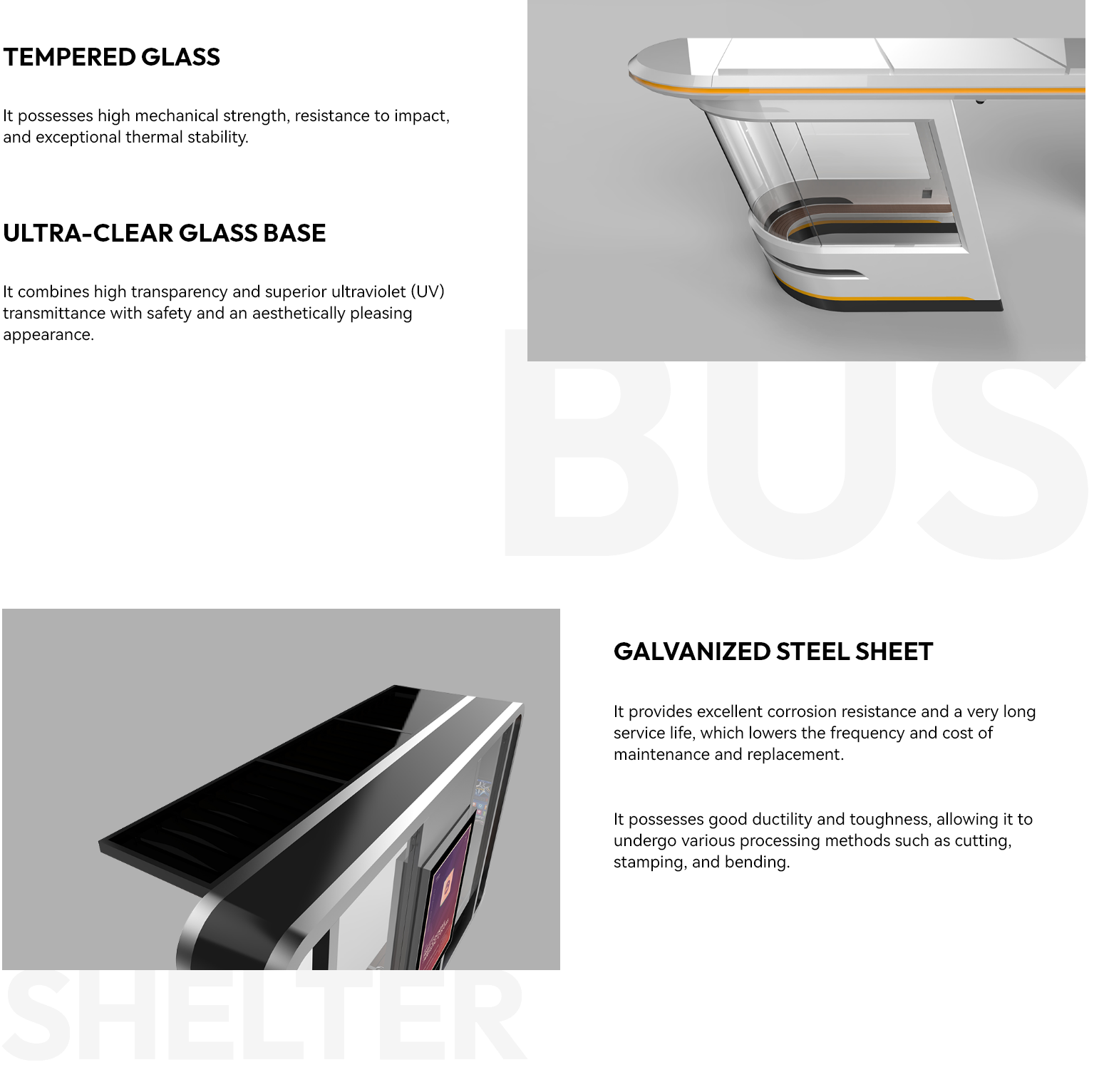
| Material | Galvanized Sheet/201/304 Stainless Steel |
| Process | Machining |
| Light | LED Lighting or Fluorescent Lamp |
| Light Source | Customized |
| Roof Material | PC or Metal Plate |
| Surface Finished | Painting |
| Visual Size | Customized |
| System | Scrolling or Static |
| Structure Material | Stainless Teel or Galvanized Steel |
| Light Boxes Panels | Temper Glass |
| Overall Size | Customized |
| Poster Size | Customized |
| Color | Customized |
| Power Supply | AC110V-240V / DC 12V /24V 50-60Hz |
| Transport Package | as Per Your Requirements |
| Specification | Customized |
| Trademark | ZEMSO |
| Origin | Shanghai, China |
| HS Code | 7308900000 |
| Production Capacity | 1000 Sets Per Month |
Product Description:
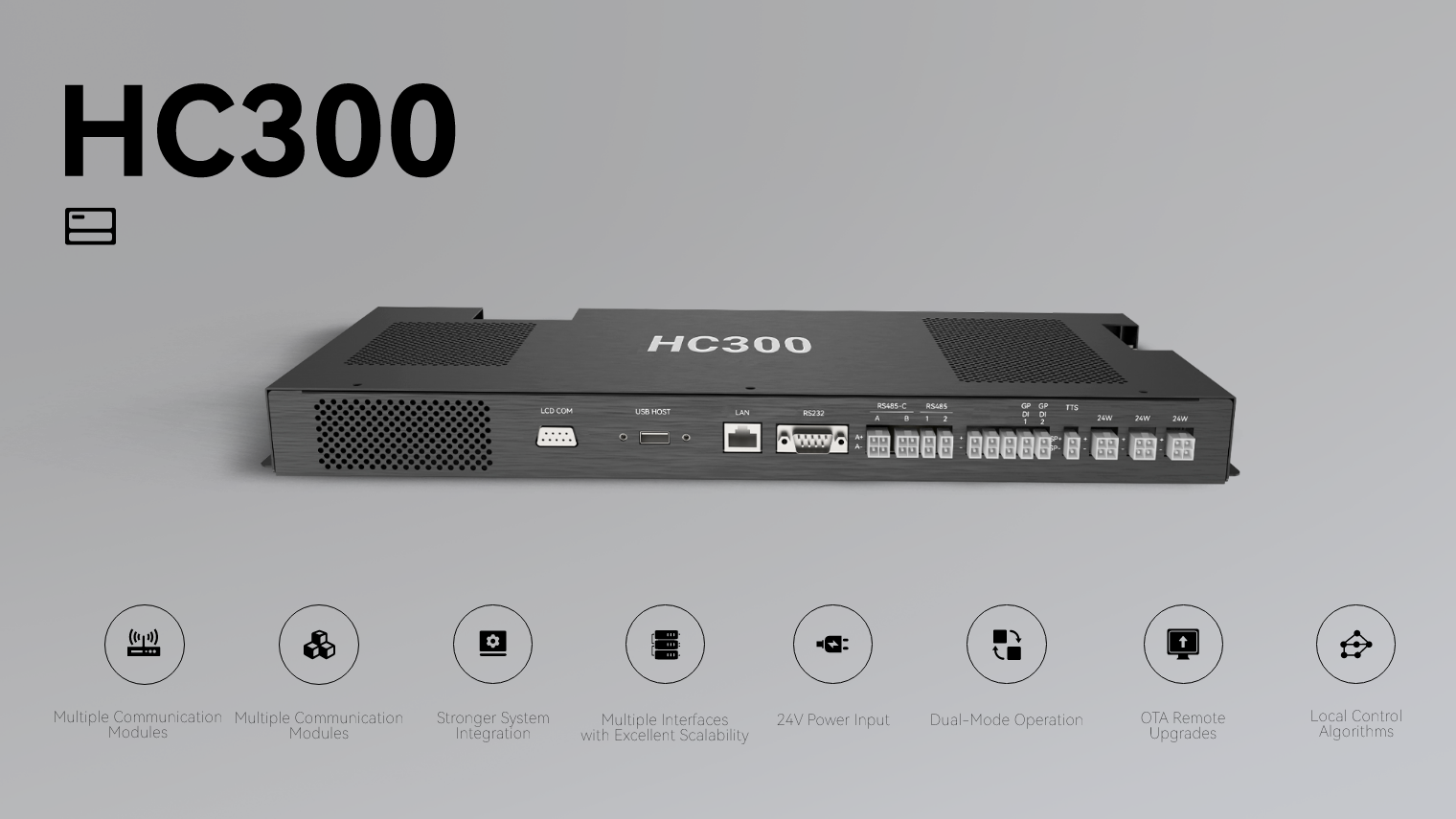
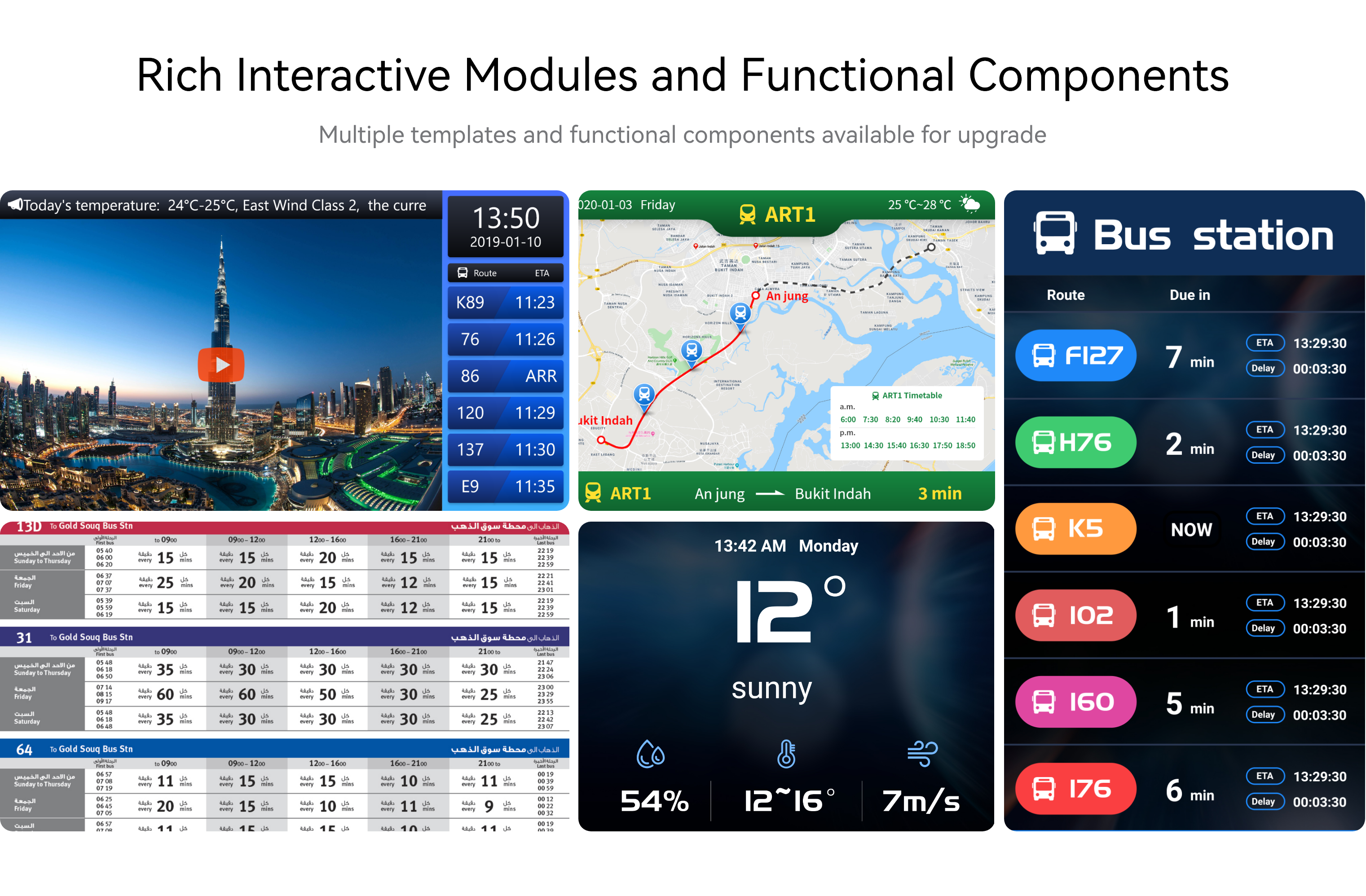
CENTRALIZED CONTROL MANAGER
The system adopts a dual-mode redundancy design, featuring an intelligent switching mechanism
between centralized control via the HC300 and autonomous discrete control of key peripheral
submodules. This ensures seamless operation of the distributed control system under both normal and
fault conditions. The device supports OTA (Over the Air) remote upgrades.
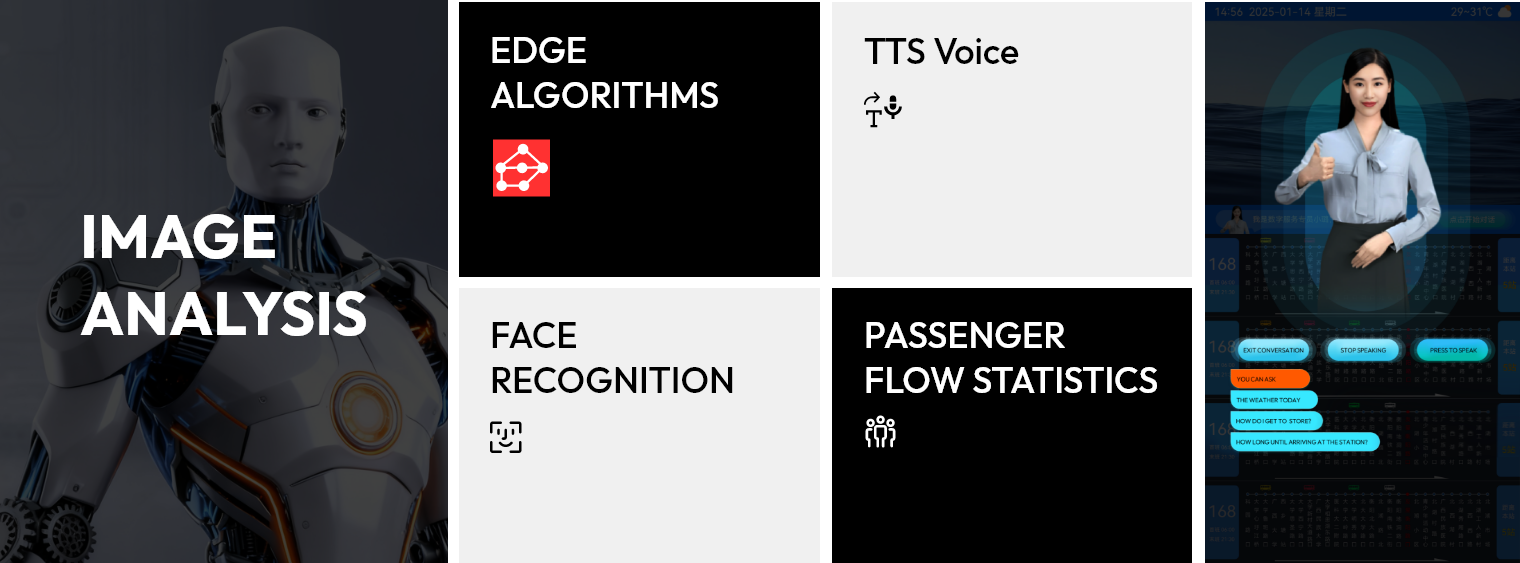
AI FEATURES
Image analysis, TTS, passenger flow statistics, edge algorithms …
Realize the integration of Al large models, build workflows for digital human
Q&A applications, and provide APl interfaces to the outside.end users
communicate with the digital human through touchscreen and voice interaction.
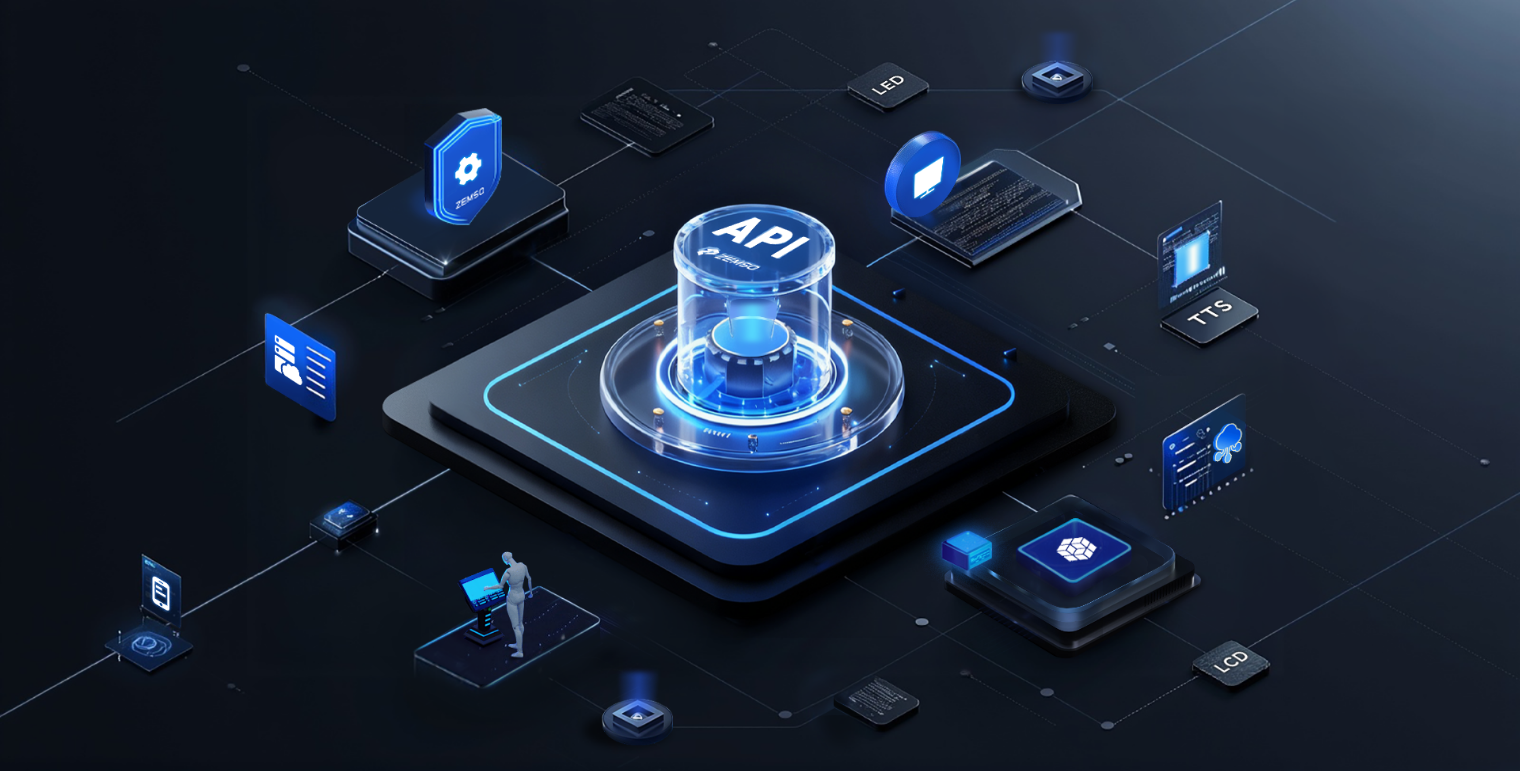
OPEN INTERFACES
Comprehensive standardized interfaces and security protocols are provided to enable the secure and
stable integration of diverse third-party hardware and software, thereby allowing for boundless
extension and integration of system functionalities.
ZEMSO Smart Bus Shelter
Making Cities Smarter and Travel More Convenient
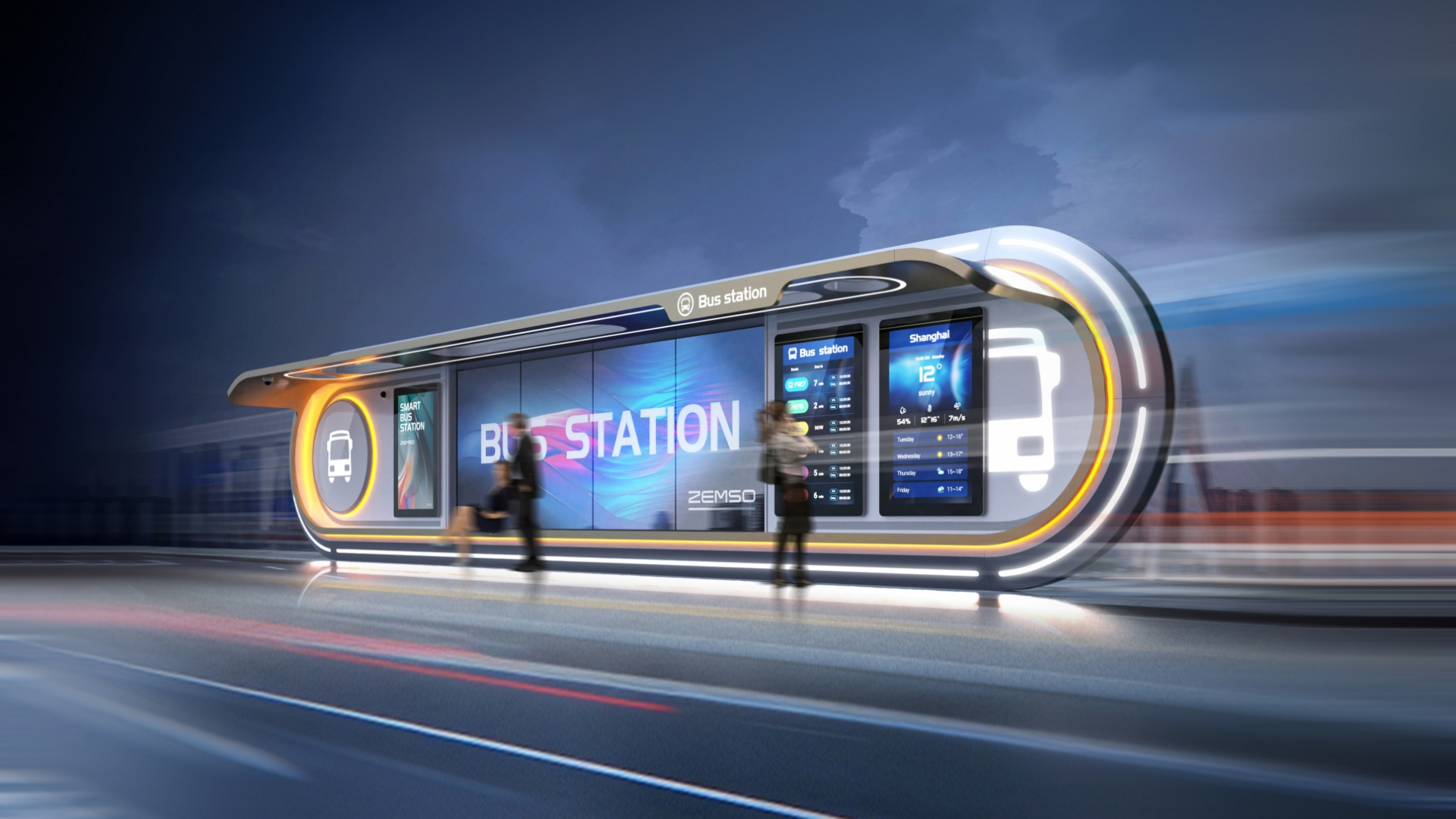
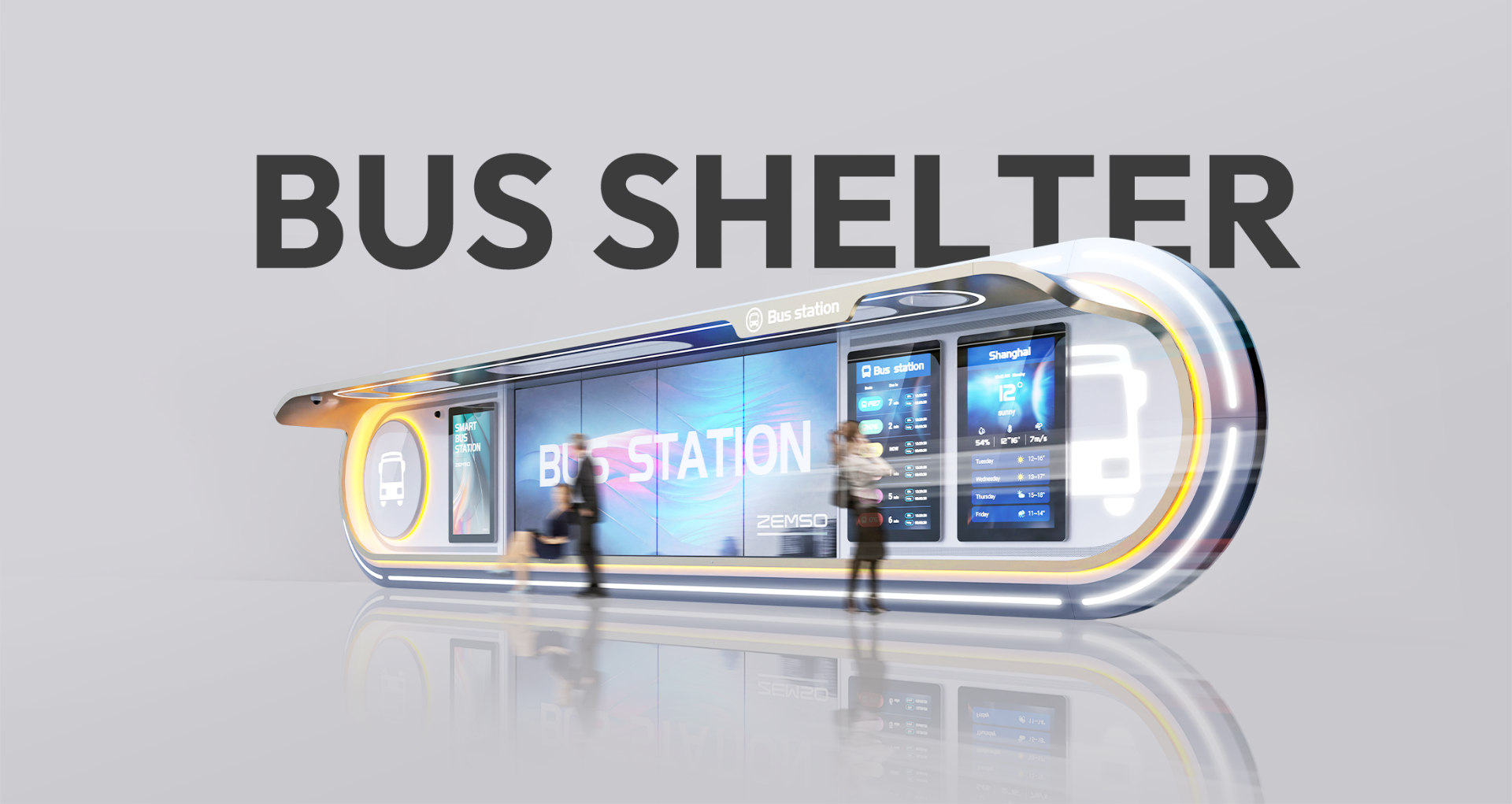
The AI-Powered Smart Multifunctional Bus Shelter ZEMSO-HCT-0001 integrates centralized control, AI-driven interaction, and modular system architecture to enhance modern urban infrastructure. Featuring a dual-mode redundant control system with HC300 centralized management and distributed autonomy, it ensures stable operation, OTA upgrades, and efficient coordination of all modules. With edge AI capabilities such as image recognition, TTS voice interaction, and passenger flow analytics, it enables real-time, data-driven services through touchscreen and voice interfaces. Its open architecture supports API integration and seamless connectivity with third-party systems, ensuring scalability for smart city applications.
Constructed with durable materials such as aluminum alloy and stainless steel, the shelter provides excellent weather resistance and long-term structural stability. OEM and ODM customization are available to meet diverse project requirements, including design, dimensions, and functional configurations, making it a flexible and reliable solution for intelligent urban transit systems.
FAQ
Q1: What makes this bus shelter “AI-Smart”?
The system integrates AI technologies such as image recognition, TTS voice interaction, passenger flow analytics, and digital human Q&A, enabling intelligent user interaction and data-driven decision-making.
Q2: What is the centralized control system used for?
The centralized control manager (HC300) enables unified management of all shelter modules. It features a dual-mode redundancy design, ensuring stable operation with automatic switching to distributed control when needed.
Q3: Can the system be updated remotely?
Yes. The shelter supports OTA (Over-the-Air) updates, allowing remote system upgrades without manual intervention, reducing maintenance costs and downtime.
Q4: How does the AI digital human function?
The system integrates AI large models to power a digital human interface. Users can interact via touchscreen or voice, asking questions and receiving real-time responses.
Q5: What kind of data can the system collect?
The system can collect and analyze:
Passenger flow statistics
User interaction behavior
Image-based environmental data
System operation status
Q6: Is the system compatible with third-party devices?
Yes. It provides open and standardized interfaces, enabling integration with third-party hardware, software, and smart city platforms securely and efficiently.
Q7: How does the system ensure stability and safety?
The system uses a dual-mode redundancy design, secure communication protocols, and distributed control mechanisms to ensure continuous operation even under fault conditions.
Q8: Can this bus shelter be customized?
Yes. The modular design and open architecture allow customization in:
Hardware configuration
AI functions
Interface integration
External design and branding


