As cities continue to grow and evolve, urban planning is increasingly focused on integrating smart technologies that promote sustainability, efficiency, and safety. One of the key innovations in modern urban development is the intelligent street lighting system, which is transforming how cities manage their lighting infrastructure. These smart street lights not only improve energy efficiency but also contribute to enhanced public safety, real-time monitoring, and better integration into smart city networks.
Intelligent street lighting systems, often referred to as smart street lights, are equipped with sensors, remote control capabilities, and data collection tools that make them more efficient, cost-effective, and adaptable. By combining the latest advancements in Internet of Things (IoT) technology, smart street lights play a crucial role in the broader shift toward creating sustainable, data-driven, and connected urban environments. This article explores how these lighting systems work, the benefits they bring to cities, and their pivotal role in the development of smart cities.
1. What Are Smart Street Lights?
Smart street lights are an advanced evolution of traditional street lighting, integrating sensors, communication networks, and data analytics to optimize performance and provide real-time adjustments based on environmental factors. These systems allow for more dynamic and responsive lighting solutions compared to the standard fixed lighting used in cities today.
The typical smart street light consists of a LED light fixture combined with sensors and communication capabilities. The key features of these systems include:
Remote control: Street lights can be managed remotely from a central control system, allowing for easy monitoring and adjustments.
Adaptive lighting: The intensity of the lights can automatically adjust based on the surrounding environment, such as time of day, weather conditions, or pedestrian activity.
Energy efficiency: LEDs and sensors help reduce energy consumption, saving cities significant costs on electricity bills.
Integrated sensors: These sensors can detect motion, weather, and air quality, providing valuable data for city planners and officials.
The integration of IoT technology in smart street lighting systems allows for continuous monitoring and data collection. This provides cities with real-time insights into everything from traffic patterns and air quality to weather changes and energy consumption, all of which are crucial for making data-driven decisions that improve urban living.
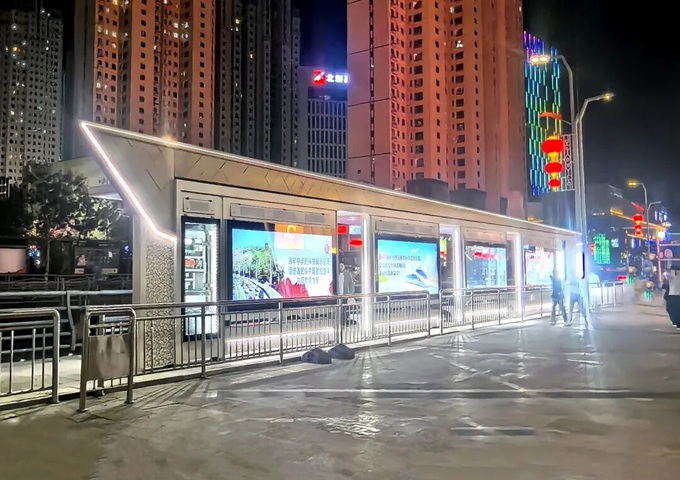
2. Energy Efficiency: A Key Benefit of Smart Street Lights
One of the primary advantages of smart street lights is their ability to improve energy efficiency. Traditional streetlights typically operate at full brightness throughout the night, regardless of the surrounding environment. This leads to wasted energy, especially in low-traffic areas or during off-peak hours.
Smart street lights address this issue by incorporating adaptive lighting technology. These lights can automatically adjust their brightness based on factors such as time of day, traffic flow, and weather conditions. For example, in an area with little to no pedestrian or vehicle traffic, the lights may dim to a lower setting, conserving energy while still providing sufficient illumination for safety.
Furthermore, LED technology used in smart street lights is far more energy-efficient than traditional incandescent or sodium lights. LEDs consume less power, have a longer lifespan, and provide brighter, clearer light with minimal environmental impact. The combination of adaptive lighting and energy-efficient LEDs can result in significant energy savings for municipalities.
Studies have shown that cities that implement smart street lighting systems can reduce their energy consumption by up to 50% or more, which can result in considerable cost savings over time. This reduction in energy use also helps cities reduce their carbon footprint, contributing to sustainability goals and improving environmental quality.
3. Remote Control and Management: Streamlining City Operations
Another crucial benefit of smart street lighting systems is their ability to be remotely controlled and managed. Traditional street lighting systems often require manual intervention for maintenance or adjustments, which can be time-consuming and expensive. In contrast, smart street lights are integrated with centralized management platforms that allow city officials to monitor, control, and adjust the lights from a distance.
For example, if a street light malfunctions or burns out, the system can automatically send a notification to the city's maintenance team. This ensures that the problem is addressed quickly, improving operational efficiency and minimizing downtime. In addition, the remote monitoring feature allows for real-time adjustments to be made based on changing conditions. If a city experiences a surge in traffic due to an event or an emergency, the street lights can automatically brighten or change their configuration to improve visibility and safety.
Remote control capabilities also allow for easy configuration and scheduling, enabling city officials to optimize the lighting based on specific needs. For instance, street lights can be programmed to dim after midnight when traffic decreases or brighten during busy hours to enhance safety. This flexibility is one of the most significant advantages of smart street lighting.
4. Improved Public Safety and Security
The role of street lights in promoting public safety cannot be overstated. Proper street lighting is essential for preventing accidents, deterring crime, and making public spaces feel safer. Smart street lights contribute to public safety in several ways.
First, the ability to adjust the brightness based on traffic conditions or time of day ensures that areas with higher foot traffic or vehicle movement are well-lit at all times, improving visibility and reducing the risk of accidents. In areas with little activity, the lights can automatically dim to save energy without compromising safety.
Second, many smart street light systems are equipped with motion sensors or cameras, which can detect unusual activity. For instance, if the system detects movement in an area where no cars or pedestrians should be, it could trigger an alert to local authorities or increase the brightness of the surrounding lights. This level of real-time surveillance enhances safety in urban areas, particularly in parks, parking lots, and other places that might otherwise be considered high-risk areas during the night.
In addition to reducing accidents and crime, the ability to remotely control the lighting allows city officials to respond quickly to emergencies or changing conditions. For example, if a public safety issue arises in a specific area, officials can adjust the street lights to provide better illumination for responders or evacuate a crowd.
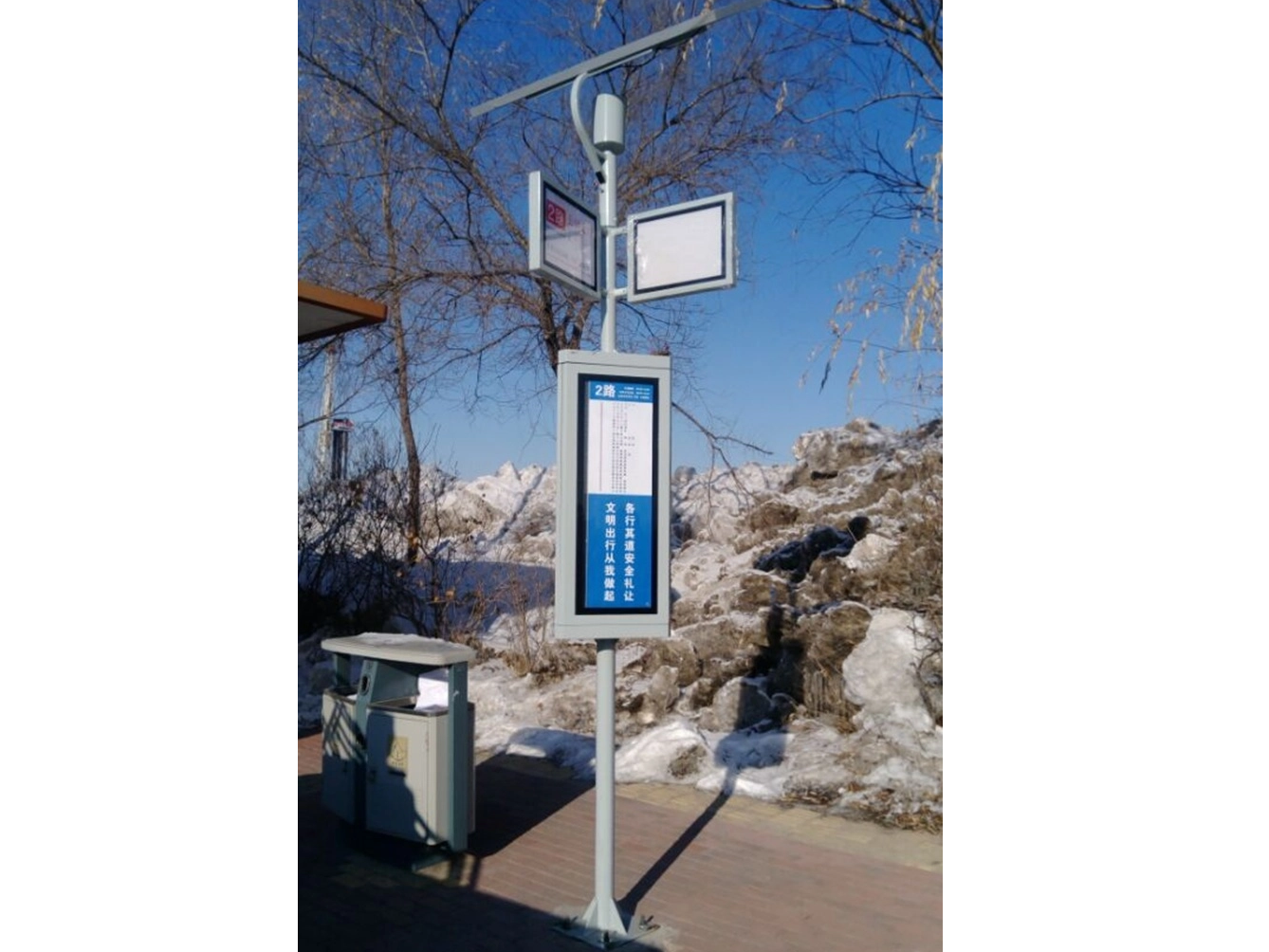
5. Integration with Smart City Networks
As cities continue to embrace the smart city concept, smart street lights are becoming a fundamental part of the urban infrastructure. These lights don’t just provide better lighting—they are becoming integrated into broader smart city networks that manage traffic, waste, water, and energy systems.
By connecting smart street lights with other city technologies, municipalities can gain valuable insights into urban dynamics. For example, the data collected from motion sensors in street lights can be used to monitor traffic flow or pedestrian activity, helping city planners optimize public transportation routes, improve public spaces, and enhance urban planning. This data also contributes to predictive maintenance, allowing cities to schedule repairs or upgrades before issues arise.
Additionally, smart street lights are contributing to 5G network expansion in many cities. By providing the infrastructure needed for wireless connectivity, these lights support the growth of the Internet of Things (IoT), creating a fully interconnected urban environment that enhances communication, efficiency, and service delivery.
6. The Role of Smart Street Lights in Smart Cities
As the concept of smart cities becomes a reality, smart street lights are positioned to play an increasingly important role. They are no longer just about lighting—they are becoming nodes in a larger network that facilitates data exchange, sustainability, and enhanced quality of life. The benefits of smart street lighting systems are evident, not only in terms of energy efficiency and safety but also in how they interact with other city systems to create a more connected, efficient, and sustainable urban environment.
Conclusion
Smart street lighting systems are shaping the future of urban infrastructure, offering significant benefits in terms of energy savings, public safety, remote management, and integration with broader smart city networks. These intelligent systems are more than just a way to light up streets—they are pivotal in creating smarter, more sustainable cities that are better equipped to handle the demands of modern urban life.
As the adoption of smart street lights continues to grow, companies like Shanghai Zemso Urban Furniture Technology Co., Ltd. are at the forefront, providing innovative solutions that help cities transition to more sustainable and connected urban environments. With their expertise in urban furniture technology, Shanghai Zemso is contributing to the development of smarter, safer, and more energy-efficient cities worldwide.


