Introduction
The design of public infrastructure is shifting from technology-driven solutions to human-centered spaces. As cities evolve, it’s clear that public spaces must prioritize people’s needs above all. This approach highlights inclusivity, accessibility, and improving quality of life for everyone in the community. Technology should act as a tool to enhance human experience, not replace it. In this article, we will discuss the core principles of people-centric infrastructure. You will learn how cities can design spaces that foster social interaction, promote sustainability, and ensure accessibility for all residents.
The Core Principles of People-Centric Infrastructure
Accessibility and Inclusivity
One of the key aspects of people-centric infrastructure is ensuring that public spaces are accessible to all, including people with disabilities. This goes beyond just meeting legal requirements; it means thoughtfully incorporating universal design features like ramps, tactile paving, and elevators into the public realm. For instance, public transit stations and bus shelters must cater to diverse needs, making them welcoming for everyone, from wheelchair users to elderly citizens with mobility issues. Creating spaces that are inclusive and accessible helps foster a sense of belonging for all community members.
Human-Scale Design
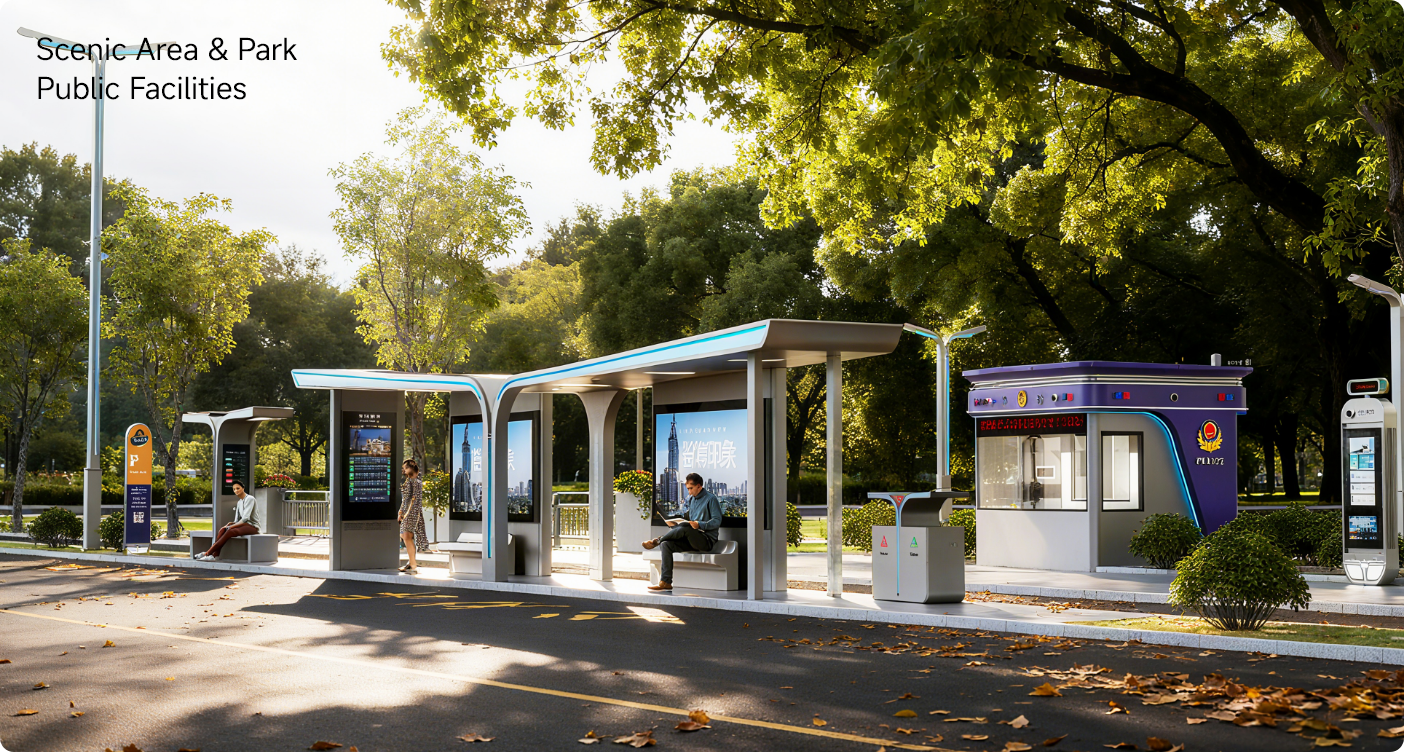
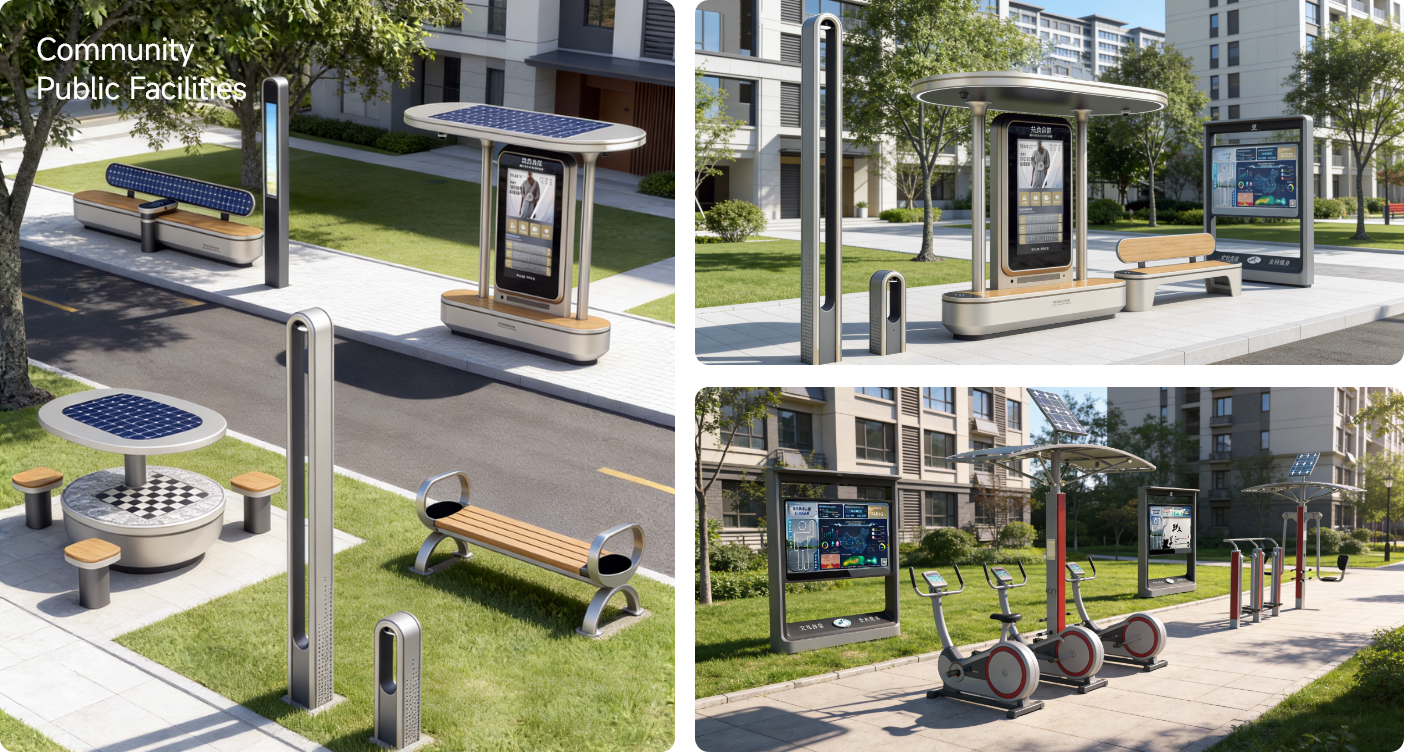
Human-scale design prioritizes the comfort and needs of people over large, vehicle-oriented infrastructures. Public spaces should feel approachable, fostering social interactions and a sense of community. Wide sidewalks, ample seating, and pedestrian-friendly features like benches and green spaces transform urban environments into inviting places. For example, designing bus shelters with solar-powered benches can provide not only comfort but also sustainability, creating spaces that encourage people to spend time outside. These thoughtful touches contribute to a more pleasant and livable city.
Active Mobility and Connectivity
Prioritizing pedestrians, cyclists, and public transport over cars is essential for creating healthier, more sustainable cities. Infrastructure should support active mobility, encouraging walking and cycling by providing clear pathways and safe crossings. Public transport hubs, such as urban service kiosks and bus shelters, should integrate seamlessly into the urban fabric, making it easier for people to choose alternative transportation options. By promoting active mobility, cities can reduce car dependence, lower emissions, and improve overall public health.
Designing Spaces That Serve People
Mixed-Use Development and Vibrant Communities
Mixed-use development is an effective strategy for creating vibrant, connected communities. By integrating residential, commercial, and recreational spaces, cities can reduce the need for long commutes, encourage social interaction, and promote local businesses. Public spaces like parks and plazas should also be designed for multiple uses, allowing them to serve different functions throughout the day. This approach helps create a lively, 24/7 neighborhood where people can live, work, and play in close proximity, enhancing the sense of community.
Reflecting Local Identity and Aesthetics
Designing public infrastructure with attention to local culture and history helps strengthen the connection between residents and their environment. For example, incorporating local art, cultural landmarks, and historic references into urban spaces can foster a sense of pride and ownership. This not only makes public spaces more visually appealing but also adds depth to the community’s identity. Public signage, for instance, can reflect local heritage, making navigation through the city both functional and culturally enriching.
Public Spaces as Social Hubs
Public spaces such as parks, libraries, and community centers serve as crucial social hubs within cities. These spaces foster community interaction and provide opportunities for residents to engage in recreational activities, relax, or attend social events. By ensuring that public spaces are safe, accessible, and inviting, cities can create environments where people feel comfortable and connected. Urban service kiosks and other interactive installations can also serve as gathering points where residents can access information, fostering engagement and communication.
The Role of Technology in Supporting People-Centered Design
AI and Data-Driven Decision Making
Artificial Intelligence (AI) plays a significant role in optimizing public infrastructure by analyzing traffic patterns, pedestrian flows, and resource usage. Smart systems can help reduce congestion, improve safety, and enhance public services. For example, AI-driven traffic management systems can adjust traffic signals based on real-time data, improving the flow of vehicles and pedestrians. Similarly, integrating AI into digital signage and wayfinding systems can provide dynamic, real-time information, guiding people to their destinations efficiently and safely.
Open-Source Digital Public Infrastructure (DPI)
Open-source Digital Public Infrastructure (DPI) offers customization and adaptability, allowing cities to tailor solutions to their specific needs. The following table summarizes the benefits, application scenarios, and technical details of open-source DPI.
| Application Scenario | Benefits | Considerations | Technical Specifications |
| Public Transport Payment System | Low cost, reduces reliance on proprietary software, customizable | Needs to be compatible with local payment platforms to avoid technical delays | Supports various payment methods, such as mobile payments and credit card payments |
| Urban Public Information Systems | Open-source code can be tailored to needs, enhances community engagement | Ensure data security, avoid over-sharing sensitive information | Use encryption to protect user data |
| Intelligent Traffic Management | Real-time traffic flow optimization through data analysis | Requires continuous maintenance and updates to ensure adaptability to urban growth | Integrates AI and IoT technology for automatic traffic adjustments |
| Public Service Digital Platforms | Increases efficiency and accessibility, promotes digital governance | Ensure accessibility for all groups, especially the elderly and disabled | Ensure multilingual support and user-friendly interface design |
Tip:Utilizing open-source DPI platforms can help cities reduce long-term operational costs for digital infrastructure while increasing local government control over technology, preventing over-reliance on external tech vendors.
Digital Tools as Enablers, Not Replacements
Technology should complement, not replace, physical infrastructure. While digital tools like mobile apps, digital signage, and sensors can improve the functionality of public spaces, they must be designed with inclusivity in mind. Public spaces should remain accessible to all, including those without access to the internet or digital devices. For example, wayfinding systems should have both digital and analog components, ensuring that everyone can navigate the city comfortably, regardless of their technological access.
Strategies for Implementing People-Centric Infrastructure
Community Engagement
Community engagement plays a crucial role in planning public infrastructure. The following table outlines the methods, implementation strategies, and potential challenges associated with community involvement.
| Method | Implementation Strategies | Potential Challenges | Technical Support |
| Public Meetings and Workshops | Regular community discussions to gather feedback | Low participation, requires effective incentives | Use online surveys and feedback platforms to improve engagement convenience |
| Collaborative Design Workshops | Collaborate with residents and designers to explore design ideas | Conflicts between residents' needs and design proposals may delay projects | Combine VR technology to showcase design concepts and encourage discussion |
| Social Media Platform Engagement | Promote on social media to gather online opinions | Potentially overlooks voices from disadvantaged groups, especially those with limited digital access | Utilize multi-platform integration to ensure coverage of all community groups |
| Resident Leader Participation | Engage community leaders to drive broader participation | Community leaders may not align with residents' needs | Develop specialized community leadership training tools to enhance participant leadership skills |
Tactical Urbanism
Tactical urbanism involves making low-cost, temporary changes to public spaces to test and refine design ideas before permanent implementation. This approach allows cities to gather feedback from residents and visitors, ensuring that new infrastructure projects will meet the community’s needs. For instance, pop-up bike lanes or temporary parklets can be introduced to test the feasibility of more permanent changes, allowing planners to adjust designs based on real-world use.
Dignified Design for Public Spaces
Designing public spaces with dignity in mind means ensuring that they are not only functional but also comfortable and respectful of people’s needs. Public transportation hubs, for example, should offer seating, adequate lighting, and clear signage to create a welcoming environment. This approach not only improves the user experience but also enhances safety and security by making public spaces more inviting and accessible.
Benefits of Human-Centered Design in Public Infrastructure
Improved Public Health
Human-centered design promotes healthier lifestyles by encouraging walking, cycling, and the use of public transport. Cities that prioritize pedestrian-friendly spaces and green areas provide opportunities for physical activity, reducing the risk of chronic diseases such as obesity and heart disease. In addition, green spaces contribute to improved mental health by offering a peaceful environment for relaxation and recreation.
Economic Vitality and Local Business Growth
Pedestrian-friendly public spaces can boost local businesses by attracting foot traffic and encouraging social interaction. Studies have shown that areas with well-designed, walkable infrastructure experience higher retail revenues, as people are more likely to shop and spend time in vibrant, easily accessible locations. For example, outdoor digital signage and kiosks in busy commercial areas can provide both information and advertising opportunities, helping local businesses connect with customers.
Environmental Sustainability
Reducing car dependence and increasing green space are key strategies for mitigating climate change and promoting environmental sustainability. Well-designed infrastructure that encourages walking, cycling, and the use of public transport helps reduce traffic congestion and lower emissions. Additionally, the integration of solar benches and other renewable energy solutions into public spaces can reduce cities' carbon footprint, contributing to a greener future.
Case Studies: Successful People-Centric Infrastructure Projects
Copenhagen’s Bike Infrastructure and Car-Free Zones
Copenhagen has long been a leader in creating bike-friendly infrastructure. The city's extensive network of bike lanes, along with car-free zones in the city center, has transformed urban mobility. By prioritizing bicycles and pedestrians, Copenhagen has not only reduced traffic congestion but also improved air quality and public health.
Barcelona’s Superblocks and Walkable Neighborhoods
Barcelona’s superblocks (superilles) are designed to reduce car traffic and create pedestrian-friendly spaces. Within these superblocks, cars are limited to lower speeds, and public spaces are reclaimed for people. This approach has led to reduced pollution, increased green spaces, and enhanced social interaction, making the city more livable.
Paris’s 15-Minute City and Local Living
Paris's 15-minute city initiative aims to create neighborhoods where all essential services are within a 15-minute walk or bike ride. This model reduces the need for long commutes, encourages local living, and enhances residents' quality of life. By prioritizing mixed-use development and sustainable mobility, Paris is setting the stage for more human-centered urban living.
Overcoming Challenges in Designing People-Centered Infrastructure
Addressing Resistance to Change
One of the biggest challenges in designing people-centric infrastructure is overcoming resistance to change. Many people are accustomed to car-centric urban environments, and businesses may fear that reducing car access will hurt their sales. However, through education and community engagement, cities can shift the mindset and demonstrate the benefits of prioritizing people over cars.
Balancing Technology and Human Needs
Another challenge is finding the right balance between integrating technology and addressing human needs. While smart systems can enhance the functionality of public spaces, it’s crucial that they don’t overshadow the human experience. Technology should be used to support and improve public spaces, not replace the physical systems that make them accessible to everyone.
Ensuring Equity in Design
It’s essential to ensure that improvements in public infrastructure benefit everyone, especially marginalized communities. Gentrification can be a risk when upgrading public spaces, so cities must take steps to ensure that infrastructure improvements are inclusive and do not displace low-income residents. This requires thoughtful planning and community involvement to ensure that changes serve all members of the community.
Conclusion
Designing public infrastructure for people, rather than just technology, is key to building livable, sustainable cities. A focus on human-centered design can strengthen communities, improve public health, and enhance economic vitality. Urban planners and architects must prioritize people-first approaches to meet the evolving needs of all residents. Shanghai Zemso Urban Furniture Technology Co., Ltd. offers innovative urban furniture solutions, creating spaces that foster social interaction and accessibility, ensuring that public infrastructure enhances quality of life.
FAQ
Q: What is people-centered public infrastructure?
A: People-centered public infrastructure focuses on designing spaces that prioritize human needs, inclusivity, and accessibility. It aims to create environments that enhance community interaction and improve quality of life.
Q: How does technology support people-centered public infrastructure?
A: Technology should complement physical infrastructure, enhancing functionality without replacing the human experience. For example, AI can optimize traffic flow, but design must still prioritize pedestrian comfort and safety.
Q: Why is human-centered design important for public infrastructure?
A: Human-centered design ensures that public infrastructure serves all members of the community, promoting inclusivity, social interaction, and improved health outcomes, making cities more livable and sustainable.
Q: What are the benefits of designing public infrastructure with accessibility in mind?
A: Designing for accessibility ensures that public infrastructure is usable by everyone, including people with disabilities. It fosters inclusivity and enhances the overall functionality of urban spaces, making them more welcoming.
Q: How can cities integrate sustainability into public infrastructure?
A: Cities can integrate sustainability by designing spaces that reduce car dependence, increase green areas, and utilize renewable energy solutions like solar-powered benches and efficient public transport hubs.


