Introduction
Urban furniture has been a familiar part of public spaces, from park benches to trash bins. However, the industry is shifting dramatically. Urban furniture brands are evolving from traditional hardware suppliers to solution partners, driven by the demand for smarter, sustainable cities. In this article, we will explore how this transformation is reshaping public spaces, with a focus on technology, sustainability, and community engagement. You’ll learn how urban furniture is now becoming an essential part of modern urban ecosystems.
The Role of Technology in Urban Furniture's Evolution
Smart Furniture and IoT Integration
Urban furniture is evolving through the integration of smart technology. Furniture such as benches, trash bins, and light poles now include Internet of Things (IoT) sensors, Wi-Fi connectivity, and solar charging capabilities. This transformation allows cities to create “smart spaces” where public furniture not only serves its traditional function but also contributes to the functionality of the entire urban environment. For example, benches that monitor air quality or transmit data on pedestrian traffic are becoming integral to smart city infrastructure.
Data-Driven Urban Furniture
With the rise of IoT and data collection, urban furniture is now playing a role in gathering valuable data. Through embedded sensors, urban furniture tracks key metrics such as usage, foot traffic, and environmental conditions. This data helps city officials optimize services, improve public space design, and make informed decisions about urban development. Urban furniture is no longer just a passive element in the city—it has become a dynamic resource that offers insights into the everyday patterns of urban life.
Integration of Renewable Energy
| Component | Application | Technology Specifications | Key Considerations |
| Solar-Powered Benches | Provides seating with integrated solar-powered chargers | Solar panels with 15-30W output, USB charging ports | Ensure proper sunlight exposure, weatherproofing |
| Wi-Fi Hotspots | Offers internet connectivity in public spaces | Solar-powered routers with 4G/5G connectivity | Bandwidth management, range limitations |
| LED Lighting | Illuminates public areas sustainably | LED lights with solar power supply, automatic dimming function | Light intensity, battery life, maintenance |
| E-Mobility Charging Stations | Charges electric bikes, scooters, and vehicles | Fast-charging, solar-powered stations | Charging speed, user accessibility |
Tip: Ensure proper placement of solar-powered furniture to maximize energy production and optimize its use in urban spaces.
From Hardware Supplier to Solution Partner: The Shift in Business Models
Co-Creation with Architects and Urban Planners
As urban furniture brands evolve into solution partners, their roles are shifting from simple suppliers of products to active collaborators in the planning and design stages. By co-creating with architects and urban planners, these brands ensure that their products are tailored to the specific needs of a community. This collaborative approach often includes participatory design workshops where local residents and stakeholders have a say in the creation of their public spaces, ensuring that urban furniture is not only functional but also reflective of community values.
Offering Full-Service Solutions
In the past, urban furniture brands simply provided products like benches and trash bins. Now, they offer full-service solutions, including design, installation, maintenance, and even data analysis. These solutions are modular and flexible, allowing urban planners to easily reconfigure or adapt public spaces as community needs change. This shift allows urban furniture brands to become long-term partners in city development, offering services that go beyond just selling products to providing ongoing support and innovation.
From Product Sales to Consultancy
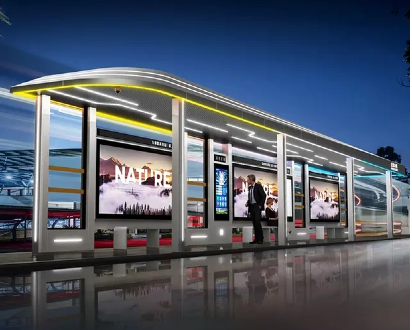
Urban furniture brands are now offering consultancy services, advising municipalities on how best to integrate public furniture into urban spaces. Rather than just delivering a product, these brands provide strategic insights on the design and implementation of smart, sustainable, and people-centric public spaces. They work closely with city officials and architects to create spaces that not only meet functional needs but also foster social interaction, well-being, and community engagement.
Collaboration with Local Communities
Participatory Design Workshops
As cities increasingly focus on inclusivity, urban furniture brands are prioritizing community involvement in the design process. Participatory design workshops allow local communities to contribute their input on the type of urban furniture they want in their neighborhoods. This approach ensures that urban furniture is not just a utility but a reflection of the community’s values and identity, creating spaces that truly resonate with local residents.
Addressing Specific Community Needs
Urban furniture brands are evolving to address the specific needs of different communities. Whether it's designing accessible seating for people with disabilities, creating spaces for children to play, or providing rest areas for the elderly, urban furniture solutions are becoming more customized. By tailoring products to fit the social and cultural characteristics of a location, urban furniture brands can ensure their solutions meet the unique requirements of each community.
Creating Social Impact through Urban Furniture
Urban furniture brands are focusing on creating products that contribute to social cohesion. Modular, flexible furniture systems that encourage social interaction and support a range of activities are becoming more popular. By fostering a sense of belonging and inclusion, these products help build stronger, more resilient communities. Whether it’s creating shared spaces for relaxation, work, or play, urban furniture is increasingly seen as a tool for enhancing the social fabric of cities.
Trends Shaping the Future of Urban Furniture
Sustainability and Circular Economy
The push for sustainability is one of the key drivers of change in the urban furniture industry. Brands are using recycled materials, such as reclaimed wood, recycled plastics, and durable metals, to create long-lasting, eco-friendly furniture. Moreover, the rise of the circular economy means that products are designed to be repaired, reused, or recycled, reducing waste and extending the lifecycle of urban furniture. This approach aligns with global sustainability goals and contributes to building greener cities.
Modular and Adaptable Urban Furniture
The table below summarizes the different types of modular and adaptable urban furniture and their applications, showcasing how these designs meet the ever-changing needs of modern cities.
| Furniture Type | Features & Applications | Modular Configurations | Advantages |
| Modular Benches | Adjustable seating arrangements, integrated planters | Can be reconfigured into different shapes and sizes | Flexibility, ease of installation |
| Workstations | Urban furniture that doubles as workspaces | Includes power outlets, Wi-Fi, and seating | Encourages productivity in public spaces |
| Transformable Bleachers | Multi-functional seating that converts into event seating | Adjustable backrests, foldable configurations | Space-saving, multifunctional |
| Planter-Benches | Combines seating with green spaces | Incorporates planters that can be customized | Improves air quality, aesthetic appeal |
Tip: Modular urban furniture offers cities the flexibility to adjust public spaces based on seasonal changes and community needs.
Biophilic Design in Urban Furniture
Biophilic design, which integrates natural elements into urban spaces, is becoming an important trend in urban furniture. Planters, green walls, and furniture that incorporates greenery help to bring nature into the city, improving air quality and offering psychological benefits. By promoting a connection with nature, biophilic design enhances both the environmental sustainability and aesthetic appeal of urban furniture, creating spaces that encourage relaxation, creativity, and social interaction.
The Business Impact of Urban Furniture’s Evolution
Enhancing Brand Experience through Public Spaces
Urban furniture is increasingly being used as a platform for brand experiences. Public spaces are no longer just functional areas but also opportunities for brands to engage with the public in meaningful ways. Whether through interactive bus shelters or branded benches, urban furniture offers brands a way to connect with communities and enhance their presence in the city. This shift allows brands to create lasting impressions and contribute to the transformation of urban environments.
Competitive Advantage for Urban Furniture Brands
As urban furniture brands transition to becoming solution partners, they gain a competitive advantage by offering more than just products. By providing integrated, modular solutions and full-service offerings, brands differentiate themselves from traditional suppliers. This shift towards long-term partnerships with municipalities and urban planners helps brands expand their market reach and become key players in the development of smart, sustainable cities.
Adapting to Consumer Expectations
Consumer expectations are rapidly evolving, and urban furniture brands must adapt to meet these new demands. People now expect public spaces to be functional, comfortable, and accessible. Brands are responding by offering furniture that is not only aesthetically pleasing but also adaptable to the changing needs of urban life. This includes furniture that serves multiple purposes, is easy to maintain, and incorporates smart technology to enhance the user experience.
The Future of Urban Furniture: What Lies Ahead
Technological Innovations on the Horizon
The future of urban furniture will be shaped by emerging technologies such as artificial intelligence (AI), augmented reality (AR), and advanced materials. AI could enable urban furniture to learn from its environment and make real-time adjustments based on factors like weather, foot traffic, or social activity. AR could transform public spaces into immersive experiences, while smart materials may offer self-repairing or adaptive capabilities, making urban furniture more responsive to the needs of modern cities.
Evolving Design Trends
As urban environments continue to grow, the design of urban furniture will evolve to meet new societal and environmental needs. Designers will focus on creating furniture that is more flexible, inclusive, and responsive to the changing dynamics of urban life. This includes furniture that can be easily reconfigured, designed for diverse user groups, and integrated into a wider range of urban contexts.
The Role of Urban Furniture in Smart Cities
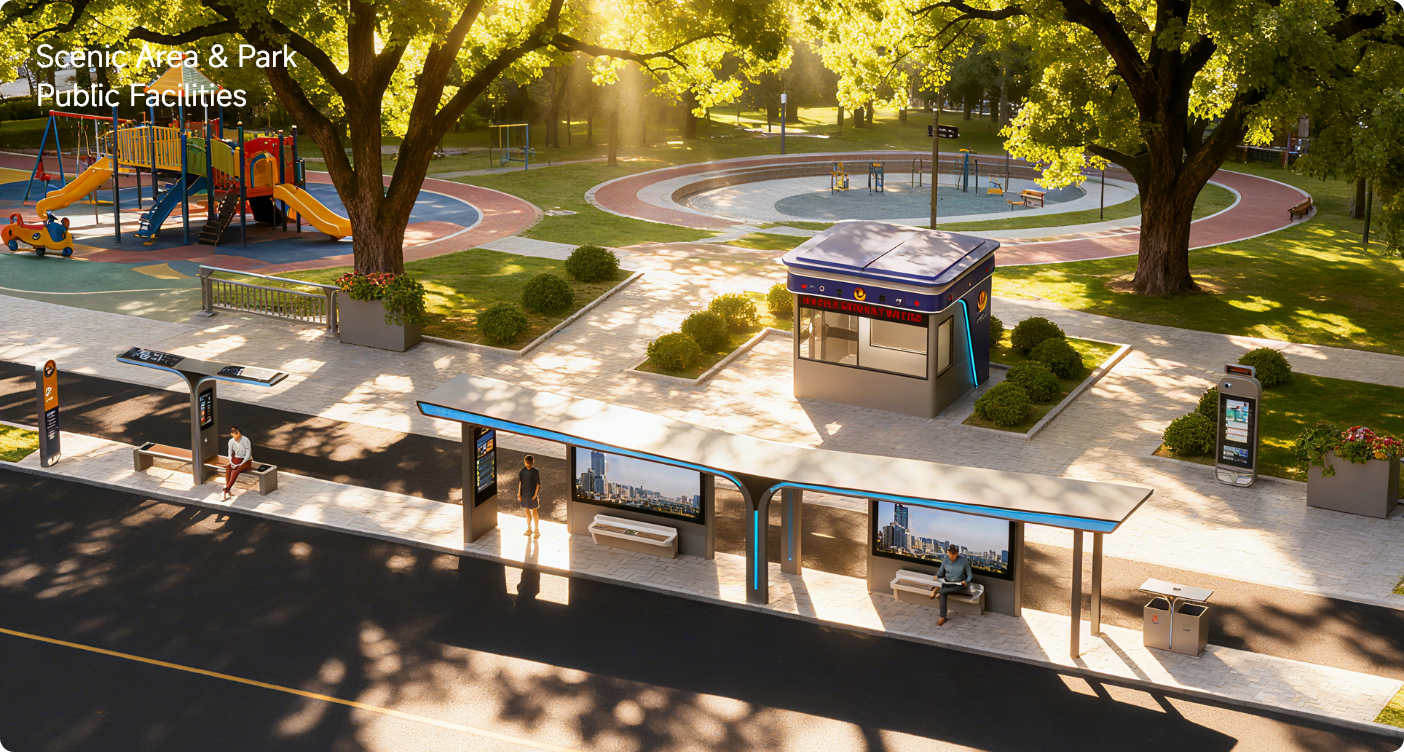
Urban furniture will play an integral role in the development of smart cities. As cities become more connected and data-driven, urban furniture will serve as an essential component of the urban infrastructure. From providing public Wi-Fi to monitoring environmental conditions, urban furniture will be a key player in creating responsive, adaptable public spaces that enhance the quality of life for city residents.
Conclusion
Urban furniture is evolving from a basic product supplier to a dynamic solution partner, driven by technology and sustainability. This shift is transforming urban spaces into smarter, more inclusive environments. Companies like Shanghai Zemso Urban Furniture Technology Co., Ltd. are leading this change by offering innovative, modular furniture solutions that enhance functionality and community engagement. Their products provide eco-friendly, adaptable features that meet the growing demands of modern cities. As urban furniture continues to evolve, these solutions will play a key role in shaping the future of our cities.
FAQ
Q: What is urban furniture and why is it evolving?
A: Urban furniture refers to outdoor furnishings like benches, trash bins, and lighting. It is evolving to integrate technology, sustainability, and flexibility, providing smarter, more functional solutions for cities.
Q: How is technology shaping the future of urban furniture?
A: Technology is transforming urban furniture by integrating IoT, solar power, and Wi-Fi capabilities. These smart features help cities optimize public space usage and improve sustainability.
Q: Why are urban furniture brands shifting from hardware suppliers to solution partners?
A: Urban furniture brands are shifting due to the growing demand for customized, sustainable, and smart solutions. This allows them to offer full-service packages, including design, installation, and ongoing support.
Q: What are the benefits of modular urban furniture?
A: Modular urban furniture offers flexibility and adaptability, allowing cities to easily reconfigure spaces to meet evolving needs. It can also integrate multifunctional features, making public spaces more versatile.
Q: How does urban furniture contribute to sustainability?
A: Urban furniture supports sustainability by incorporating renewable energy sources like solar power, using eco-friendly materials, and promoting a circular economy through designs that can be repaired or recycled.
Q: What role does urban furniture play in smart cities?
A: Urban furniture is a key component of smart cities, providing essential functions like Wi-Fi hotspots, environmental sensors, and charging stations. It helps create responsive, data-driven public spaces.


