Modern urban environments are becoming increasingly complex. Transportation hubs, commercial complexes, campuses, civic buildings, and mixed-use districts now feature more routes, destinations, and dynamic information than traditional signage can handle. Visitors often feel overwhelmed by the number of decisions they must make, from choosing entrances to navigating corridors. In this context, Shanghai Zemso Urban Furniture Technology Co., Ltd. provides advanced digital signage and wayfinding solutions designed to simplify navigation and enhance the urban experience.
Traditional static signs still serve a purpose but struggle when information changes quickly or when visitors require more than arrows and text panels. Digital Signage and Wayfinding systems bridge this gap by combining navigation, communication, interactivity, and operational flexibility. They do more than display directions—they reduce stress, improve accessibility, enhance safety, and create a seamless connection between people and place.
Key Takeaways
Digital Signage and Wayfinding improves navigation efficiency and visitor confidence.
Systems support real-time updates, multilingual guidance, and accessibility.
They reduce reliance on staff while improving overall traffic flow.
Optimal implementation occurs when design, software, and hardware are integrated from the start.
Well-designed systems contribute to a city’s smart infrastructure and public perception.
What Is Digital Signage And Wayfinding?
Beyond Static Signage
Digital Signage and Wayfinding combines interactive displays, dynamic content, and adaptive interfaces. Unlike static signs, these systems update in real time and present multiple types of information simultaneously, including route directions, room changes, emergency alerts, and multilingual guidance. This adaptability is particularly valuable in environments where schedules, routes, and facility information shift throughout the day.
The true value of these systems lies in clarity and flexibility. While a static sign communicates one message until manually replaced, digital signage can deliver tailored, context-specific information continuously. Visitors no longer need to guess or search for help, enhancing confidence and reducing delays in high-traffic areas.
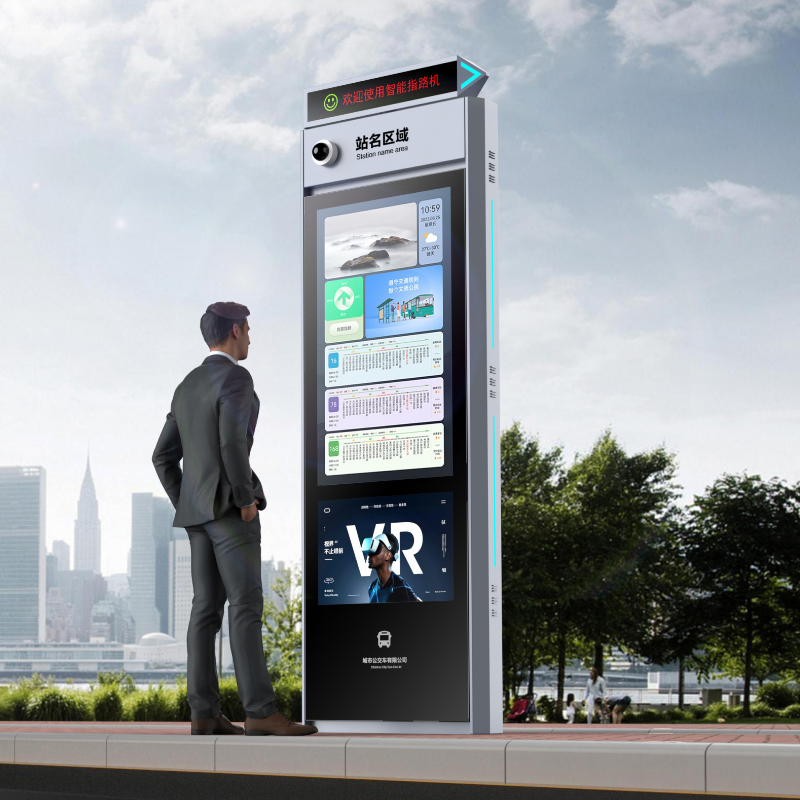
How Digital Wayfinding Works
Digital Signage and Wayfinding systems connect hardware, software, content management, and spatial logic. Some installations provide simple maps or directories, while others incorporate touch interfaces, mobile connectivity, indoor positioning, and live data integration.
The system adapts to real-world conditions. Airports, train stations, hospitals, and mixed-use campuses rarely maintain static operational conditions all day. A dynamic system ensures that information is current and consistent with the environment, guiding visitors intuitively.
Indoor and Outdoor Applications
Modern Digital Signage and Wayfinding solutions are versatile. They work indoors in corridors, lobbies, concourses, and multi-level facilities, as well as outdoors in plazas, transport-adjacent streets, and pedestrian zones. The most effective deployments treat indoor and outdoor guidance as a connected experience, allowing visitors to move seamlessly from street to building to interior spaces without confusion.
Limitations of Static Signage
Rapidly Changing Information
Static signage works only when routes, tenant information, schedules, and building conditions are stable. In contemporary urban spaces, this stability rarely exists. Temporary events, service disruptions, and operational changes can render static signs obsolete in minutes.
Complexity Requires Adaptation
Facilities such as hospitals, transit hubs, and campuses host diverse users—patients, staff, tourists, and vendors. Static signs cannot adapt to varying user needs. Digital Signage and Wayfinding responds dynamically, offering adaptive information based on location, time, and user type, improving usability for everyone.
Digital Expectation of Visitors
Today’s visitors rely on live updates, digital maps, and mobile integration. Static signage appears outdated when people expect interactive and responsive guidance. Digital systems align with contemporary expectations, helping users search, confirm, and adjust routes quickly.
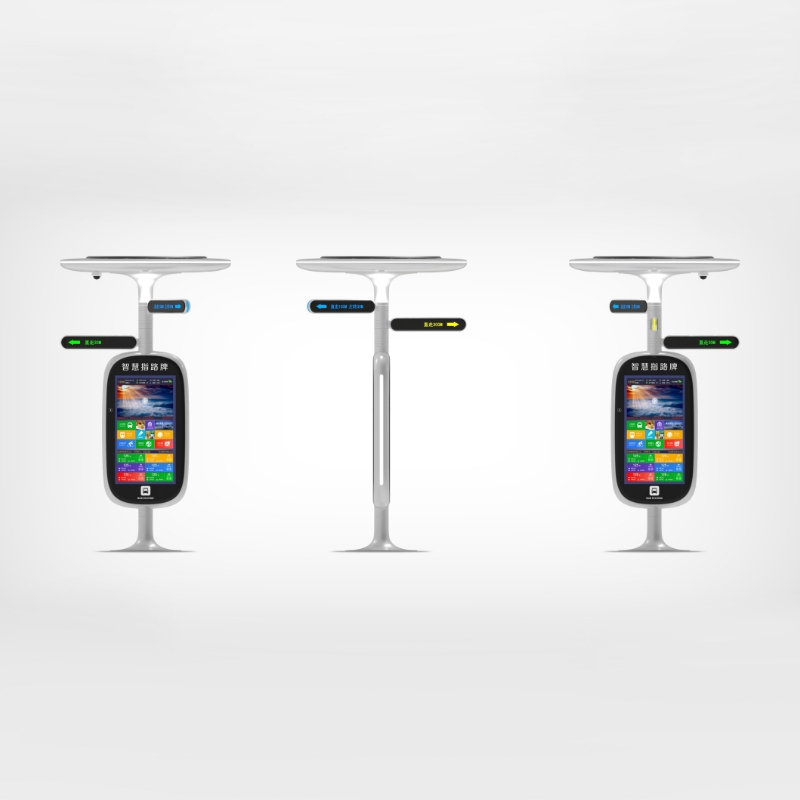
Advantages Over Traditional Signage
| Feature | Static Signage | Digital Signage & Wayfinding |
| Content Updates | Manual | Real-time & scheduled |
| Route Flexibility | Fixed | Dynamic |
| Multilingual Support | Limited | Expandable |
| Interactivity | None | Touch & mobile capable |
| Emergency Messaging | Difficult | Immediate & system-wide |
| Traffic Adaptation | Minimal | Responsive to conditions |
Benefits of Digital Signage and Wayfinding
Real-Time Updates and Operational Flexibility
Digital signage reflects current conditions. Room assignments, escalators, or service areas can change. Systems that cannot adapt risk confusion and inefficiency. Real-time updates improve operational flexibility and ensure smoother movement.
Reduced Burden on Staff
Staff often act as human navigators in complex environments. Digital signage alleviates this by providing information at the point of need. Staff remain available for exceptional cases, but visitors can navigate independently, improving workflow and consistency.
Improved Visitor Experience and Accessibility
Clear, structured guidance lowers stress, shortens hesitation, and boosts confidence. Accessibility features, such as high-contrast displays, intuitive hierarchy, and multilingual options, support diverse users. Well-placed systems reduce bottlenecks, optimizing traffic flow.
Key Features of Effective Systems
Interactive Maps: Visitors can search destinations, view route options, and see real-time positions.
Mobile Integration: QR codes and apps extend navigation beyond the screen.
Emergency Mode: Instant shift from normal guidance to critical alerts.
Cloud Management: Centralized updates ensure content consistency across multiple sites.
Analytics: Data on traffic patterns, search behaviors, and user interactions guide future improvements.
Design Principles
User-Centered and Cognitively Clear
Technology alone does not improve navigation. Effective systems consider how people process information under time pressure. Layout, visual hierarchy, iconography, and pacing are crucial to intuitive guidance.
Aesthetic Integration
Wayfinding should complement surrounding architecture. Displays that feel disconnected confuse users. Coordinated design and interface logic improve trust and reliability. ZEMSO Group, Shanghai applies these principles to deliver seamless urban navigation solutions.
Applications
Transportation Hubs: Airports, train stations, and bus terminals benefit from dynamic guidance and live updates.
Public Facilities: Hospitals, civic centers, and libraries reduce visitor confusion while easing staff workload.
Commercial Complexes and Campuses: Malls, universities, and office parks improve visitor confidence and movement efficiency.
Urban Connectivity: Systems can link plazas, streets, parks, and adjacent facilities into one coherent navigation experience.
Urban and Municipal Value
Digital Signage and Wayfinding enhances public perception by demonstrating operational efficiency, technological adoption, and accessibility. Shanghai ZEMSO ensures solutions are scalable, maintainable, and aligned with smart city strategies, supporting municipal objectives and long-term usability.
Conclusion
Static signage alone is insufficient in dynamic urban spaces. Digital Signage and Wayfinding systems improve movement, accessibility, and visitor confidence through adaptive guidance, real-time updates, and interactive features. For projects seeking integrated, future-ready urban navigation solutions, Shanghai Zemso Urban Furniture Technology Co., Ltd. provides advanced systems that combine software, displays, and design to simplify navigation in modern, complex environments.


