Contents
Introduction
The Growing Need for Smart Transportation in Modern Cities
ZEMSO’s Vision: Revolutionizing Urban Mobility
Key Components of ZEMSO’s Smart Transportation Solutions
The Impact of ZEMSO’s Approach on Urban Life
How ZEMSO’s Solutions Address Common Urban Transportation Problems
The Future of Smart Transportation: Trends and Innovations
Conclusion
FAQ
Introduction
Urban transportation systems are undergoing a profound transformation, driven by the need for more efficient, sustainable, and user-centric solutions. As cities grow in size and complexity, traffic congestion, pollution, and limited mobility options have become critical issues that need urgent attention. The emergence of smart transportation technologies promises to alleviate these problems, offering enhanced convenience, reduced environmental impact, and improved economic opportunities.
One company at the forefront of this transformation is ZEMSO, which is rethinking how cities manage and deliver transportation services. Their innovative approach integrates cutting-edge technologies to create a seamless, connected urban mobility experience. ZEMSO's smart transportation solutions, particularly their Smart Bus Shelters, play a pivotal role in this vision.
In this article, we will explore the core components of ZEMSO’s approach, focusing on how their smart transportation solutions address key challenges faced by modern cities and enhance the overall urban living experience.
The Growing Need for Smart Transportation in Modern Cities
As the global urban population continues to grow, the demand for smarter, more efficient transportation solutions is escalating. Traditional transportation infrastructure, which relies on outdated technology and systems, is struggling to keep up with the demands of modern cities. Traffic congestion, environmental pollution, and inefficiency are all major issues that impede the quality of life in urban areas.
The shift toward smart transportation systems aims to create a more sustainable, efficient, and accessible transit experience. Key benefits include:
Reduced traffic congestion: By using real-time data and advanced algorithms, smart transportation systems can optimize traffic flow and reduce congestion.
Improved sustainability: Electrified and connected transit options help reduce carbon emissions and promote green energy.
Enhanced user experience: Technologies like real-time tracking, digital payment systems, and personalized services make traveling more convenient and efficient.
ZEMSO’s approach to smart transportation offers solutions to these issues, paving the way for the next generation of urban mobility.
ZEMSO’s Vision: Revolutionizing Urban Mobility
ZEMSO’s vision for smart transportation is deeply rooted in creating a more connected and efficient city. The company recognizes that transportation is not just about moving people from point A to point B but about transforming the entire experience. Their goal is to make urban mobility more accessible, efficient, and sustainable by leveraging the latest technologies, such as the Internet of Things (IoT), artificial intelligence (AI), and big data analytics.
By focusing on these key areas, ZEMSO has developed a comprehensive strategy to address urban transportation challenges:
Integration of smart infrastructure: ZEMSO’s solutions integrate with existing city infrastructure, ensuring seamless operation alongside traditional transit systems.
Personalized mobility services: ZEMSO’s technologies enable on-demand transportation services, allowing for more flexibility in travel.
Data-driven insights: The use of real-time data helps cities improve traffic management and optimize public transport routes.
These strategies work together to offer a smarter, more sustainable urban mobility system.
Key Components of ZEMSO’s Smart Transportation Solutions
ZEMSO’s innovative approach to smart transportation is built around a range of technologies that enhance both the infrastructure and the user experience. Two of the most important components of their approach are Smart Bus Shelters and IoT-enabled services.
Smart Bus Shelters: A Game Changer for Urban Transit
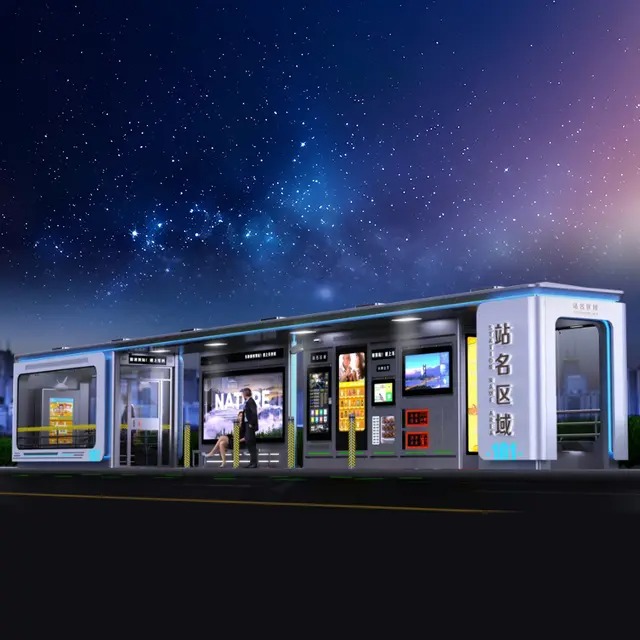
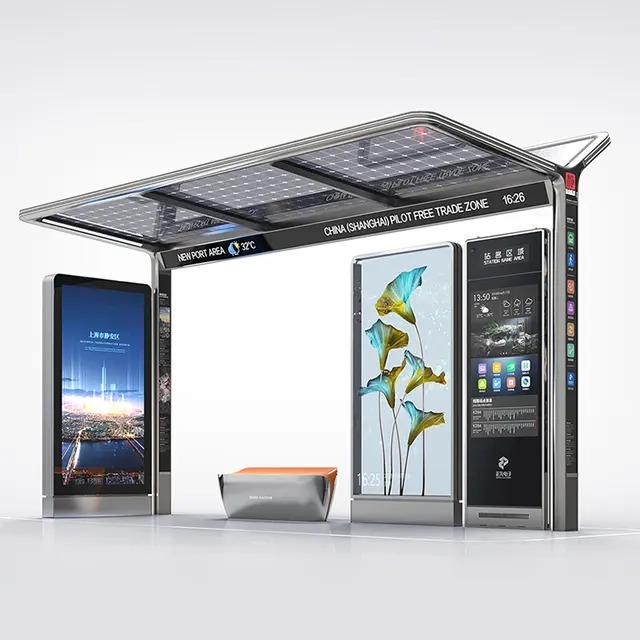
One of ZEMSO’s standout innovations is the development of Smart Bus Shelters, which integrate various technologies to improve the user experience for passengers and contribute to more efficient public transportation. These shelters are equipped with features such as:
Real-time arrival information: Passengers can view live updates on bus arrivals and departures, reducing wait times and making the experience more predictable.
Interactive touchscreens: These screens provide route maps, local information, and even weather updates, enhancing the comfort and convenience of waiting for the bus.
Sustainable energy sources: Many smart bus shelters are equipped with solar panels or other sustainable energy solutions to power the digital features and reduce reliance on the grid.
Mobile charging stations: To ensure that passengers can stay connected, many shelters offer charging ports for smartphones and other devices.
The introduction of smart bus shelters is a perfect example of how ZEMSO is transforming everyday aspects of urban transit, creating a more comfortable and efficient experience for commuters.
IoT Integration: Enhancing Efficiency and User Experience
ZEMSO’s use of Internet of Things (IoT) technology is another critical element in the company’s smart transportation solutions. By embedding IoT sensors in vehicles, bus shelters, and other infrastructure, ZEMSO is able to collect and analyze data in real time. This enables the optimization of services, such as:
Traffic management: IoT sensors help cities monitor traffic patterns and adjust signals to reduce congestion.
Vehicle tracking: Real-time tracking of public transport vehicles allows passengers to plan their journeys more effectively and reduces uncertainty.
Predictive maintenance: IoT data helps identify potential issues with vehicles or infrastructure before they become major problems, ensuring smoother operations.
With IoT integration, ZEMSO is not only improving transportation efficiency but also creating a connected ecosystem where all aspects of urban mobility work in harmony.
The Impact of ZEMSO’s Approach on Urban Life
ZEMSO’s smart transportation solutions offer far-reaching benefits that extend beyond mere convenience. These solutions play a pivotal role in addressing some of the most pressing challenges faced by modern cities, from sustainability to economic growth.
Sustainability and Environmental Benefits
Smart transportation systems like those offered by ZEMSO contribute significantly to reducing the environmental impact of urban mobility. With features like electric vehicles, solar-powered bus shelters, and data-driven traffic management, ZEMSO is helping to reduce greenhouse gas emissions and lower cities’ overall carbon footprints.
Additionally, smarter transportation solutions encourage the use of public transit over personal cars, which leads to less road congestion and lower fuel consumption.
Economic Advantages of Smart Transport Systems
The adoption of smart transportation solutions also brings substantial economic benefits to cities. For example:
Increased efficiency: Smart transportation reduces the cost of congestion by optimizing routes and minimizing delays, leading to more productive use of time.
Job creation: The development and maintenance of smart infrastructure create new job opportunities in fields such as technology, engineering, and data analysis.
Attraction of investments: Cities that implement smart transportation systems are often seen as more innovative, which can attract investments and tourism.
Overall, ZEMSO’s approach has the potential to significantly enhance the economic vitality of urban areas while improving the quality of life for their residents.
How ZEMSO’s Solutions Address Common Urban Transportation Problems
Modern cities face a variety of transportation challenges, from overcrowding to pollution. ZEMSO’s smart transportation solutions offer practical and scalable ways to solve these problems:
Congestion management: By utilizing real-time data to optimize routes, ZEMSO helps reduce traffic congestion and improve the flow of vehicles.
Pollution reduction: Smart buses and electric vehicles help lower emissions, while solar-powered bus shelters contribute to greener urban infrastructure.
Increased accessibility: ZEMSO’s solutions make transportation more inclusive, particularly for underserved communities, by offering flexible, on-demand services and improving infrastructure.
These solutions not only improve urban transit systems but also foster a more sustainable and equitable environment.
The Future of Smart Transportation: Trends and Innovations
The future of smart transportation is exciting, with new technologies continually reshaping how cities approach urban mobility. Some key trends that will likely shape the future include:
Autonomous vehicles: Self-driving cars and buses could become an integral part of smart transportation networks, improving safety and efficiency.
Shared mobility: Carpooling and ride-sharing services, integrated with public transit, will become more popular as part of the push toward sustainable mobility.
Data-driven services: With the continued expansion of IoT and big data analytics, cities will be able to offer more personalized and efficient transportation options.
As ZEMSO continues to innovate, the company will play a crucial role in driving these trends forward and shaping the future of urban mobility.
Conclusion
ZEMSO’s innovative approach to smart transportation solutions is helping to address the pressing issues facing modern cities. By integrating technologies like IoT, AI, and sustainable energy solutions, ZEMSO is creating a more efficient, sustainable, and user-friendly urban mobility system.
The Smart Bus Shelters are a standout example of how small changes can make a big difference in improving the overall experience for commuters while contributing to broader sustainability goals. As cities continue to grow and evolve, ZEMSO’s vision for smart transportation offers a promising path forward, making urban mobility more connected and accessible than ever before.
FAQ
1. What makes ZEMSO’s Smart Bus Shelters different from traditional bus stops?
ZEMSO’s Smart Bus Shelters offer real-time arrival information, interactive touchscreens, mobile charging stations, and sustainable energy solutions, making them more efficient and user-friendly than traditional bus stops.
2. How do IoT sensors improve urban mobility?
IoT sensors enable real-time tracking of vehicles and traffic, optimize routes, and provide valuable data for predictive maintenance, improving the overall efficiency and reliability of urban transportation systems.
3. Can ZEMSO’s smart transportation solutions help reduce traffic congestion?
Yes, by utilizing real-time data and advanced algorithms, ZEMSO’s solutions help optimize traffic flow and reduce congestion, making transportation more efficient.
4. Are ZEMSO’s solutions environmentally friendly?
Yes, ZEMSO focuses on sustainability by incorporating solar-powered bus shelters, electric vehicles, and data-driven traffic management systems to reduce carbon emissions and promote green energy.
5. How can cities adopt ZEMSO’s smart transportation solutions?
Cities can integrate ZEMSO’s technologies with their existing infrastructure, gradually implementing smart bus shelters, IoT sensors, and other smart mobility solutions to improve urban transportation.


