As urban populations continue to grow and cities evolve into more interconnected hubs of activity, traditional street furniture is rapidly transforming. Benches, bus stops, and information boards — once simple physical objects — are now expected to offer far more than passive utility. They are becoming integral parts of the digital infrastructure that underpins smart cities. This evolution is driven by the need for public spaces that are not just functional, but also responsive, informative, and capable of enhancing the urban experience.
At the heart of this transformation is smart urban furniture — a category that includes Digital Signage And Wayfinding systems, Bus Shelters equipped with Bus Stop Digital Signage, Outdoor Digital Signage that engages citizens, and innovative elements like Solar Benches that combine sustainability with technology. In this article, we explore how smart urban furniture is reshaping cities, enabling new forms of communication, mobility, safety, and environmental awareness.
Drawing on real industry insights and practical deployment examples, we present a comprehensive view of how modern urban furniture serves both the physical needs of citizens and the digital demands of tomorrow’s cities — all while demonstrating how Shanghai Zemso Urban Furniture Technology Co., Ltd. and other forward-thinking providers contribute to this transformation.
Rethinking Urban Furniture for the Digital Age
From Functional Fixtures to Interactive Platforms
Traditionally, urban furniture was designed purely for physical utility: benches for seating, shelters for weather protection, and signs for static information. Today, these elements are being reimagined as interactive platforms that support digital connectivity and communication.
This shift is part of a broader trend where public infrastructure becomes digitally enabled, generating data, engaging users, and connecting seamlessly with mobile devices, city networks, and cloud services. The result: ordinary objects like a bench or a bus stop can now provide real-time information, connectivity, environmental sensing, and public service announcements.
Digital Signage And Wayfinding: Mapping the Urban Journey
Navigating the City with Smart Displays
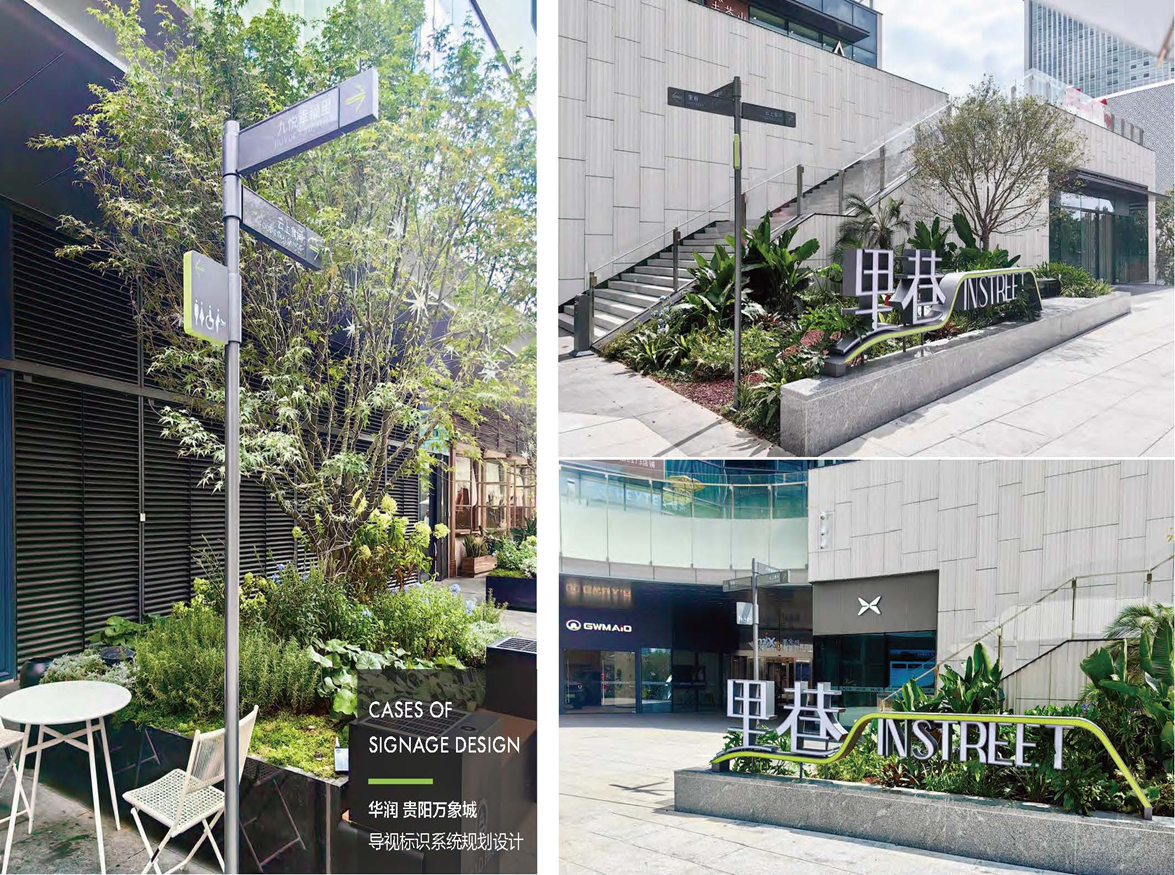
Urban wayfinding has always been essential for helping residents and visitors find their way. With advances in technology, Digital Signage And Wayfinding have surpassed paper maps and static signs, offering dynamic, context-aware guidance.
Smart wayfinding displays can show:
Interactive maps
Directions to nearby points of interest
Transit information and schedules
Alerts about events or closures
These systems enhance user experience by providing real-time contextual information that adapts based on time of day, location, and user inputs.
Integration with City Services
Digital wayfinding can integrate with city data systems, enabling features such as:
Personalized routing for accessibility needs
Integration with transit systems
Emergency route guidance
Tourist information layers
By making wayfinding digital and interactive, cities can reduce confusion, improve accessibility, and promote more efficient navigation throughout urban spaces.
Smart Bus Shelters: Beyond Waiting Areas
Bus Shelter as a Connected Node
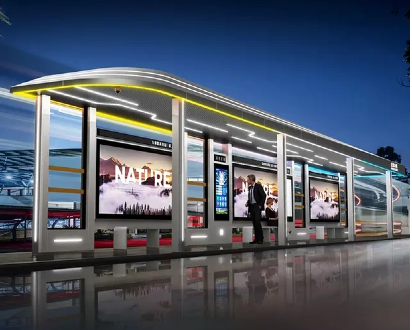
Public transit infrastructure has long included basic bus shelters — simple structures that provide shade and protection from weather. In the era of smart cities, Bus Shelters have evolved into far more capable assets. Modern shelters incorporate advanced technologies such as:
Bus Stop Digital Signage for real-time arrival information
Interactive screens providing alerts and route changes
Connectivity to transit agency data feeds
Sensors for environmental or usage data
These shelters help reduce perceived wait times, enhance rider confidence, and improve the overall usability of public transport systems.
Enhancing User Engagement
Bus stop displays can deliver transit updates, route adjustments, emergency messages, and even community news. Residents can view this information without needing a mobile device, making public transit more accessible and inclusive.
When integrated with broader smart city platforms, bus shelters become valuable nodes for collecting urban data — from rider volumes to air quality information — helping planners better understand and manage city dynamics.
Outdoor Digital c: Communicating with the City
The Role of Outdoor Digital Signage
Outdoor Digital Signage refers to electronic displays located in public spaces — such as squares, transit hubs, campuses, and commercial corridors — that provide visual communication to passersby. In modern urban settings, these displays serve a range of functions:
Public service announcements
Emergency alerts
Cultural and event information
Advertising and community messages
Transit updates
These signs must be robust, visible in various weather conditions, and able to operate continuously without interruption.
Advantages of Outdoor Digital Platforms
Compared to static boards or posters, outdoor digital signage offers:
Dynamic content that can change instantly
Remote updates and scheduling
High visibility at night or in low-light conditions
Integration with real-time data sources
By utilizing outdoor digital signage, cities can keep residents informed, promote city initiatives, and foster a sense of community engagement.
Solar Bench: Sustainability Meets Connectivity
What Is a Solar Bench?
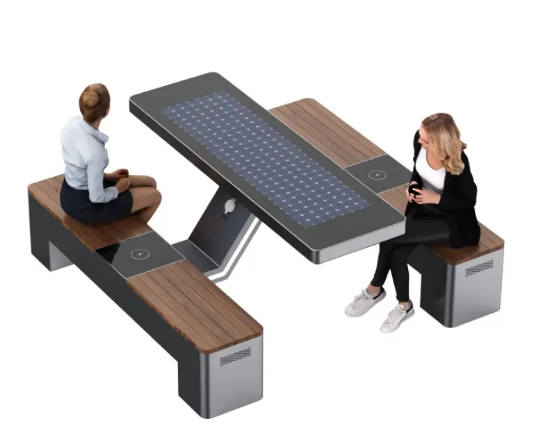
A Solar Bench is an urban seating solution equipped with integrated solar panels, battery storage, and often digital features like USB charging ports, lighting, and connectivity modules. These benches demonstrate that sustainable design and smart functionality can coexist.
Solar benches can:
Provide seating with built-in shade or comfort features
Generate clean energy using solar power
Power devices like mobile phones or IoT sensors
Illuminate pathways at night
Support Wi-Fi hotspots or digital displays
Benefits for Smart Cities
Solar benches embody several key benefits:
Sustainable energy usage: reducing reliance on grid power
Improved user experience: offering charging and connectivity
Environmental monitoring: powering sensors for air quality or noise levels
Public engagement: serving as visible, interactive urban elements
In smart city deployments, solar benches often complement other smart furniture, contributing to a distributed network of urban infrastructure that is both environmentally responsible and technologically capable.
Connectivity and Data Integration
Linking Urban Furniture to City Networks
The value of smart urban furniture grows significantly when data is shared across city systems. Smart benches, digital signage, bus shelters, and wayfinding displays become data points in a larger urban network. When connected via secure city infrastructure, these devices can support:
Public safety monitoring
Traffic and transit analytics
Energy consumption tracking
Environmental sensing networks
User engagement metrics
By integrating these systems, cities gain a clearer view of urban flows and patterns, enabling more informed planning and responsive services.
IoT and Sensor Integration
Smart urban furniture often includes embedded sensors that collect data such as:
These sensors provide environmental intelligence that supports city sustainability goals and enhances quality of life metrics.
Enhancing Public Safety and Emergency Communication
Safe and Responsive Public Spaces
Smart urban furniture plays a role in public safety through multiple avenues:
Integrated lighting controlled by motion or ambient conditions
Bus stop or wayfinding screens that broadcast emergency alerts
Cameras or connectivity modules that aid monitoring
Integrated panic buttons or call systems
In emergencies — weather events, transit disruptions, or public safety alerts — these systems can deliver timely information and help guide citizens to safety.
Building Trust in Public Infrastructure
When citizens perceive public spaces as safe, connected, and responsive, they are more likely to engage with transit systems and public facilities. Smart urban furniture contributes to this sense of trust, providing both information and reassurance.
The Role of Design in Smart Urban Furniture
Balancing Aesthetics and Functionality
Good design goes beyond technology. Urban furniture must also be visually pleasing, culturally appropriate, and context-sensitive. Intelligent street fixtures such as digital wayfinding displays or solar benches must blend seamlessly with the urban landscape, reflecting local identity and architecture.
Modern design principles emphasize:
Visual harmony with surroundings
Accessibility for all users
Durability against weather and vandalism
Ease of maintenance
A well-designed smart bus shelter or outdoor digital sign elevates the everyday experience, making urban spaces more inviting.
Human-Centered Interaction
Smart urban furniture should not overcomplicate user interaction. Touchscreens, digital displays, and wayfinding systems should be intuitive, accessible, and inclusive. Features like voice assistance, multi-language support, and clear visual cues make these systems usable for diverse urban populations.
Deployment Challenges and Considerations
Connectivity and Infrastructure
Implementing smart furniture requires robust connectivity — whether through city Wi-Fi, 5G networks, or centralized data systems. Ensuring stable communication channels is essential for real-time updates, sensor reporting, and remote management.
Maintenance and Longevity
Smart infrastructure is only as effective as its maintenance. Displays, sensors, power systems, and enclosure hardware must be serviceable and durable. Remote diagnostic tools and modular components help reduce downtime and extend service life.
Data Privacy and Security
Smart urban furniture often processes data that can include usage patterns or environmental metrics. Cities must prioritize privacy, secure communication channels, and transparent data policies to protect citizen trust.
Conclusion
Smart urban furniture — including Digital Signage And Wayfinding systems, Bus Shelter implementations with Bus Stop Digital Signage, Outdoor Digital Signage, and Solar Bench installations — is reshaping how cities operate and engage with citizens. By integrating digital infrastructure into everyday public spaces, urban environments become safer, more efficient, and more connected, providing real-time information, mobility support, and enhanced public services.
From an urban infrastructure perspective, Shanghai Zemso Urban Furniture Technology Co., Ltd. emphasizes the importance of combining technology with thoughtful physical design. Cities pursuing smarter, sustainable futures can leverage advanced urban furniture solutions to enable real-time communication, environmental monitoring, and citizen engagement. Planners, transit authorities, and community leaders seeking to elevate public spaces are encouraged to contact Shanghai Zemso to explore customized solutions for tomorrow’s smart cities.
FAQ
Q: What is smart urban furniture?
A: Smart urban furniture refers to street fixtures — like benches, bus shelters, and signage — that incorporate digital and connected technologies to provide real-time information, connectivity, and environmental data to citizens.
Q: How does digital signage and wayfinding improve city experiences?
A: Digital Signage And Wayfinding offer dynamic, interactive maps and transit updates, helping pedestrians and commuters navigate and obtain real-time information that supports mobility and engagement.
Q: What makes a bus stop digital signage system “smart”?
A: Smart bus stop digital signage connects to transit data feeds to provide real-time arrival times, route changes, alerts, and interactive content, improving commuter experience and accessibility.
Q: Why are solar benches part of smart urban furniture?
A: Solar benches integrate renewable energy generation with seating and connectivity features like charging ports or Wi-Fi, promoting sustainability while enhancing functionality in public spaces.


