

Contents
Introduction
ZEMSO’s Vision for Smart Cities: A Technological and Design-Driven Approach
Integrating Smart Technology with Urban Infrastructure
Designing for Functionality and Aesthetics: The Role of Urban Design
ZEMSO's Approach to Sustainability and Smart City Design
The Benefits of ZEMSO’s Smart Solutions: Efficiency, Accessibility, and Inclusivity
Overcoming Challenges in Smart City Implementation
Conclusion
FAQ
Introduction
Smart cities are reshaping the future of urban living by integrating advanced technologies into every aspect of daily life. One company at the forefront of this transformation is ZEMSO, which specializes in combining cutting-edge technology with forward-thinking urban design. By addressing the most pressing issues cities face today—ranging from traffic congestion and pollution to inefficient infrastructure and inadequate public services—ZEMSO’s smart city solutions promise to create environments that are more efficient, sustainable, and livable.
ZEMSO’s Vision for Smart Cities: A Technological and Design-Driven Approach
ZEMSO’s approach to smart city solutions is built on a vision that blends technological innovation with thoughtful design. At the heart of this vision is the idea that cities should not only be technologically advanced but also designed to be human-centered, sustainable, and accessible. This holistic approach allows ZEMSO to address the multifaceted challenges of modern urban living—from environmental concerns to urban mobility, energy efficiency, and more.
By focusing on the integration of smart technologies like bus stop digital signage, smart traffic systems, and IoT (Internet of Things) solutions, ZEMSO aims to make cities safer, more efficient, and more user-friendly. These innovations aren’t just about making urban spaces "smart"; they’re about designing cities that work seamlessly for residents, businesses, and the environment.
Integrating Smart Technology with Urban Infrastructure
The Role of Bus Stop Digital Signage
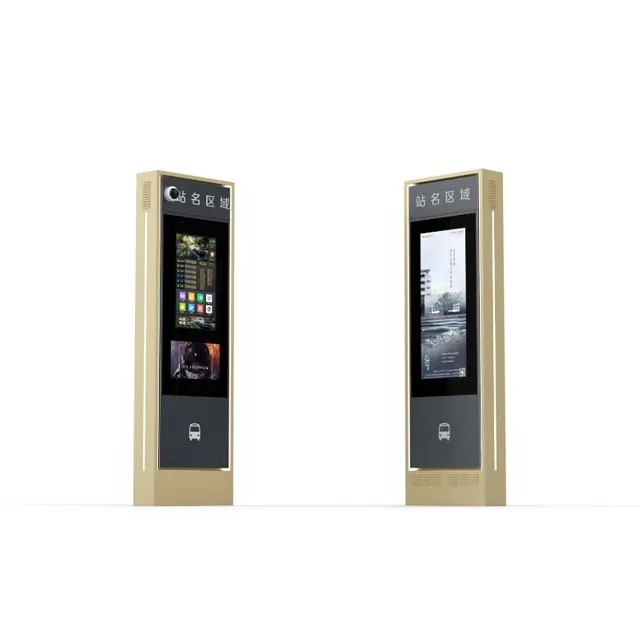
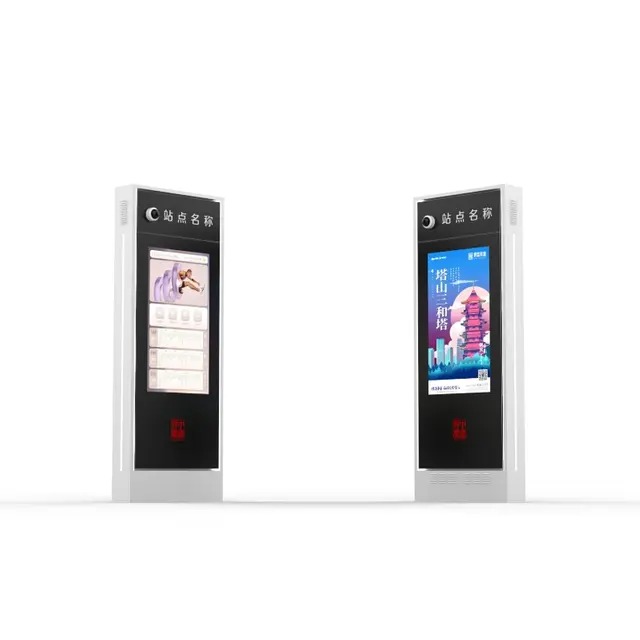
One of the most prominent features of ZEMSO's smart city solutions is the bus stop digital signage system, a key innovation that enhances urban mobility and communication. These digital displays, integrated into bus stops across the city, provide real-time information to commuters about bus schedules, delays, and upcoming routes. In addition, these screens can also serve as platforms for public service announcements, weather updates, and emergency notifications, creating a dynamic, multifunctional public space.
The integration of bus stop digital signage represents a clear example of how ZEMSO combines design and technology. The sleek, modern look of the signage is designed to be both functional and aesthetically pleasing, contributing to the overall design of the city while also offering valuable services to the public. For commuters, it’s a simple but crucial upgrade—an effective way to stay informed in real time, reducing waiting times and improving the efficiency of public transportation.
Enhancing Public Communication and User Experience
Incorporating technology like bus stop digital signage not only serves to inform but also enhances the overall user experience. For city dwellers, this technology transforms bus stops into interactive hubs, improving the accessibility of information and services. This design-driven approach ensures that communication with the public is timely, clear, and accessible, while also improving the flow of people and vehicles throughout the city.
Moreover, bus stop digital signage can be integrated with other smart infrastructure elements, such as traffic signals or weather monitoring systems, to create a unified communication network. This interconnectedness allows the city to respond more quickly to changing conditions and provide real-time updates to the public on a variety of issues, from transportation to public health and safety.
Designing for Functionality and Aesthetics: The Role of Urban Design
While technology plays a vital role in ZEMSO's smart city solutions, design is equally important. Urban design, which focuses on the aesthetics, functionality, and human experience of public spaces, is a critical component of ZEMSO’s approach. Smart technology must be integrated in ways that not only improve the functionality of the city but also enhance its visual and cultural appeal.
Take bus stop digital signage, for example. While the technology serves a practical purpose, it’s also designed to complement the architecture and overall look of the city. The displays are sleek, modern, and often customizable to match the surrounding environment. They blend seamlessly into the streetscape, ensuring that urban design aesthetics are maintained without sacrificing functionality.
Urban design also plays a key role in ensuring that smart technologies are accessible to all. ZEMSO’s solutions prioritize inclusivity by designing user-friendly interfaces that can be easily understood by a diverse range of people, from tech-savvy individuals to those with limited access to digital tools. This user-first design philosophy is integral to creating a more connected, accessible, and equitable city.
ZEMSO's Approach to Sustainability and Smart City Design
Sustainability is another cornerstone of ZEMSO’s smart city solutions. The company is dedicated to creating eco-friendly infrastructure that reduces carbon footprints, promotes energy efficiency, and improves the quality of life in urban areas. ZEMSO’s technologies, such as smart street lighting, energy-efficient transportation systems, and environmentally friendly building designs, are all geared toward reducing environmental impact.
For example, bus stop digital signage systems can be powered by renewable energy sources, such as solar panels, ensuring that the technology is both sustainable and cost-effective. By integrating sustainable design into every aspect of their solutions, ZEMSO is not only creating smarter cities but also contributing to global efforts to combat climate change.
The Benefits of ZEMSO’s Smart Solutions: Efficiency, Accessibility, and Inclusivity
ZEMSO’s smart city solutions are designed to address key challenges faced by cities, including inefficiencies in public transportation, communication, and resource management. The integration of technologies like bus stop digital signage enhances public services by improving information access and streamlining city operations. As a result, citizens benefit from increased efficiency in transportation systems, better access to services, and a more organized city.
Additionally, the focus on inclusivity ensures that smart technologies benefit all residents, regardless of their background, socioeconomic status, or technological proficiency. ZEMSO’s smart solutions are designed with user experience in mind, ensuring that technology is intuitive and accessible to everyone.
Overcoming Challenges in Smart City Implementation
Implementing smart city solutions comes with a unique set of challenges, from the technical complexity of integrating new technologies to the financial and political hurdles of urban development. ZEMSO’s approach to overcoming these challenges involves collaboration with local governments, urban planners, and other stakeholders to ensure that the implementation of smart technologies is both feasible and beneficial.
For bus stop digital signage, for example, challenges may include infrastructure costs, the integration of different communication systems, and ensuring the technology works in diverse urban environments. ZEMSO addresses these challenges through careful planning, innovative solutions, and a commitment to long-term sustainability.
Conclusion
ZEMSO’s integration of technology and design is transforming the way cities operate, providing residents with smarter, more efficient, and more sustainable urban environments. By addressing key urban challenges with innovative solutions such as bus stop digital signage, ZEMSO is creating cities that are not only technologically advanced but also user-friendly and accessible. As we continue to navigate the complexities of urbanization, companies like ZEMSO will play a crucial role in shaping the cities of the future—cities that are connected, efficient, and designed with people in mind.
FAQ
1. What is the role of bus stop digital signage in smart cities?
Bus stop digital signage plays a crucial role in improving communication between public transportation systems and commuters. These digital displays provide real-time information, such as bus schedules, delays, and important announcements, enhancing the overall efficiency and user experience of urban mobility.
2. How does ZEMSO’s approach to urban design differ from other smart city solutions?
ZEMSO’s approach combines both technology and thoughtful design. They focus on creating aesthetically pleasing, functional spaces that integrate seamlessly with the city’s infrastructure. Their solutions prioritize accessibility, sustainability, and inclusivity.
3. What are the environmental benefits of ZEMSO’s smart city solutions?
ZEMSO’s smart city solutions are designed to reduce environmental impact. For example, technologies like bus stop digital signage can be powered by renewable energy sources, and their transportation systems are optimized for energy efficiency, helping to reduce the city’s overall carbon footprint.
4. How does ZEMSO ensure that their smart city solutions are accessible to everyone?
ZEMSO’s designs are focused on inclusivity, with user-friendly interfaces that cater to a diverse range of individuals. The company ensures that its technologies, such as bus stop digital signage, are intuitive and accessible to all, including those with limited access to digital tools.
5. What challenges does ZEMSO face when implementing smart city solutions?
The implementation of smart city solutions involves challenges such as integrating new technologies with existing infrastructure, managing costs, and ensuring long-term sustainability. ZEMSO overcomes these challenges through collaboration, innovation, and careful planning.


