As cities become more complex and interconnected, the concept of smart cities has emerged as a guiding vision for the future of urban living. Central to this vision is the integration of technology into everyday infrastructure to make cities safer, more efficient, more responsive, and more sustainable. Among the many touchpoints of smart infrastructure, bus shelters have evolved from simple waiting spaces into powerful platforms for connectivity, data collection, environmental monitoring, and community engagement.
In this article, we explore how intelligent bus shelter systems are transforming urban transit environments and empowering smart cities. From real-time information displays to environmental sensors, renewable energy integration to safety enhancements, intelligent bus shelters offer a blend of technological sophistication and user-centric design. Drawing on the practical experience of Shanghai Zemso Urban Furniture Technology Co., Ltd., we also examine the technological building blocks that support these systems and the real benefits they deliver to cities, commuters, and administrators alike.
What Are Intelligent Bus Shelter Systems?
Beyond Traditional Shelters: A Technological Upgrade
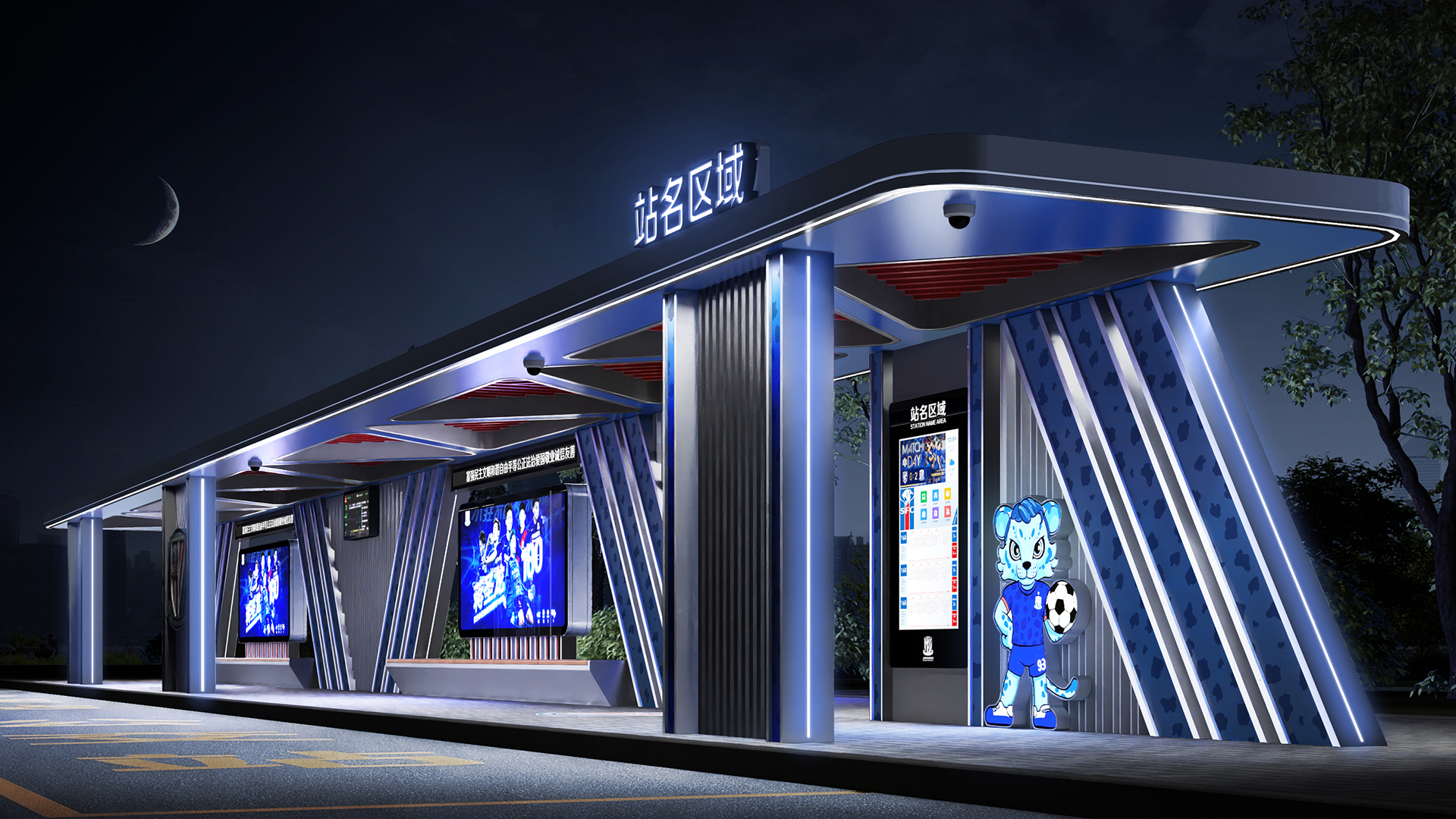
A traditional bus shelter provides basic functions: protection from weather, seating, and a place to wait. Intelligent bus shelter systems build upon these core functions by integrating digital infrastructure and smart technologies to offer value far beyond physical protection. These shelters serve as interactive nodes that facilitate information exchange, enhance safety, and contribute to data-driven urban management.
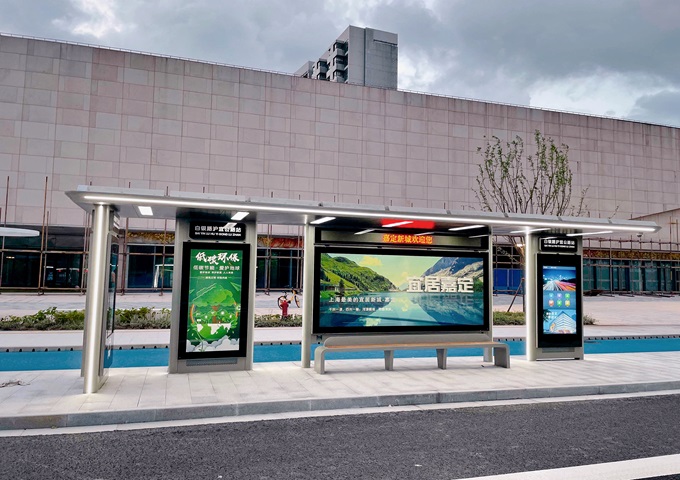
Intelligent shelters typically include digital displays, communication modules, connectivity interfaces (such as Wi-Fi), environmental sensors, lighting systems, and sometimes even charging stations. When connected to central data systems, these technologies enable a dynamic, adaptive infrastructure that responds to the real-time needs of urban life.
Key Components of Intelligent Bus Shelters
At the heart of intelligent bus shelter systems are several technological layers:
Real-time information displays for schedules, alerts, and transit updates
Environmental sensors to detect air quality, temperature, and weather conditions
Connectivity elements such as Wi-Fi hotspots and USB charging ports
Smart lighting systems for safety and energy efficiency
Remote monitoring and control systems for maintenance and operations
Together, these components create a more interactive, informative, and responsive transit environment for users.
Enhancing Commuter Experience with Real-Time Information
The Power of Immediate Transit Data
Commuters today expect real-time transit information. Delays, route changes, and arrival times are no longer passenger inconveniences — they are fundamental components of user experience. Intelligent bus shelter systems leverage GPS and centralized transit databases to deliver up-to-date information directly at the shelter.
Digital displays, often LED or LCD panels, can show:
This immediate access to relevant data reduces uncertainty and enhances commuter satisfaction.
Integration with Mobile and City Systems
Many intelligent shelters are designed to work in tandem with smartphone apps and city transit systems. For example, shelter displays can mirror information that commuters receive on mobile devices, or provide QR codes that link to mobile journey planners. When integrated with broader city data platforms, these systems contribute to a seamless commuter experience across multiple touchpoints.
Safety and Security Features
Lighting and Visibility
Safety is a top priority in urban transit infrastructure. Intelligent bus shelter systems incorporate smart lighting that can adapt to ambient conditions. Bright, well-placed lights improve visibility at night, reduce the risk of accidents, and create a sense of security for commuters.
Some systems also feature motion-activated lighting that brightens when passengers approach, conserving energy while ensuring adequate illumination when needed.
Surveillance and Emergency Communication
Advanced shelters may also include integrated surveillance cameras, panic buttons, or emergency communication modules. These features allow commuters to interact with transit authorities or emergency services directly from the shelter if necessary, and help city administrators monitor usage or security risks remotely.
Remote monitoring of shelter health — including lighting, display operation, and sensor status — enables timely maintenance, keeping systems operational and safe.
Environmental Monitoring and Smart City Integration
Air Quality and Environmental Sensors
Intelligent bus shelters frequently integrate environmental sensors that monitor air quality, temperature, humidity, and noise levels. These measurements can be displayed publicly or sent to central city systems for broader environmental analysis.
For example, air quality indexes captured at bus shelters can contribute to urban pollution tracking, helping authorities make informed decisions about traffic restrictions, green zones, or public health advisories.
Data-Driven Urban Insights
Collecting data from dispersed shelters creates a distributed network of sensor nodes across the city. This data can inform urban planners on everything from microclimate behavior to commuter density patterns. When integrated into a smart city platform, bus shelter sensors become more than convenience features — they become tools for data-driven governance and planning.
Connectivity and Commuter Convenience
Wi-Fi and Charging Accessibility
In many cities, intelligent bus shelters serve as connectivity hubs by offering public Wi-Fi and charging stations. This not only improves passenger comfort during waiting times but also supports wider digital inclusion goals.
Free Wi-Fi at transit nodes allows commuters to access journey planning apps, check email, or even work while waiting, creating a more productive and pleasant public transport experience.
Integration with Mobile Services
Connectivity in these systems goes beyond Wi-Fi. Intelligent shelters can push notifications, route alerts, or service changes to connected mobile devices. By linking shelter technology with commuter apps, transit authorities can tailor information delivery to individual journeys.
This ecosystem of devices and platforms helps blend physical infrastructure with digital services.
Energy Efficiency and Sustainable Operation
Solar Power and Renewable Integration
Many modern intelligent bus shelter systems incorporate renewable energy sources such as solar panels. Solar-powered lighting and displays reduce dependency on grid electricity and lower operating costs. In off-grid locations, solar solutions enable the deployment of intelligent features without extensive electrical infrastructure.
Energy-Efficient Hardware
LED lighting, low-power digital displays, and efficient sensor modules reduce energy consumption. Combined with adaptive controls — like light dimming based on usage or ambient conditions — these technologies contribute to a lower carbon footprint and more sustainable urban infrastructure.
Some systems even incorporate battery storage solutions to ensure system operation during grid outages or peak demand.
Design Considerations for Urban Environments
Accessibility and Inclusive Design
Intelligent bus shelters must be designed with accessibility in mind. Universal design principles ensure that all users, including seniors and people with disabilities, can access shelter features comfortably. Level pathways, appropriate seating, and accessible controls are critical components of inclusive design.
An intelligent shelter can also integrate tactile surfaces, voice-enabled information, or large-print displays to assist individuals with sensory challenges.
Aesthetics and Urban Identity
Bus shelters are more than functional installations — they are part of the city’s visual identity. Thoughtful design blends technology with aesthetic harmony, ensuring shelters complement city streetscapes rather than distract from them.
Materials, form factors, and lighting design must balance modern technological needs with timeless architectural appeal.
Scalability and Future-Proofing
Modular Design for Evolving Needs
Cities are dynamic, and intelligent infrastructure must accommodate changing demands. Modular design principles allow bus shelter systems to evolve. For example, a basic shelter with lighting and seating can be upgraded with digital screens, environmental sensors, or power modules as city budgets or technological needs expand.
This scalability protects long-term investments and supports gradual implementation without disruptive overhauls.
Interoperability with Smart City Platforms
Intelligent bus shelter systems today are expected to interoperate with broader smart city platforms. Open standards and secure data protocols ensure that information — from transit times to environmental data — can be shared across agency systems, enhancing operational efficiency and analytical potential.
Interoperability also allows for the integration of new technologies, such as 5G connectivity, edge computing, or advanced AI-driven analytics.
The Role of Maintenance and Remote Management
Remote Diagnostics and Alerts
Monitoring the health of distributed infrastructure is a challenge. Intelligent bus shelter systems can self-report operational health, alerting maintenance teams when lighting fails, sensors malfunction, or network connectivity drops. This remote diagnostics capability reduces downtime and ensures consistent service to the public.
Proactive Maintenance Strategies
Predictive analytics can forecast when components will require service based on usage patterns, environmental conditions, or performance metrics. Proactive maintenance reduces unexpected failures and extends the life of electronic and mechanical components.
For example, fan mechanisms in climate-controlled shelters, LED lifespan tracking, and solar battery health monitoring can be integrated into remote operations dashboards used by city authorities.
Real-World Case Studies and Trends
Global Deployments and Lessons
Several cities worldwide have adopted intelligent bus shelter systems as part of urban modernization. These deployments reveal common benefits:
Reduced perceived wait times due to real-time information access
Increased public transit usage through improved comfort
Better environmental monitoring contributing to air quality policies
These case studies demonstrate that intelligent infrastructure not only enhances the travel experience but also supports broader city management goals.
Emerging Trends in Transit Infrastructure
Looking forward, trends such as integrated payment systems at shelters, AI chatbots for passenger assistance, and advanced environmental controls (like localized microclimate adjustments) are gaining traction.
As smart cities evolve, bus shelter systems are becoming integral nodes of urban interconnectivity — offering both practical services and communal value.
Conclusion
Intelligent bus shelter systems represent a convergence of technology, urban planning, and user-centric design. By integrating real-time information displays, environmental sensing, connectivity features, and energy-efficient mechanisms, modern shelters empower cities to provide better transit experiences while contributing to broader smart city goals.
From the perspective of Shanghai Zemso Urban Furniture Technology Co., Ltd., these systems are not just functional components of public transport — they are strategic assets that enhance safety, convenience, sustainability, and community engagement in urban environments. For city planners, transit authorities, and infrastructure developers seeking advanced solutions that support smart city ambitions, Shanghai Zemso offers comprehensive expertise and customizable systems tailored to modern needs.
FAQ
Q: What makes a bus shelter “intelligent”?
A: An intelligent bus shelter incorporates digital technologies such as real-time information displays, environmental sensors, connectivity (like Wi-Fi), and remote monitoring — creating interactive, data-driven infrastructure rather than just a physical waiting space.
Q: How do intelligent bus shelters improve commuter experience?
A: They provide real-time transit updates, connectivity (Wi-Fi), safe lighting, environmental data, and sometimes charging stations, which reduce uncertainty, enhance comfort, and support productivity while waiting.
Q: Can intelligent bus shelters contribute to sustainability?
A: Yes. Features like solar-powered lighting, energy-efficient LED systems, and integrated environmental sensors help reduce energy consumption and support sustainable city operations.
Q: Are intelligent bus shelter systems compatible with smart city platforms?
A: Most modern systems are designed with interoperability in mind, using open data standards and connectivity protocols to integrate with broader smart city infrastructure and data platforms.


