Contents
Introduction
What Makes a Smart Bus Shelter?
The Role of Smart Bus Shelters in Sustainable Urban Mobility
Environmental Benefits of Smart Bus Shelters
Technological Integration in Smart Bus Shelters
Smart Bus Shelters and Their Contribution to Green Cities
Challenges in Implementing Smart Bus Shelters
Future Trends in Sustainable Urban Mobility
Conclusion
FAQ
Introduction
As cities worldwide continue to expand, the challenge of creating sustainable urban environments has become increasingly important. One area where significant advancements are being made is in urban mobility. Public transportation systems, especially bus networks, are a crucial part of any city's infrastructure. In recent years, "smart bus shelters" have emerged as a key solution in driving more sustainable urban mobility and contributing to the development of green cities.
Smart bus shelters are not just about offering passengers protection from the elements—they are powerful hubs of technology that enhance the efficiency and sustainability of urban transportation. By integrating renewable energy, real-time data, and advanced technology, smart bus shelters are helping to reduce the environmental impact of public transit while improving the overall passenger experience. In this article, we will explore how these smart structures are transforming urban mobility and contributing to the creation of greener cities.
What Makes a Smart Bus Shelter?
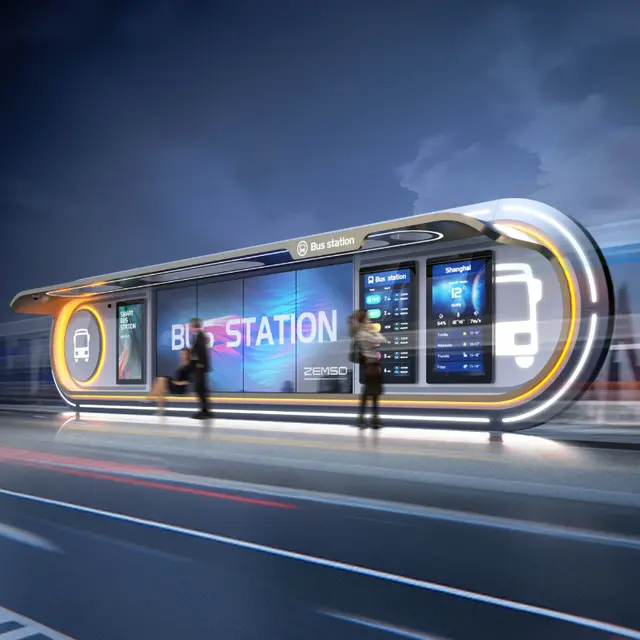
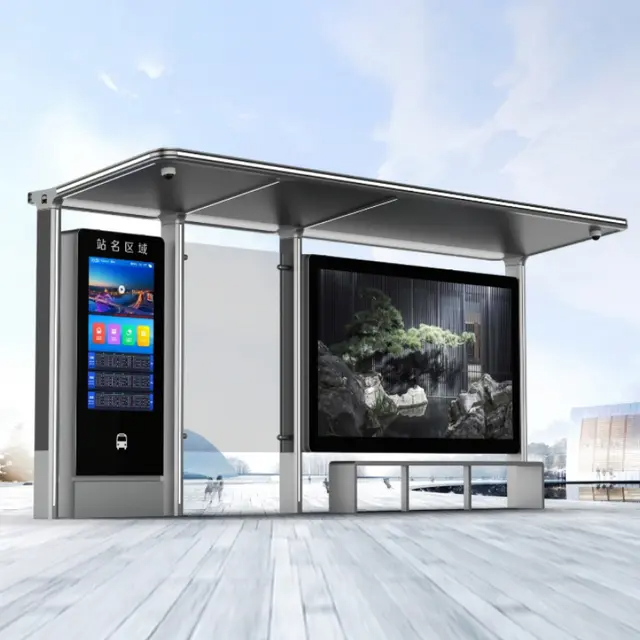
A smart bus shelter is more than just a place to wait for a bus—it is a multifunctional, technologically advanced structure designed to improve both the efficiency and sustainability of public transportation. These shelters incorporate a range of features that benefit passengers, transportation systems, and the environment. Key features of a smart bus shelter include:
Solar Panels: Many smart bus shelters are equipped with solar panels that generate clean, renewable energy. This energy can power lighting, Wi-Fi, charging stations, and other electronic systems within the shelter, reducing reliance on the city’s electrical grid.
Real-Time Data Displays: Digital screens that show real-time bus schedules and passenger information are standard in smart bus shelters. These systems help passengers plan their trips more efficiently, reducing waiting times and congestion at bus stops.
Sustainable Materials: Smart shelters are often built using eco-friendly materials, such as recycled metals, bamboo, or sustainable composites, reducing their carbon footprint during production and construction.
Wi-Fi and Charging Stations: Offering free Wi-Fi and charging points for passengers ensures a comfortable wait while also promoting digital inclusion and connectivity.
Energy-Efficient Lighting: LED lighting, often powered by solar energy, ensures that the shelter is well-lit at night without consuming large amounts of electricity.
By combining these technological innovations, smart bus shelters help create more sustainable urban environments while enhancing the daily commute for city dwellers.
The Role of Smart Bus Shelters in Sustainable Urban Mobility
The integration of smart bus shelters plays a pivotal role in fostering sustainable urban mobility. In the context of growing concerns about climate change, air pollution, and the need for efficient public transportation, these shelters contribute in several meaningful ways:
Promoting Public Transit Usage
Smart bus shelters are designed to make public transportation more accessible, comfortable, and user-friendly. By providing real-time updates, charging facilities, and shelter from the weather, they encourage more people to use buses instead of private cars, thus reducing traffic congestion and lowering greenhouse gas emissions.
Supporting Green Transportation Infrastructure
A well-integrated smart bus shelter can serve as a node in a larger network of green transportation infrastructure, such as electric buses, bike-sharing systems, and pedestrian walkways. This connectivity ensures a seamless and eco-friendly transportation experience for commuters.
Optimizing Traffic and Reducing Emissions
Smart bus shelters can also help reduce emissions by encouraging the use of public transport. With features such as dynamic bus scheduling based on demand, the shelters help optimize routes and minimize delays, leading to more efficient use of resources and reduced emissions from buses idling at stops.
Environmental Benefits of Smart Bus Shelters
The environmental impact of transportation is a major issue in cities, with air pollution and carbon emissions from private vehicles contributing significantly to climate change. Smart bus shelters provide several key environmental benefits:
1. Energy Efficiency
Many smart bus shelters are equipped with solar panels, reducing the need for external power sources. By utilizing solar energy, these shelters can provide power for lighting, digital screens, and other systems without taxing the local grid.
2. Reduction in Carbon Footprint
Smart shelters are constructed using sustainable materials and technologies that minimize their environmental impact. Additionally, by encouraging more people to use public transport, they indirectly contribute to reducing the carbon footprint of the overall transportation network.
3. Rainwater Harvesting and Green Design
Some smart bus shelters feature systems for collecting and storing rainwater, which can then be used to irrigate surrounding plants or for other sustainable purposes. The incorporation of greenery into the design, such as green roofs or walls, also helps improve air quality and promote biodiversity in urban spaces.
4. Smart Waste Management
Certain smart bus shelters include waste management systems that help reduce litter and encourage recycling. These systems can include bins with sensors to notify city services when they are full, ensuring that waste is collected in a timely and efficient manner.
5. Reduced Urban Heat Island Effect
By incorporating green elements like plants or green roofs, smart shelters help reduce the urban heat island effect, where cities become significantly warmer than surrounding areas due to the concentration of buildings and pavement. This cooling effect helps to improve overall urban climate resilience.
Technological Integration in Smart Bus Shelters
Technology plays a critical role in the functionality and efficiency of smart bus shelters. Several key technological innovations have been incorporated into these shelters to improve both the experience for passengers and the operational efficiency of the transportation network.
Real-Time Passenger Information
Real-time information about bus arrival times, delays, and route changes allows passengers to plan their journeys more efficiently. This information can be accessed via digital displays or mobile apps, minimizing the time spent waiting at bus stops.
Internet of Things (IoT) Integration
By integrating IoT technology, smart bus shelters can monitor various environmental parameters, such as air quality, temperature, and humidity. These sensors can help city planners monitor the impact of weather conditions on public transportation and make adjustments as needed.
Mobile Connectivity
Smart bus shelters often offer free Wi-Fi and charging stations, ensuring that passengers can stay connected during their wait. This is particularly beneficial for commuters who rely on their mobile devices for navigation, entertainment, or work.
Data-Driven Analytics
The data collected from smart bus shelters can be used for urban planning and transportation optimization. For example, analyzing bus usage patterns can help city officials adjust routes and schedules to better meet the needs of the community.
Smart Bus Shelters and Their Contribution to Green Cities
Smart bus shelters are integral components of green cities. These shelters, when properly integrated into urban planning, offer several advantages that contribute to a city's sustainability efforts:
Enhancing Urban Livability
By incorporating smart technologies and green design elements, these shelters improve the quality of life in urban areas. They offer safe, comfortable, and environmentally friendly spaces for people to wait for public transport, which can encourage more sustainable commuting behaviors.
Promoting a Shift to Sustainable Transport
As cities strive to reduce their carbon footprint, promoting public transportation is essential. Smart bus shelters contribute to this effort by making buses a more appealing option compared to driving personal vehicles. The convenience and comfort provided by these shelters can lead to a reduction in car usage, which ultimately helps reduce traffic congestion and emissions.
Aiding in the Transition to Electric Buses
In many cities, smart bus shelters are designed to accommodate electric buses, which are more environmentally friendly than traditional diesel-powered buses. By incorporating charging infrastructure and sustainable design, these shelters support the transition to cleaner transportation options.
Smart Mobility as a Service (MaaS)
Smart bus shelters can be part of a larger Smart Mobility as a Service (MaaS) network, where various forms of transportation, including buses, electric bikes, and car-sharing services, are integrated into a single, seamless system. This approach makes it easier for city residents to access multiple modes of transport in a sustainable way.
Challenges in Implementing Smart Bus Shelters
While smart bus shelters offer significant benefits, there are challenges to their widespread implementation:
1. High Initial Costs
The installation of smart bus shelters requires significant upfront investment in technology, infrastructure, and design. Cities with limited budgets may find it challenging to adopt these solutions on a large scale.
2. Maintenance and Upkeep
Smart bus shelters require ongoing maintenance, including the repair of digital screens, solar panels, and other technology. Ensuring that these shelters remain functional over time requires a dedicated budget for regular maintenance.
3. Integration with Existing Infrastructure
In cities with older transportation infrastructure, integrating smart bus shelters can be difficult. The infrastructure may need to be upgraded to accommodate new technologies, which can be time-consuming and costly.
Future Trends in Sustainable Urban Mobility
As cities continue to grow and evolve, the future of urban mobility will likely involve an increased reliance on sustainable transportation options. In this context, smart bus shelters are expected to become even more advanced, incorporating cutting-edge technologies like autonomous vehicles, advanced data analytics, and artificial intelligence to improve urban mobility and sustainability.
1. Integration with Autonomous Vehicles
In the future, smart bus shelters could serve as hubs for autonomous vehicles, where passengers can seamlessly transition from self-driving cars to buses or bikes, creating a fully integrated, sustainable transportation network.
2. Enhanced User Experience
As technology advances, we can expect smarter and more personalized features within smart bus shelters, such as AI-driven predictive analytics for bus arrival times and customizable environments based on individual preferences.
3. Climate Resilient Urban Planning
Smart shelters may play a larger role in climate-resilient cities by integrating features such as energy-efficient cooling systems, flood-resistant structures, and adaptable designs to cope with climate change challenges.
Conclusion
Smart bus shelters are a key component in the evolution of sustainable urban mobility. By integrating advanced technology, renewable energy, and environmentally friendly design, these shelters not only improve the passenger experience but also contribute to the creation of greener, more livable cities. As cities around the world continue to face environmental and mobility challenges, the adoption of smart bus shelters will be an important step toward achieving a more sustainable urban future.
FAQ
1. What is a smart bus shelter?
A smart bus shelter is a technologically advanced bus stop designed to enhance the public transportation experience by integrating features such as solar panels, real-time information, Wi-Fi, and energy-efficient systems.
2. How do smart bus shelters contribute to sustainability?
Smart bus shelters contribute to sustainability by reducing energy consumption through solar power, encouraging public transportation use to decrease carbon emissions, and using eco-friendly materials in their construction.
3. What are the main benefits of using smart bus shelters?
The main benefits include increased convenience for passengers, reduced environmental impact, better integration with smart city infrastructure, and improved operational efficiency for urban transportation networks.
4. Are smart bus shelters expensive to implement?
While the initial installation costs can be high due to the advanced technology and infrastructure required, the long-term benefits in terms of sustainability, efficiency, and reduced environmental impact make them a valuable investment.
5. How do smart bus shelters fit into the future of urban mobility?
In the future, smart bus shelters will become integral parts of broader smart city initiatives, integrating with electric and autonomous vehicles, enhancing user experiences, and supporting climate-resilient urban mobility systems.


