

Author: Admin Publish Time: 08-05-2026 Origin: Site
A bus shelter can do more than block rain, and a bench can do more than provide a place to sit. Once these street objects can send data, receive updates, or connect with city systems, they become part of a wider digital network that supports real-time urban services.
The real value of smart city furniture lies in how that connection works. Understanding the path from physical equipment to connectivity, city platforms, and public services helps planners and buyers make better decisions about connected street furniture and smart urban infrastructure.
A bench must still be comfortable enough to sit on. A bus shelter must still protect passengers from sun, rain, or wind, and a public sign still needs to be clear and easy to see. Adding electronics does not remove these basic design duties. In good smart city furniture, digital functions support the physical purpose instead of competing with it.
The need for connectivity appears when the object depends on information or control from somewhere else. A transit display may need current arrival data. A public information screen may need a new emergency notice, while a maintenance team may want to know that a device has stopped working without visiting the site. Sensors can also send selected readings into a wider monitoring system when that data has a clear use.
Connected physical devices and digital systems can support services such as transportation, infrastructure management, and emergency response. The useful part of the connection is therefore not the technology itself, but what the city can do with the information moving through it.
For city managers and project buyers, the best starting question is not, “How many smart features can this object have?” It is, “What service needs to work here?” That change in thinking keeps a smart city furniture project tied to an actual public or operating need.
A transit team, for example, may need information on a screen to change throughout the day. A facilities team may need remote equipment status. Emergency staff may need a way to send a message to several public locations at once. Each case leads to different needs for data, power, control, and network access.
The same rule also helps prevent unnecessary data collection. If nobody knows who will use a sensor reading or what decision it will support, collecting it adds complexity without a clear service. Digital urban systems work best when connectivity, data management, and public services are planned together rather than treated as separate technology projects.
Every connected object needs energy for its digital parts and some form of local control. The controller is the part that coordinates devices such as screens, lights, sensors, speakers, or communication modules. It can also allow basic functions to continue at the site instead of depending on a remote system for every small action.
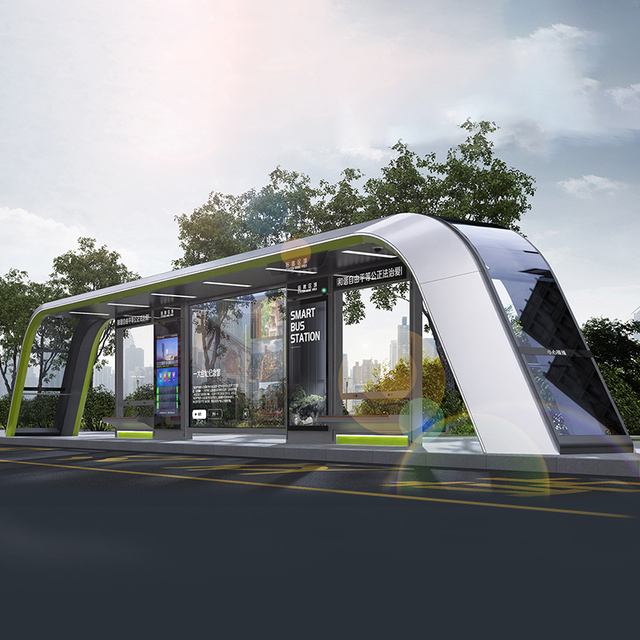
Shanghai Zemso Urban Furniture Technology Co., Ltd. offers a practical example with its ZEMSO-HCT-0001 smart bus shelter. The system combines centralized management with distributed local control and supports OTA, or over-the-air, upgrades. This type of arrangement gives the shelter a way to coordinate several digital modules while maintaining local operating capability.
That example shows why the controller sits between the physical object and the network. Connected street furniture needs more than an internet link. It also needs a clear way to manage the parts installed at the site.
Sensors give IoT street furniture a way to detect conditions instead of simply waiting for commands. Depending on the project, they may help answer questions such as whether equipment is operating, how a space is being used, or what an environmental condition is at that location. The important point is not the number of sensors installed but whether their information has a job to do.
Some data may be checked or handled locally before it is sent to another system. This can reduce unnecessary communication and allow certain functions to keep working even if a remote service is not immediately available. Physical devices, software, networks, and human operators therefore need to function as parts of one system rather than as unrelated components.
For planners, that means sensors should be selected after the service has been defined. Adding every available sensor can increase power demand, maintenance work, data storage, and security requirements without improving the public result.
Once the device has something useful to send or receive, it needs a communication path. That path may use wired or wireless networks depending on the site, coverage, distance, power supply, and amount of data involved. Its basic job is simple: carry status reports, sensor readings, public content, and control commands between the street object and another system.
The ZEMSO-ZY-0017 solar bench provides a compact example of this connection layer. It can be configured with NB and LoRa communication modules, while an RS485-3 interface supports system integration. Municipal or solar power can be used, showing how power planning and communications can meet inside one piece of networked public space furniture.
Software connections matter as well. An API is simply a defined way for one software system to exchange information with another. Open and documented interfaces can make smart city furniture easier to connect with other systems rather than leaving each installation as a separate digital island.
This ability of different systems to exchange and use information is known as interoperability. Without common integration points, connected devices can form isolated groups that are difficult to manage or expand across a city. Interoperability becomes especially important when many different public assets need to share data or services.
Physical Street Object → Power and Controller → Sensors or Inputs → Network Connection → City System

Once connected street furniture is online, information can travel from the street into a management platform. Imagine a device recording its power status or detecting that a component is not working. Its local controller prepares that information, the network carries it away from the site, and a platform receives it.
A city platform does not need to sound complicated. In this context, it is simply a place where information from several connected assets can be collected, viewed, managed, or passed to another system. A well-planned platform can help route and combine information so that it reaches the team or service that can use it.
The data path might therefore look like this:
1. The street device records a useful event or condition.
2. Local control prepares the information.
3. The network carries it to the relevant system.
4. The platform stores, displays, combines, or forwards it.
5. A person or another software service can respond.
Possible information includes equipment health, power status, passenger-flow data, or selected environmental readings when the required sensors are installed. The purpose should be defined before collection starts. Connected urban devices create more value when their data supports a clear task, decision, or public service rather than being collected simply because it is available.
The flow is not only from the street to the city. A useful smart urban infrastructure network can also carry information in the opposite direction. A transit, public-information, or management system may create an update and send it through the platform to the correct field device.
That update could change route information, display a public notice, replace scheduled content, install software, or issue a maintenance command. This two-way flow is what allows digital street assets to respond to changing conditions instead of showing the same information until someone visits them in person.
Shanghai ZEMSO digital signage provides a useful example of this direction of communication. Its connected signage systems can support centralized management, remote monitoring, OTA upgrades, and standardized interfaces for integration with external systems. A public-facing display can therefore act as an endpoint for information and management commands coming from a wider digital network.
Street Furniture → Connectivity → City Platform → Public Service
Most residents do not care which communication protocol carries a message to a bus stop. They care whether the information they need appears at the right place and time. This is where smart city furniture moves from technical infrastructure to something people can actually use.
A passenger may see a current transit update while waiting. A visitor may get new directions after a route changes. During an emergency, a public display or speaker may carry information directly into a street, park, or transit area instead of relying only on personal phones. These services turn the physical location itself into an access point for useful information.
That public location can matter for inclusion too. A person does not always need to own the right app, know which website to open, or have enough phone battery to receive basic information from networked public space furniture. Reliable connectivity, interoperability, cybersecurity, and accessible service design all influence whether these systems work well for the people who use them.
Some of the value of IoT street furniture is less visible. An operations team may be able to check whether a field device is online, identify a fault, change digital content, or update software without sending staff to every location. These actions happen behind the public service, but they can affect how dependable that service feels.
Remote management does not eliminate maintenance. Screens still need cleaning, structures still face weather and wear, batteries age, and network problems can occur. Connectivity simply gives operators another way to see what is happening and, in some cases, respond sooner.
This is why operations should be treated as part of the service design rather than as a separate issue after installation. Interoperable devices and manageable digital systems can simplify maintenance, upgrades, and long-term operation. For smart city furniture, a useful digital feature only keeps its value if someone can keep it working.
A public service can look very simple from the outside while relying on several layers behind it. Consider a solar bench that provides charging or can broadcast an information message. The user sees a bench and a service, but the full system may include solar generation, battery storage, local controls, communication modules, and a speaker.
The ZEMSO-ZY-0006 from Shanghai ZEMSO is one example. It combines an 80W solar power system and energy storage with optional NB and LoRa communication modules. TTS support and an integrated speaker can also support information or emergency broadcasts, bringing power, connectivity, control, and a public-facing service into one street object.
This is a useful way to think about smart city furniture as a whole. Residents should not need to understand the network stack, control system, or power design. They should simply receive a service that works when and where they need it.
Street furniture becomes part of an urban digital network when it can move useful information between the street, city systems, and the people who depend on them. For planners, the goal is not to add more technology, but to build connected street furniture that supports clear services, manageable data flows, reliable operation, and long-term maintenance.
Shanghai Zemso Urban Furniture Technology Co., Ltd. offers smart bus shelters, digital signage, and solar benches within this wider smart urban infrastructure approach. Used well, these tools can help cities deliver clearer information, faster updates, and more responsive public spaces.


